

Finding jewelry that stays brilliant through everyday wear can feel like an endless search. For many American women, investing in luxury accessories means wanting them to last and look flawless. Rhodium plating stands out as a solution, delivering unmatched shine and exceptional durability thanks to its microscopic layer of rare platinum group metal. This article breaks down what makes rhodium plating a game-changer for preserving your favorite pieces, separates myth from reality, and helps you make informed choices for your jewelry collection.
Table of Contents
- Rhodium Plating Explained And Common Myths
- Types Of Rhodium Plating For Fine Jewelry
- Electroplating Process And Key Features
- Major Benefits For Luxury Jewelry Wearers
- Risks, Costs, And Maintenance Essentials
- Comparing Rhodium Plating To Alternatives
Key Takeaways
| Point | Details |
|---|---|
| Rhodium Plating Benefits | Enhances jewelry brilliance, durability, and hypoallergenic properties, extending the lifecycle of precious pieces. |
| Maintenance Requirements | Professional re-plating is recommended every 12-18 months to maintain appearance and protection. |
| Common Misconceptions | Rhodium plating is not permanent; its longevity depends on factors like wear frequency and care practices. |
| Comparison with Alternatives | Rhodium offers superior brightness and scratch resistance compared to other plating options, though at a higher cost. |
Rhodium plating explained and common myths
Rhodium plating is a sophisticated jewelry finishing technique that transforms the appearance and durability of precious metal accessories. This specialized process involves electroplating a thin layer of rhodium, a rare and highly reflective platinum group metal, onto jewelry surfaces to enhance their shine and protect against wear.
The rhodium plating process works by applying an ultra-thin coating of rhodium—typically 0.75 to 1.0 microns thick—directly onto base metals like white gold, silver, or platinum. This microscopic layer creates several significant benefits:
- Enhanced Brilliance: Produces an incredibly bright, mirror-like reflective surface
- Increased Durability: Provides a harder protective shell against scratches and tarnishing
- Corrosion Resistance: Prevents oxidation and maintains the jewelry’s pristine appearance
- Hypoallergenic Properties: Reduces potential skin irritation from underlying metal allergies
Many jewelry enthusiasts misunderstand rhodium plating, believing it’s a permanent solution for their accessories. The reality is that metal purity fundamentally impacts how long the rhodium coating will maintain its original luster. Rhodium plating typically lasts between 12-24 months, depending on wear frequency and individual maintenance practices.
Common myths about rhodium plating often stem from misconceptions about its permanence and application. While some believe rhodium can completely transform low-quality jewelry, the underlying metal’s quality remains crucial. Rhodium merely enhances the surface but cannot fundamentally change the base metal’s structural integrity.
Pro tip: Have your rhodium-plated jewelry professionally inspected annually to assess potential re-plating needs and maintain its optimal appearance.
Types of rhodium plating for fine jewelry
Rhodium plating offers several specialized variations designed to meet different aesthetic and functional requirements for fine jewelry. Rhodium and its alternatives provide jewelry designers and manufacturers multiple options for enhancing metal surfaces with unique characteristics.
The primary types of rhodium plating include:
- Bright White Rhodium: The most common variant, creating an ultra-reflective, brilliant white finish typically used on white gold and platinum jewelry
- Black Rhodium: An alloy featuring dark pigmentation, offering a contemporary, edgy aesthetic for modern jewelry designs
- Rhodium-Ruthenium Alloy: Provides enhanced durability and slightly different metallic tone compared to pure rhodium
- Rhodium-Platinum Composite: Offers superior longevity and additional structural integrity
Each rhodium plating type serves a specific purpose in jewelry manufacturing. Bright white rhodium remains the most popular, delivering an incredibly luminous surface that makes diamonds and gemstones appear more brilliant. Black rhodium, by contrast, appeals to designers seeking dramatic, unconventional finishes that stand out from traditional jewelry aesthetics.
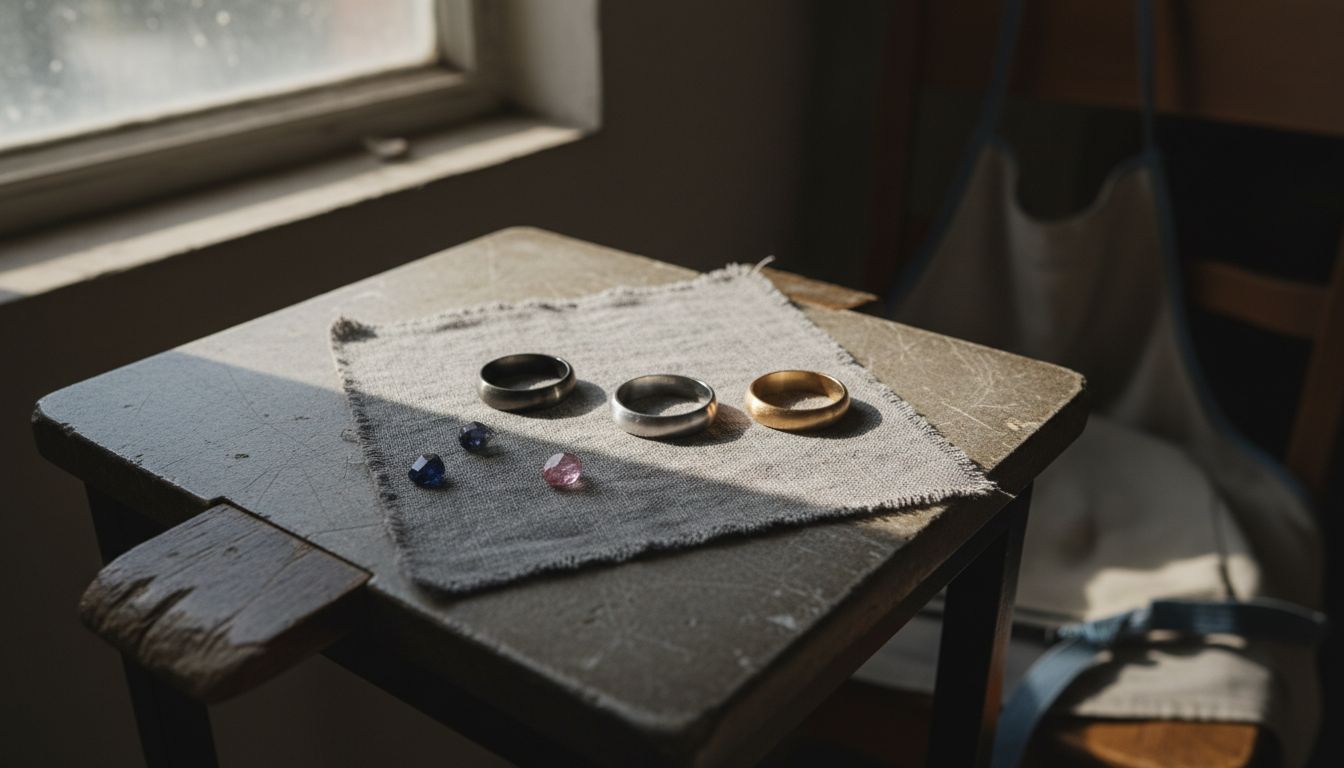
Here’s a quick comparison of rhodium plating types and their ideal applications:
| Plating Type | Appearance | Typical Application | Notable Benefit |
|---|---|---|---|
| Bright White Rhodium | Brilliant, high reflectivity | White gold, platinum jewelry | Maximizes gemstone sparkle |
| Black Rhodium | Dark, modern sheen | Statement and designer pieces | Bold, contemporary finish |
| Rhodium-Ruthenium Alloy | Slightly muted white | Pieces needing extra toughness | Improved scratch resistance |
| Rhodium-Platinum Composite | Subtle platinum undertone | Everyday luxury jewelry | Enhanced longevity |
Industrial techniques for rhodium plating have evolved significantly, allowing for more precise application and customization. Modern electroplating technologies enable jewelers to apply extremely thin yet uniform coatings—typically ranging from 0.5 to 1.5 microns—that enhance both appearance and protective qualities without adding substantial weight to the piece.
Rhodium plating is not just about aesthetics, but also about protecting the underlying metal and extending the jewelry’s functional lifespan.
Pro tip: Request a professional assessment of your specific rhodium plating needs, as different jewelry styles and metals may require unique plating approaches.
Electroplating process and key features
Rhodium electroplating is a sophisticated manufacturing technique that transforms jewelry surfaces through precision metal deposition. Rhodium electroplating standards reveal a complex process involving carefully controlled industrial parameters that ensure exceptional coating quality.
The electroplating process involves several critical technical components:
- Electrolyte Bath: A specialized acidic solution containing dissolved rhodium compounds
- Electrical Current: Precisely regulated to control metal deposition rate and thickness
- Temperature Control: Maintained between 40-45°C for optimal coating performance
- Substrate Preparation: Thorough cleaning and surface conditioning before plating
The technical mechanics of rhodium electroplating are intricate. Electrical current density plays a crucial role in determining coating characteristics, with optimal settings preventing potential defects like cracking or uneven distribution. Most high-quality rhodium platings range between 0.05 to 0.5 microns in thickness—an incredibly thin yet transformative layer.
Industrial electrolyte compositions typically utilize rhodium sulfate concentrations around 100 g/l, with plating times approximately 3 minutes to achieve consistent, high-quality results. The process requires exceptional precision, as even minor variations in current, temperature, or chemical concentration can significantly impact the final coating’s appearance and durability.
Rhodium electroplating is a delicate balance of chemistry, electrical engineering, and metallurgical expertise.
Pro tip: Always consult professional electroplating specialists who can recommend the most appropriate rhodium plating technique for your specific jewelry piece.
Major benefits for luxury jewelry wearers
Rhodium plating represents a transformative solution for discerning jewelry enthusiasts seeking to elevate their most cherished accessories. For women who invest in high-quality pieces, the benefits extend far beyond simple aesthetic enhancement, offering comprehensive protection and longevity for their most treasured jewelry collections.
The primary advantages of rhodium plating include:
-
Enhanced Brilliance: Creates an incredibly reflective, mirror-like surface that makes gemstones appear more vibrant
-
Superior Durability: Provides a protective layer that resists scratches, tarnishing, and everyday wear
-
Hypoallergenic Protection: Reduces skin irritation by creating a barrier between sensitive skin and potentially reactive base metals
-
Extended Jewelry Lifespan: Significantly increases the longevity of precious metal pieces
Unlike traditional polishing or maintenance techniques, rhodium plating offers a comprehensive solution for preserving jewelry’s original luster. The microscopic coating acts as a shield, protecting underlying metals from oxidation, environmental damage, and daily wear-and-tear. This means your favorite white gold engagement ring or platinum necklace can maintain its pristine appearance for significantly longer periods.
For luxury jewelry wearers, rhodium plating represents an investment in preservation. The ultra-thin layer—typically 0.75 to 1.0 microns thick—creates a virtually invisible protective barrier that maintains the piece’s original design while dramatically improving its resilience. Women who frequently wear their jewelry can enjoy peace of mind knowing their valuable pieces are protected against potential damage.
Rhodium plating transforms jewelry maintenance from a reactive to a proactive approach, preserving beauty and value.
Pro tip: Schedule professional rhodium re-plating every 12-18 months to maintain your jewelry’s optimal shine and protective qualities.
Risks, costs, and maintenance essentials
Rhodium plating represents a sophisticated yet complex jewelry enhancement technique with specific considerations for luxury accessory owners. Rhodium plating risks and maintenance reveal critical factors that every discerning jewelry owner should understand before investing in this specialized treatment.
Key risks and potential challenges include:
- Adhesion Problems: Potential for uneven coating or peeling if surface preparation is inadequate
- High Material Costs: Rhodium’s rarity makes the plating process expensive
- Temporary Protection: Thin coating will gradually wear off with regular use
- Precision Requirements: Demands expert application for optimal results
The financial investment in rhodium plating varies significantly, typically ranging from $50 to $250 per piece depending on the jewelry’s complexity, size, and current condition. Most high-end pieces require professional reapplication every 12-18 months to maintain their original brilliance and protective qualities. This recurring cost is an important consideration for budget-conscious jewelry enthusiasts.
Maintenance is crucial for preserving rhodium-plated jewelry. Owners should avoid harsh chemicals, abrasive cleaning materials, and excessive exposure to extreme temperatures. Gentle cleaning with soft cloths, minimal handling, and professional periodic inspections can dramatically extend the life of the rhodium coating.
The following table summarizes key maintenance strategies and their impact on rhodium-plated jewelry lifespan:
| Maintenance Action | Description | Benefit to Jewelry |
|---|---|---|
| Annual Professional Check | Inspection by a jeweler and possible re-plate | Maintains luster and protection |
| Gentle Cleaning | Use of soft cloth, no abrasives | Prevents premature wear |
| Careful Storage | Individual pouches, no metal contact | Reduces scratching risk |
| Avoiding Harsh Chemicals | No exposure to cleaning agents or chlorine | Protects from corrosion |
Rhodium plating is an investment in beauty, requiring thoughtful care and realistic expectations about its longevity.
Pro tip: Store rhodium-plated jewelry in soft, individual cloth pouches and avoid contact with other metal pieces to minimize unnecessary wear.
Comparing rhodium plating to alternatives
Rhodium plating stands out among jewelry finishing techniques, but understanding its alternatives is crucial for making informed decisions about metal treatments. Rhodium and alternative coatings reveal a complex landscape of metal finishing options with unique characteristics and trade-offs.
Key alternative metal plating options include:
- Rhodium-Ruthenium Alloy: Offers comparable brightness with reduced material costs
- Black Rhodium: Provides a distinctive dark finish for contemporary design aesthetics
- Rhodium-Platinum Composite: Enhances durability and structural integrity
- Silver Plating: More affordable but significantly less resistant to wear
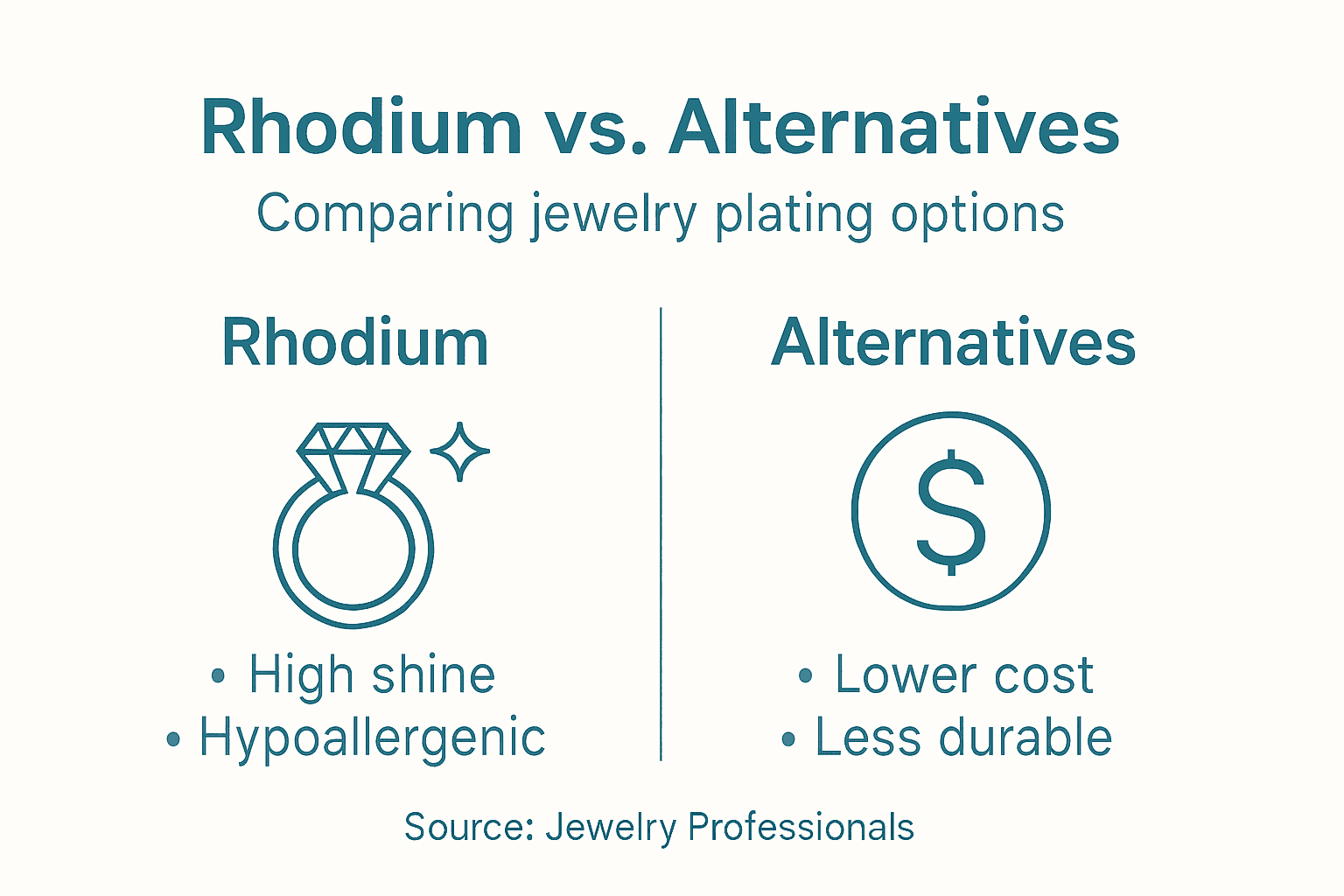
When comparing these alternatives, rhodium remains superior in several critical aspects. Its unparalleled brightness, exceptional scratch resistance, and hypoallergenic properties set it apart from other metal treatments. However, the higher cost and shorter lifespan mean that jewelry owners must carefully consider their specific needs and budget.
Recent metallurgical studies demonstrate that rhodium-ruthenium and rhodium-platinum alloy coatings can provide remarkable performance characteristics. These advanced alternatives match pure rhodium in whiteness, sulfur resistance, and wear protection—often at a more accessible price point. The strategic use of intermediate layers like palladium or ruthenium further enhances the coating’s overall performance.
Not all metal platings are created equal—each offers a unique balance of aesthetics, durability, and cost.
Pro tip: Consult a professional jeweler to assess which metal plating best suits your specific jewelry piece and lifestyle requirements.
Elevate Your Jewelry with Lasting Shine and Protection
Rhodium plating offers unmatched brilliance and durability but requires expert application and ongoing care to maintain your treasured pieces. At Malibu Vibes Jewelry, we understand the challenge of preserving precious metals while ensuring your jewelry remains stunning day after day. Our handcrafted collections leverage premium materials like 14k gold and sterling silver, designed to complement the radiant benefits of rhodium plating discussed in this article. Enjoy jewelry that is crafted for longevity and beauty without compromise.

Discover how you can experience the enhanced shine and scratch resistance of fine rhodium-plated jewelry with Malibu Vibes Jewelry. Explore our curated selection and find the perfect piece that combines craftsmanship, durability, and style. Visit Malibu Vibes Jewelry to shop now and enjoy exclusive promotions that make luxury accessible. Protect your jewelry investment today by choosing quality that lasts.
Frequently Asked Questions
What is rhodium plating and how does it enhance jewelry?
Rhodium plating is an electroplating process that applies a thin layer of rhodium, a rare metal, onto jewelry to enhance its shine, provide a hard protective shell against scratches, and improve its durability against tarnishing.
How long does rhodium plating last on jewelry?
Rhodium plating typically lasts between 12 to 24 months depending on the frequency of wear and individual maintenance practices. It is important to have jewelry professionally inspected and potentially re-plated annually to maintain its appearance.
Are there different types of rhodium plating?
Yes, there are several types of rhodium plating such as bright white rhodium for a brilliant finish, black rhodium for a contemporary look, rhodium-ruthenium alloy for enhanced durability, and rhodium-platinum composite for superior longevity.
How should I care for rhodium-plated jewelry?
To maintain rhodium-plated jewelry, avoid harsh chemicals and abrasive materials, clean gently with a soft cloth, and store pieces separately in soft pouches. Annual professional inspections and periodic re-plating help extend the life of the coating.
Recommended
- What is Gold Plating? Understanding This Jewelry Process – Malibu Vibes Jewelry
- Explore the World of Precious Metals in Jewelry – Malibu Vibes Jewelry
- Why Does Jewelry Tarnish? Complete Guide to Causes – Malibu Vibes Jewelry
- Understanding What is Gold Vermeil for Jewelry Lovers – Malibu Vibes Jewelry
- 7 Expert Men’s Clothing Care Tips for a Lasting Wardrobe – Vellure Homme