

Staring at your left hand, you might wonder why that sparkling ring holds such powerful meaning. The tradition of engagement rings began in Ancient Rome, where a ring given by a fiancé was more than just a symbol of love—it marked a formal commitment. Today, couples across the United States still seek out rings that embody not just enduring beauty, but also handcrafted quality and authentic craftsmanship. This article uncovers why traditional styles captivate modern couples and how history shapes the rings that herald your future together.
Table of Contents
- Traditional Engagement Rings: Definitions And History
- Popular Styles And Symbolism Explained
- Materials, Craftsmanship, And Key Features
- Costs, Value Factors, And Common Pitfalls
- Comparing Alternatives And Modern Trends
Key Takeaways
| Point | Details |
|---|---|
| Symbol of Commitment | Traditional engagement rings represent a promise of marriage, worn on the left hand’s fourth finger, symbolizing deep emotional significance between couples. |
| Historical Evolution | Engagement ring styles have transformed through history, with significant changes in design reflecting cultural values from ancient times to the modern era. |
| Core Characteristics Today | Modern traditional engagement rings typically feature diamond settings, classic metal choices, and timeless designs that emphasize craftsmanship and durability. |
| Emerging Trends | Couples increasingly embrace colored gemstones, lab-grown diamonds, and personalized designs to reflect their individual values and aesthetics. |
Traditional Engagement Rings: Definitions and History
A traditional engagement ring is a symbol of commitment given during a marriage proposal, typically worn on the fourth finger of the left hand. The ring represents a promise of future marriage and carries deep emotional significance for couples.
The history of engagement rings stretches back further than most people realize. Engagement ring traditions originated in ancient Rome, where rings symbolized binding betrothal agreements. Roman brides actually received two rings: a gold one for public wear and an iron one for household duties. This dual-ring system reflected both the formal commitment and practical aspects of marriage.
The left-hand wearing custom has an interesting origin. Ancient Romans believed a vein ran directly from the ring finger to the heart, which they called the “vena amoris” or vein of love. While anatomically inaccurate, this romantic belief shaped jewelry traditions for centuries.
The Evolution Through History
Engagement ring styles transformed dramatically across different eras:
- Medieval and Renaissance periods: Rings featured elaborate designs with gemstones and precious metals, reflecting wealth and status.
- Victorian era (1837-1901): Ornate posey rings became popular, featuring floral designs and intricate detailing.
- Edwardian period (1901-1910): Filigree work and lace-like designs dominated, emphasizing delicate craftsmanship.
- Modern era (1940s-present): Diamond-centered designs became the standard, especially after influential marketing campaigns.
The Diamond Engagement Ring Revolution
The first recorded diamond engagement ring dates to 1477, when Archduke Maximilian of Austria gave one to Mary of Burgundy. However, diamonds didn’t become the standard until the 20th century.
In 1947, a major marketing campaign forever changed engagement ring culture. De Beers promoted the diamond as the ultimate symbol of eternal love, making it accessible and desirable to everyday couples. This campaign successfully cemented diamonds as the engagement ring stone of choice globally.
Defining Traditional Engagement Rings Today
In contemporary terms, traditional engagement rings feature these core characteristics:
- Solitaire or multi-stone diamond settings
- Classic metal choices: 14k gold, platinum, or sterling silver
- Timeless designs that transcend seasonal trends
- Emphasis on quality craftsmanship and durability
- Rings designed to pair with matching wedding bands
A traditional engagement ring represents not just a gemstone, but centuries of commitment, craftsmanship, and personal promise between two people.
Understanding these definitions helps you recognize why traditional styles endure. They carry historical weight and emotional meaning that modern couples still value today.
Pro tip: When shopping for traditional engagement rings, research the specific era or style that resonates with your personal taste—Victorian romanticism, Art Deco geometry, or classic solitaire elegance—since each period offers distinct design characteristics that define what “traditional” means to you.
Popular Styles and Symbolism Explained
Engagement ring styles tell a story about what matters most to you and your partner. Each design choice carries meaning—from the cut of the stone to the metal band itself.
Classic Diamond Cuts and Their Appeal
Diamond cuts dominate traditional engagement ring choices for good reason. Round brilliant diamonds remain the most popular choice, valued for their sparkle and versatility. Beyond round brilliants, several other cuts offer distinct aesthetics:
- Princess cut: Sharp, geometric lines create a modern square shape with exceptional light return
- Emerald cut: Elongated step facets provide understated elegance and clarity
- Oval cut: Elongated shape maximizes carat weight appearance while maintaining brilliance
- Cushion cut: Increasingly trendy, this softer square offers vintage charm with contemporary appeal
Each cut reflects different personality traits and style preferences. Sharp cuts appeal to modernists, while softer cuts attract those drawn to romantic aesthetics.
To better understand popular engagement ring choices, here’s a comparison of classic diamond cuts and colored gemstone options:
| Cut/Gemstone | Visual Style | Symbolic Meaning | Popular Personality Match |
|---|---|---|---|
| Round Brilliant | Maximum sparkle | Wholeness & eternity | Traditional & versatile |
| Princess Cut | Modern, angular | Modern love & strength | Trendy, bold tastes |
| Emerald Cut | Art Deco elegance | Clarity & truth | Sophisticated & classic |
| Sapphire (Gem) | Rich, deep blue | Loyalty & wisdom | Values symbolism |
| Ruby (Gem) | Vibrant red | Passionate love | Bold & expressive |
| Moissanite (Gem) | Diamond-like fire | Brilliance & value | Ethical-minded couples |
The Symbolism Behind Diamond Engagement Rings
Diamonds symbolize more than just status or expense. Diamonds represent durability, strength, and eternal commitment—qualities that resonate deeply with engaged couples. The gemstone’s unbreakable nature mirrors the permanence couples hope for in marriage.
This powerful symbolism wasn’t always mainstream. The association between diamonds and eternal love became cemented through cultural messaging in the mid-20th century, reshaping global expectations around engagement rings.
Beyond Diamonds: Colored Gemstones
Traditional doesn’t mean you’re limited to diamonds. Colored gemstones like sapphires and rubies carry rich symbolic meaning, with sapphires representing loyalty and rubies symbolizing passionate love. These alternatives offer personal expression while maintaining classic elegance.
Vintage-inspired designs featuring colored stones have gained significant popularity among couples seeking uniqueness within tradition.
Design Motifs and Hidden Meanings
The specific design elements embedded in ring bands communicate subtle messages. Look for these common symbolic motifs:
- Floral patterns: Romance, beauty, and natural growth
- Infinity knots: Eternal connection and unbreakable bonds
- Heart shapes: Direct expression of romantic love
- Celtic knots: Enduring partnership and interconnection
- Filigree work: Intricate craftsmanship reflecting effort invested in the relationship
Victorian-era designs emphasized floral and nature-inspired elements, reflecting romantic ideals of that period. Edwardian styles featured delicate lacework symbolizing refined elegance. Modern designs often blend historical references with contemporary minimalism.
The style you choose becomes part of your love story—a visible declaration of what your relationship means to you both.
Finding Your Personal Style
Your ring style should align with how you see yourselves as a couple. Consider whether you’re drawn to ornate details or clean lines, vintage inspiration or modern minimalism. The right choice feels authentic to your relationship, not what trends dictate.
Pro tip: Try on rings from different eras and styles even if you think you know what you want—you might discover unexpected designs that resonate more deeply when you see them on your hand.
Materials, Craftsmanship, and Key Features
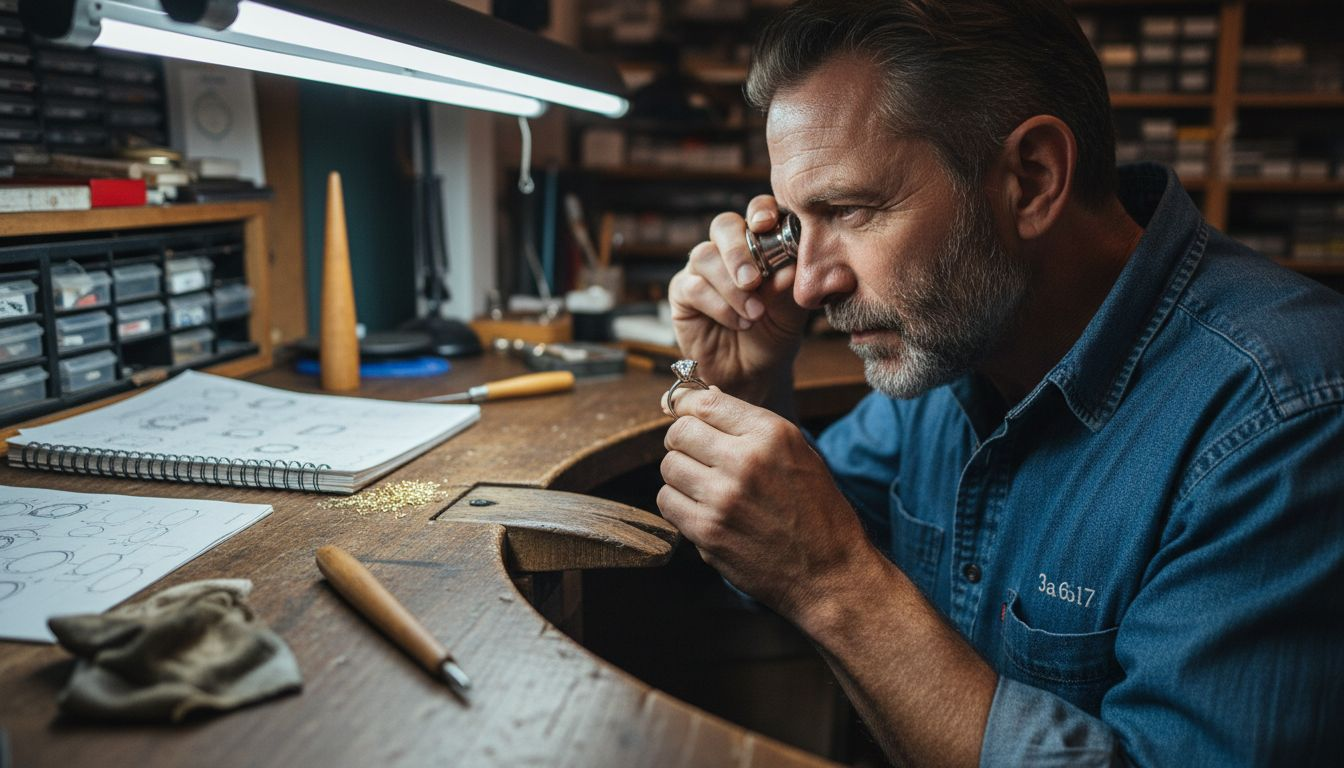
Traditional engagement rings combine precious metals with carefully selected gemstones, creating pieces that balance beauty with durability. Understanding the materials and construction methods helps you appreciate quality and make informed choices.
Precious Metals for Engagement Rings
Common metals for engagement rings include 14K and 18K gold, platinum, and alternatives like palladium. Each metal offers distinct advantages and aesthetic qualities.
Yellow gold delivers classic warmth and timeless appeal. White gold provides cool, contemporary elegance. Rose gold has surged in popularity for its romantic pink hue and modern-vintage charm. Your choice affects durability, maintenance requirements, and overall cost.
Platinum stands as the premium option, offering superior durability and hypoallergenic properties. It’s heavier than gold, lending presence to the hand. Platinum requires less frequent re-plating than white gold, making it low-maintenance long-term.
Here is a summary of common engagement ring metals and their unique attributes:
| Metal Type | Color/Tone | Durability | Special Benefit |
|---|---|---|---|
| Yellow Gold | Warm yellow | Moderate | Classic, easy to resize |
| White Gold | Silvery white | Moderate | Modern look, affordable |
| Rose Gold | Pink/copper | Moderate | Romantic, vintage appeal |
| Platinum | Naturally white | Very high | Hypoallergenic, lasting shine |
| Palladium | Silvery gray | High | Lightweight, low maintenance |
Gemstone Quality and Cut
Diamonds remain the centerpiece of most traditional engagement rings, valued for their brilliance and symbolic weight. The quality of your diamond depends on four key factors:
- Cut: Determines how light reflects and sparkles through the stone
- Color: Ranges from colorless to faint yellow; colorless stones command premium prices
- Clarity: References internal inclusions; fewer inclusions mean higher quality
- Carat weight: Measures the stone’s mass; larger stones cost exponentially more
Advances in cutting techniques over centuries have enhanced a diamond’s brilliance and appeal significantly. Modern cutters leverage technology while respecting traditional proportions that maximize sparkle.
Setting Styles and Construction
The setting protects your gemstone while showcasing its beauty. Craftsmanship involves securing the stone with precision using methods like prongs, bezels, tension settings, or three-stone designs.
Prong settings grip the stone at four or six points, allowing maximum light penetration. Bezel settings surround the stone with metal, offering extra protection and a modern aesthetic. Halo settings frame the center stone with smaller diamonds, amplifying overall sparkle and perceived size.
Hand-finishing and attention to detail distinguish truly exceptional rings. Quality craftspeople polish every surface, ensure even metal thickness, and verify that settings hold stones securely without appearance of strain.
What Makes Quality Unmistakable
Exceptional engagement rings share identifiable characteristics:
- Smooth, even metal surfaces with no rough spots or file marks
- Secure gemstone settings that don’t allow movement
- Symmetrical designs with balanced proportions
- Consistent finish throughout the band and setting
- Professional hallmarks indicating metal purity
True quality in engagement rings reflects the intersection of precious materials, skilled hands, and meticulous attention—a combination you can feel and see when you hold an exceptional piece.
When shopping, examine rings under various lighting. Request detailed gemstone certifications from reputable laboratories. Ask about the jeweler’s craftsmanship process and their warranty coverage.
Pro tip: Request to see the ring’s metal purity hallmark and ask for a gemstone certification from the Gemological Institute of America (GIA) or similar trusted lab—these credentials provide transparency about what you’re purchasing and protect your investment.
Costs, Value Factors, and Common Pitfalls
Engagement ring pricing isn’t straightforward. Costs vary dramatically based on materials, design, and certification—and knowing what drives value helps you avoid overpaying for the wrong reasons.
Understanding Engagement Ring Pricing
Engagement ring costs vary widely, influenced by factors including diamond quality, metal type, design complexity, and personalization. Average budgets for engagement rings in the United States often fall under $3,000, though luxury pieces can exceed $10,000 or more.
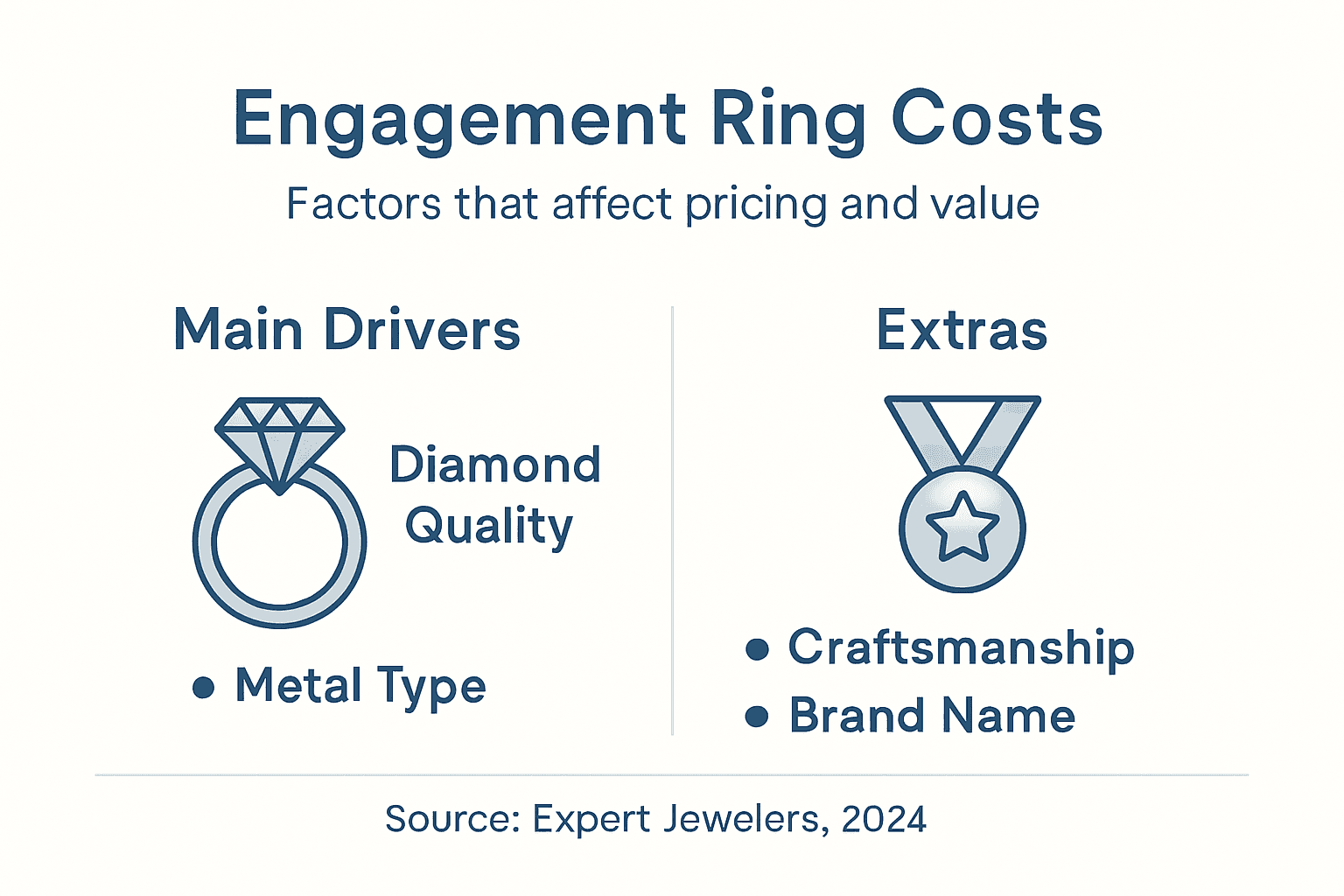
The four Cs of diamonds—cut, color, clarity, and carat—drive pricing exponentially. A one-carat diamond costs significantly more than two half-carat diamonds of similar quality. Color and clarity grades create price jumps at certain thresholds that don’t always reflect proportional quality differences.
Metal choice impacts total cost substantially. Platinum costs more than gold. Rose gold and white gold typically price similarly, though availability and craftsmanship can create variations.
Value Factors Worth Your Money
True value comes from specific, measurable qualities:
- Gemstone certification: Authenticated grading from reputable laboratories protects your investment
- Metal purity hallmarks: Ensure you’re receiving what you’re paying for
- Craftsmanship quality: Hand-finishing and attention to detail extend ring longevity
- Design timelessness: Trendy designs may feel dated quickly
- Warranty and insurance: Reputable jewelers provide coverage for repairs and replacements
Lab-grown diamonds have gained popularity for affordability and ethical reasons. They’re chemically identical to mined diamonds but cost 20-40% less. If sustainability matters to your couple, this option offers genuine value without compromising quality.
Common Pitfalls to Avoid
Many couples overpay due to marketing rather than intrinsic gem quality. Designer brand names inflate prices without improving the actual ring quality. You’re often paying for marketing campaigns, not superior craftsmanship.
Ignoring certification represents a significant risk. Without proper grading reports, you can’t verify diamond quality or identify conflict diamonds. Skipping appraisals leaves you vulnerable to underinsurance.
Another mistake: assuming bigger automatically means better. A well-cut one-carat diamond often outshines a poorly cut two-carat stone visually.
Making Smart Purchasing Decisions
Prioritize what matters most to your relationship. If sustainability resonates, explore lab-grown options. If vintage character appeals to you, consider pre-owned rings with proper certification.
Compare certified stones at multiple jewelers before committing. Request detailed gemstone reports and metal certifications. Ask questions about craftsmanship processes and warranty coverage.
Smart engagement ring shopping means focusing on intrinsic quality and authenticity rather than brand prestige or aggressive marketing—your money goes toward a ring you’ll treasure, not a marketing campaign.
Get your ring professionally appraised after purchase for insurance purposes. This protects your investment and documents baseline condition.
Pro tip: Shop with a certified jeweler who provides detailed grading reports and allows you to compare stones side-by-side under consistent lighting—this transparency makes price comparisons meaningful and prevents overpaying for qualities you can’t actually see or verify.
Comparing Alternatives and Modern Trends
Traditional engagement rings dominate, but modern couples increasingly explore options that reflect personal values and contemporary aesthetics. Understanding alternatives helps you choose what truly resonates with your relationship.
Beyond Diamonds: Gemstone Alternatives
Modern trends show rising popularity of colored gemstones such as sapphires, rubies, and moissanite as alternatives to traditional diamonds. Each option carries distinct advantages and symbolism.
Sapphires represent loyalty and wisdom, making them meaningful choices for commitment. Rubies symbolize passionate love and energy. Moissanite offers diamond-like brilliance at lower cost with superior durability. These alternatives allow personal expression while maintaining elegance and symbolic weight.
Colored gemstones create stunning visual impact and often cost significantly less than comparable diamonds. A vibrant sapphire makes a bolder statement than subtle diamond sparkle.
The Rise of Lab-Grown Diamonds
Lab-grown diamonds have fundamentally changed the engagement ring market. Chemically identical to mined diamonds, they cost 20-40% less while eliminating concerns about conflict diamonds and mining impact.
Younger buyers increasingly favor lab-grown options for ethical and environmental reasons. They offer identical durability and beauty without the premium price tag or ethical complications. Major certification labs grade them using identical standards as mined diamonds.
Vintage and Custom Design Trends
Vintage-inspired designs blend historic styles with personal expression. Art Deco geometry, Victorian romance, and Edwardian delicacy appeal to couples seeking character and uniqueness. Pre-owned rings from these eras offer authenticity and sustainability benefits.
Custom design represents another growing trend. Rather than choosing existing styles, couples collaborate with artisans to create one-of-a-kind pieces reflecting their specific vision and values.
Contemporary Aesthetic Preferences
Modern couples increasingly embrace non-traditional styles that differ from past generations:
- Minimalist bands: Clean lines and simple designs appeal to those rejecting ornamentation
- Asymmetrical settings: Off-center or unconventional stone placement creates visual interest
- Mixed metals: Combining gold, platinum, and rose gold adds complexity and personality
- Personalized engravings: Custom messages inside bands deepen emotional significance
- Colored bands: Moving beyond traditional metal colors to express individuality
These trends reflect a fundamental shift toward authenticity and individual values over adherence to tradition for tradition’s sake.
Making Your Choice
Consider what matters most to your couple. If sustainability drives your decisions, lab-grown diamonds or alternative gemstones align with those values. If vintage character appeals, explore estate jewelry. If personal expression matters most, custom design offers unlimited possibilities.
Modern engagement ring trends celebrate the idea that your ring should reflect who you are as a couple, not who tradition tells you to be.
Research options thoroughly and consult jewelers experienced with your chosen style. Don’t feel pressured to follow conventions that don’t resonate with your relationship.
Pro tip: Browse online galleries and save images of rings that genuinely appeal to you—whether traditional or contemporary—then discuss with your jeweler which elements resonate most, as this clarity helps create a design that feels authentically yours rather than a compromise.
Discover Traditional Engagement Rings That Speak to Your Love Story
Choosing a traditional engagement ring means embracing timeless symbols of commitment and craftsmanship that echo centuries of meaning. If you seek a ring that combines classic elegance with enduring quality, Malibu Vibes Jewelry offers a carefully curated collection of Diamond & Gold Rings for Women. Each piece reflects superior craftsmanship using precious metals like 14k gold and platinum, ensuring long-lasting beauty that matches the significance of your promise.
Explore rings that feature solitaire diamonds and vintage-inspired designs that honor tradition while fitting perfectly into today’s style. Shop now at Malibu Vibes Jewelry to find your perfect symbol of love. Act today to receive exclusive offers and enjoy free shipping on select pieces. Don’t wait—make this meaningful moment unforgettable with a ring crafted to last a lifetime.
For a splash of color that still holds personal symbolism, browse our selection of 14k Color Gemstone Rings and discover alternative expressions of commitment.
Frequently Asked Questions
What are the key characteristics of traditional engagement rings?
Traditional engagement rings typically feature solitaire or multi-stone diamond settings, classic metal choices like 14k gold, platinum, or sterling silver, and timeless designs that prioritize quality craftsmanship and durability.
What is the historical significance of engagement rings?
The tradition of engagement rings dates back to ancient Rome, where they symbolized binding betrothal agreements. Over centuries, the rings evolved in design and meaning, becoming a powerful symbol of commitment and love between partners.
How do I determine the quality of a diamond in an engagement ring?
The quality of a diamond is typically assessed based on the four Cs: cut, color, clarity, and carat weight. It’s important to look for certifications from reputable laboratories to ensure you’re making an informed purchase.
Are lab-grown diamonds a good alternative to traditional diamonds?
Yes, lab-grown diamonds are an excellent alternative to traditional diamonds. They are chemically identical, more affordable, and eliminate ethical concerns related to conflict diamonds, making them a popular choice among modern couples.
Recommended
- Complete Guide to the Meaning Behind Promise Rings – Malibu Vibes Jewelry
- 7 Essential Types of Engagement Rings Explained Clearly – Malibu Vibes Jewelry
- Simple Solitaire Engagement Rings: Style and Value – Malibu Vibes Jewelry
- Unique Solitaire Engagement Rings for Modern Proposals – Malibu Vibes Jewelry