

Most people think jewelry craftsmanship means simple assembly, yet only a small fraction of american jewelers master the delicate blend of technical skill and artistic vision needed for truly exceptional pieces. Discerning shoppers want more than shiny gemstones; they seek jewelry that tells a story and carries meaning. By understanding what sets authentic craftsmanship apart, you can recognize artistry that transforms ordinary materials into extraordinary wearable works.
Table of Contents
- Jewelry Craftsmanship Defined and Debunked
- Major Techniques and Styles in Craftsmanship
- Materials and Tools That Shape Quality Pieces
- Identifying Exceptional Craftsmanship in Jewelry
- Common Pitfalls and What to Avoid
Key Takeaways
| Point | Details |
|---|---|
| Jewelry Craftsmanship is an Art Form | It combines technical skill with creative vision, creating narrative-driven wearable pieces. |
| Key Techniques Enhance Craftsmanship | Mastery of methods such as metalworking, stone setting, and engraving is essential for exceptional quality. |
| Material Quality is Crucial | Selecting superior materials and using specialized tools significantly impacts the final product’s excellence. |
| Avoid Common Crafting Pitfalls | Watch out for poor material choices, inadequate design integration, and neglecting finish work to ensure strong craftsmanship. |
Jewelry Craftsmanship Defined and Debunked
Jewelry craftsmanship is far more than simply assembling metal and stones - it’s a sophisticated art form that transforms raw materials into storytelling wearable pieces. According to artjewelryforum.org, craftsmanship involves bringing materials together within a composition, constructing intricate interrelationships among parts that preserve shape while allowing artistic expression.
At its core, jewelry craftsmanship represents a delicate balance between technical skill and creative vision. Britannica traces the historical development of metalworking techniques, highlighting how artisans have evolved their methods over centuries. These techniques are not merely mechanical processes but nuanced approaches that transform raw materials into meaningful artistic statements.
Key aspects of exceptional jewelry craftsmanship include:
- Precise metalworking techniques
- Intricate gem setting and cutting
- Understanding material properties
- Harmonizing design with structural integrity
- Expressing artistic intent through technical execution
True craftsmanship goes beyond technical proficiency. It requires an intuitive understanding of how different materials interact, how light reflects off surfaces, and how subtle design choices can elevate a piece from merely decorative to genuinely extraordinary. A master craftsperson doesn’t just create jewelry - they translate emotion, narrative, and cultural significance into wearable art.
Major Techniques and Styles in Craftsmanship
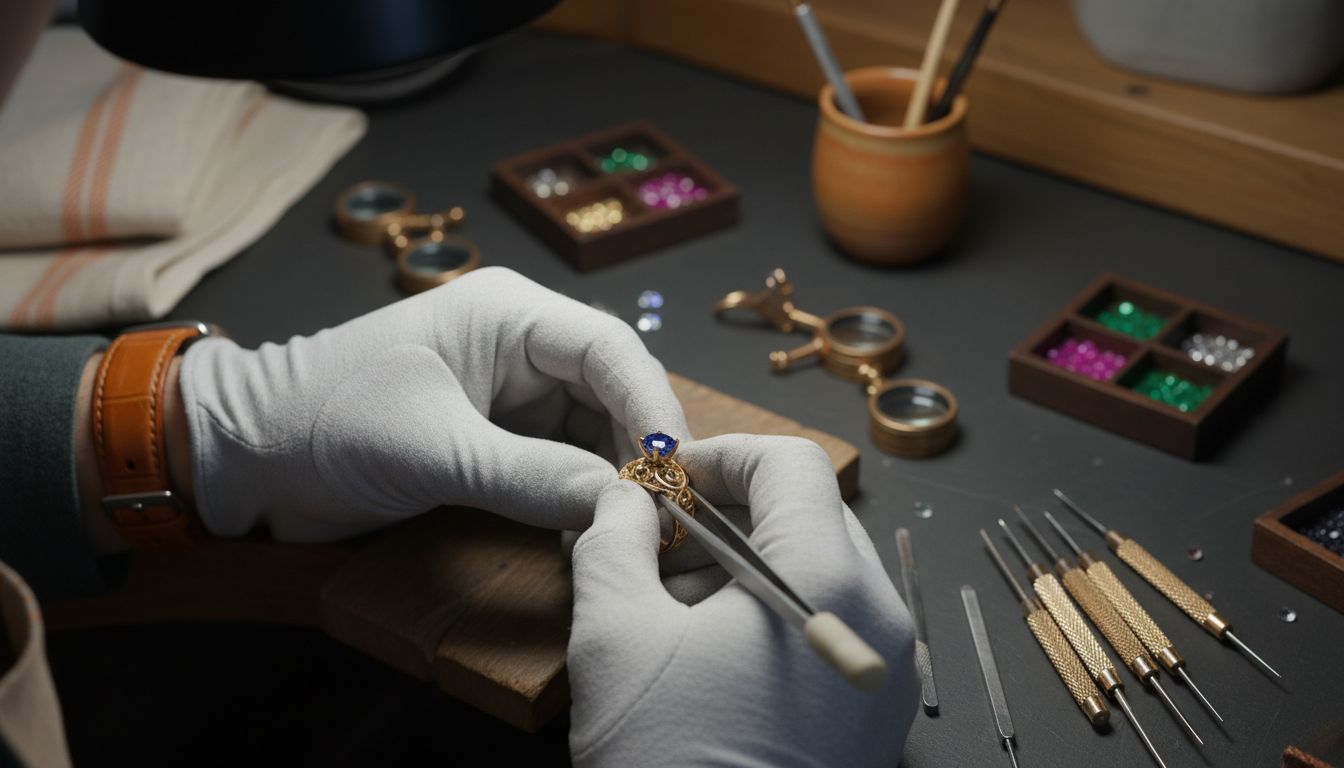
Jewelry craftsmanship encompasses a rich array of intricate techniques that transform raw materials into extraordinary artistic expressions. Wikipedia reveals the fascinating cloisonné technique, an ancient method where metal strips or wires create delicate compartments on metalwork, which are then filled with colorful enamel paste and fired, resulting in stunning, detailed designs.
Another remarkable technique is damascening, which involves inlaying different metals to create complex patterns. According to Wikipedia, this art form typically involves embedding gold or silver into a darkly oxidized steel background, producing intricate designs that resemble rich tapestry patterns. These methods demonstrate how skilled artisans can manipulate metal and create visual narratives through meticulous craftsmanship.
Key jewelry craftsmanship techniques include:
- Metalworking: Shaping and forming metals through techniques like forging, casting, and hammering
- Stone Setting: Precisely positioning gemstones to maximize their brilliance and structural integrity
- Engraving: Creating detailed surface designs and textures
- Filigree: Crafting delicate wire designs with intricate, lace-like patterns
- Enameling: Applying colored glass materials to metal surfaces
Modern jewelry craftsmanship blends traditional techniques with innovative technologies, allowing artisans to push creative boundaries while honoring centuries-old artistic traditions. Each technique requires years of practice, deep material understanding, and an almost intuitive connection between the craftsperson, their tools, and the emerging piece of wearable art.
Materials and Tools That Shape Quality Pieces
The foundation of exceptional jewelry craftsmanship lies in selecting superior materials and mastering specialized tools. Britannica reveals the intricate world of metalwork, highlighting how different metals and gemstones contribute to creating high-quality jewelry pieces. Understanding the unique properties of each material is crucial for transforming raw elements into stunning wearable art.
One fascinating technique that demonstrates the importance of materials is wire wrapping, an ancient method of jewelry creation. According to Wikipedia, this technique involves using jewelry wire and findings to create intricate components without soldering or heating, relying instead on precise mechanical connections and skillful manipulation.
Key materials and tools in jewelry craftsmanship include:
- Precious Metals: Gold, silver, platinum, each with unique characteristics
- Gemstone Tools: Precision cutting and setting instruments
- Wire Working Tools: Pliers, wire cutters, mandrels
- Finishing Tools: Polishing wheels, buffing compounds
- Measuring Instruments: Precision calipers, digital scales
The magic of jewelry craftsmanship emerges from the symbiotic relationship between an artisan’s skill and their carefully selected materials. Each tool represents a bridge between creative vision and tangible expression, transforming raw components into pieces that tell stories, evoke emotions, and capture moments of human creativity. Learn more about jewelry findings in our comprehensive guide on understanding jewelry components.
Identifying Exceptional Craftsmanship in Jewelry
Exceptional jewelry craftsmanship transcends mere technical skill, representing a profound artistic dialogue between materials and vision. Art Jewelry Forum emphasizes that true craftsmanship involves transforming thoughts and emotions into tangible design choices, where each piece tells a unique narrative through its intricate construction and intentional details.
Britannica provides critical insights into identifying superior craftsmanship through precise technical elements. Exceptional pieces demonstrate mastery through several key indicators: meticulous gem setting, precise metalwork, and thoughtful design integration that reveals the artisan’s deep understanding of materials and their potential.
Key markers of exceptional jewelry craftsmanship include:
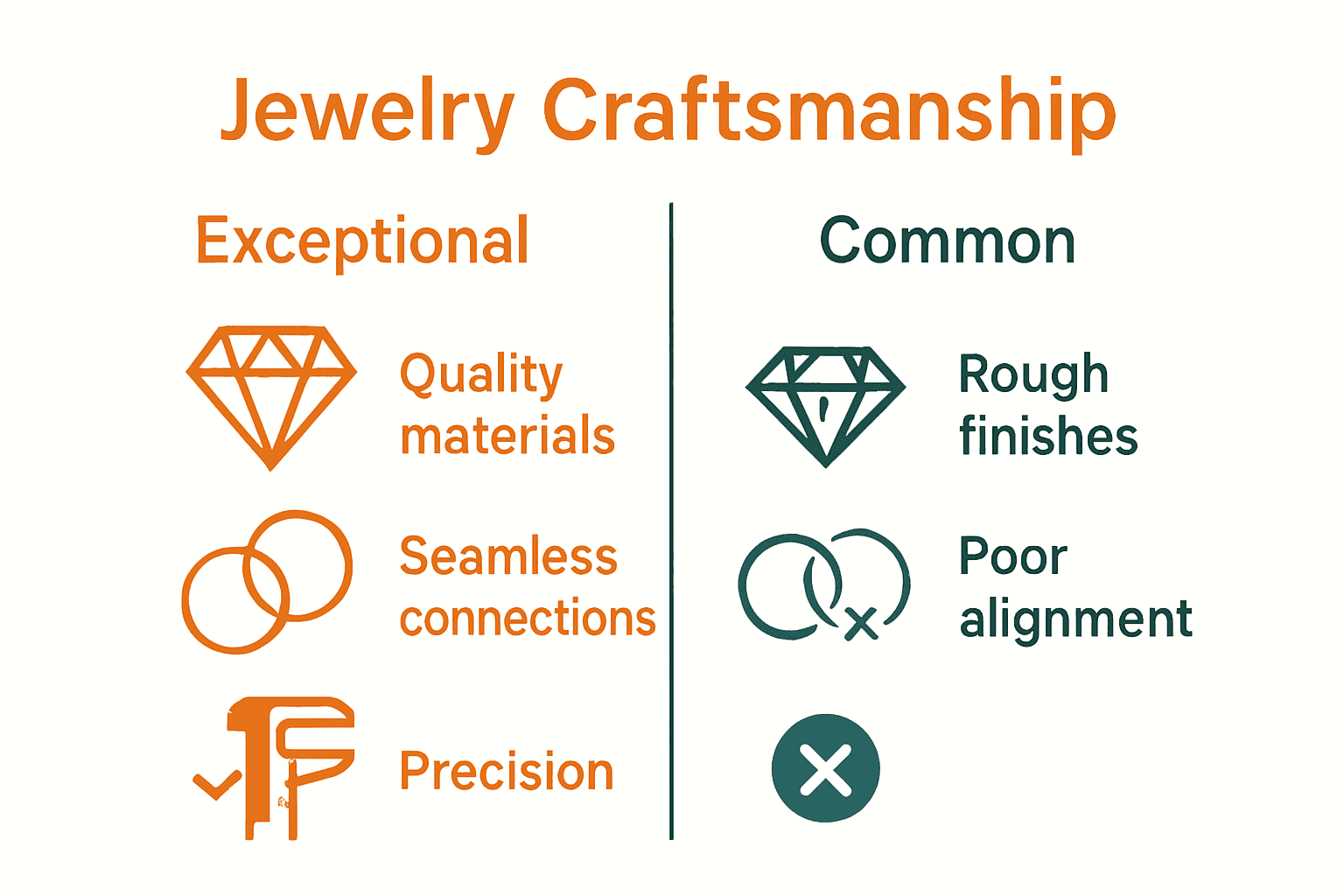
- Seamless Connections: No visible solder lines or rough transitions
- Precise Stone Alignment: Perfect symmetry and strategic placement
- Balanced Weight Distribution: Comfortable, ergonomic design
- Intricate Surface Detailing: Fine textures and deliberate surface treatments
- Material Harmony: Thoughtful combination of metals and stones
Ultimately, exceptional craftsmanship is an invisible language of skill, where technical precision meets artistic expression. Learn more about artisan jewelry techniques in our comprehensive guide on unique craftsmanship that reveals the nuanced world of jewelry making.
Common Pitfalls and What to Avoid
Art Jewelry Forum reveals that many jewelry crafting failures stem from fundamental misunderstandings about material integration and design philosophy. Artisans often fall into the trap of treating jewelry making as a purely mechanical process, neglecting the critical nuances that transform a piece from merely functional to truly extraordinary.
In the realm of wire wrapping, a delicate jewelry technique, Wikipedia highlights several critical pitfalls that can compromise a piece’s integrity. Novice craftspeople frequently make mistakes such as using inappropriate wire gauges, forming weak connections, and failing to create precise, symmetrical loops that ensure both aesthetic appeal and structural durability.
Key pitfalls in jewelry craftsmanship to avoid include:
- Inconsistent Material Quality: Using substandard metals or stones
- Poor Design Integration: Failing to create harmonious connections
- Technical Shortcuts: Compromising structural integrity for speed
- Neglecting Finish Work: Overlooking final polishing and detailing
- Ignoring Ergonomics: Creating pieces that are uncomfortable to wear
The most profound mistake in jewelry craftsmanship is viewing the process as a mechanical task rather than an artistic dialogue. True mastery requires understanding that each piece is a narrative, a conversation between material, technique, and creative vision. Explore our guide on artisan jewelry to dive deeper into craftsmanship nuances.
Discover True Craftsmanship with Malibu Vibes Jewelry
If you appreciate the artistry and detail behind exceptional jewelry craftsmanship you deserve pieces that reflect this mastery. From precise metalwork to harmonious design our collection at Malibu Vibes Jewelry showcases the perfect balance of technical skill and creative expression. Explore timeless styles with expert craftsmanship like our Bezel Jewelry that highlights meticulous stone setting and refined metalwork.

Elevate your jewelry collection with handcrafted pieces made in Los Angeles designed to tell your story. Shop now at Malibu Vibes Jewelry and experience the luxury of thoughtfully crafted fine jewelry. Don’t miss your chance to own wearable art that combines beauty durability and impeccable craftsmanship.
Frequently Asked Questions
What is jewelry craftsmanship?
Jewelry craftsmanship refers to the intricate art of transforming raw materials into wearable art through precise techniques and creative expression. It balances technical skill with artistic vision to create unique and meaningful pieces.
What are some common jewelry craftsmanship techniques?
Common techniques include metalworking, stone setting, engraving, filigree, and enameling. Each method requires specific skills and tools to produce quality jewelry.
How can I identify exceptional jewelry craftsmanship?
Exceptional craftsmanship is characterized by seamless connections, precise stone alignment, balanced weight distribution, intricate surface detailing, and material harmony. These elements indicate a high level of skill and artistry.
What are some common pitfalls to avoid in jewelry craftsmanship?
Common pitfalls include using inconsistent material quality, poor design integration, taking technical shortcuts, neglecting finish work, and ignoring ergonomics, which can compromise the integrity and aesthetic of the piece.
Recommended
- What is Artisan Jewelry? Understanding Unique Craftsmanship – Malibu Vibes Jewelry
- What is Fine Jewelry? Understanding Luxury and Craftsmanship – Malibu Vibes Jewelry
- Luxury Jewelry Explained: Key Qualities and Value – Malibu Vibes Jewelry
- What Is Designer Jewelry? Complete Luxury Guide – Malibu Vibes Jewelry