

Choosing your dream engagement ring in California can feel like a blend of excitement and endless options, especially when balancing bold style with luxury. For women who care deeply about craftsmanship and true quality, understanding the real differences between yellow and white gold is more than just about color. This guide reveals how gold alloy differences can impact everything from long-term durability to signature style, helping you make a choice that speaks to your taste and values.
Table of Contents
- What Makes Yellow and White Gold Different
- Alloy Composition and Gold Karat Differences
- Visual Appeal: Hue, Luster, and Styling
- Durability, Maintenance, and Longevity
- Cost, Value, and Popularity in 2026
- Which Is Right for Your Lifestyle and Skin
Key Takeaways
| Point | Details |
|---|---|
| Gold Composition | Yellow gold is made from pure gold combined with copper and zinc, while white gold uses nickel, palladium, or silver. |
| Maintenance Needs | White gold requires regular rhodium replating, whereas yellow gold needs occasional polishing. |
| Skin Sensitivity | Yellow gold is typically hypoallergenic in higher karats, while white gold may cause reactions due to nickel allergies. |
| Karat Levels | Lower karat gold provides more durability, while higher karat gold offers richer color and higher value. |
What Makes Yellow and White Gold Different
Gold rings are far more nuanced than most people realize. While both yellow and white gold appear similar at first glance, they actually differ significantly in their metal composition and characteristics. Gold alloy differences reveal fascinating insights into how jewelers create these stunning metals.
The primary distinction between yellow and white gold lies in their alloyed metals. Yellow gold traditionally combines pure gold with metals like copper and zinc, maintaining its signature warm, golden hue. In contrast, white gold incorporates white metals such as nickel, palladium, or silver to create its silvery appearance.
Key differences include:
- Composition of additional metals
- Surface color and finish
- Durability and maintenance requirements
- Potential for skin sensitivity
White gold undergoes an additional finishing process with rhodium plating, which gives it an ultra-bright, silvery-white appearance. This plating requires periodic re-application to maintain its pristine look, whereas yellow gold maintains its color more naturally over time.
Here’s a summary of how yellow and white gold differ in important characteristics:
| Aspect | Yellow Gold | White Gold |
|---|---|---|
| Major Alloy Metals | Copper and zinc | Nickel, palladium, or silver |
| Maintenance Frequency | Occasional polishing | Rhodium replating every 1-2 years |
| Typical Hue | Warm golden tones | Bright silvery-white |
| Common Sensitivities | Rare, especially in higher karats | Possible nickel allergies |
| Classic Use Case | Vintage-inspired and traditional styles | Modern, minimalist jewelry |
Pro tip: Always consult with a professional jeweler about the specific metal composition and maintenance requirements for your desired ring style.
Alloy Composition and Gold Karat Differences
Understanding gold purity requires diving deep into the world of metal composition and karat measurement standards. Karat represents the ratio of pure gold to other metals in an alloy, directly impacting the ring’s durability, color, and value.
Gold karats are measured on a 24-point scale, with pure gold being 24 karats. However, pure gold is too soft for everyday jewelry, which is why jewelers blend it with other metals. Common gold alloys include:
- 14k gold (58.3% pure gold)
- 18k gold (75% pure gold)
- 10k gold (41.7% pure gold)
The additional metals not only strengthen the gold but also influence its final characteristics. Copper and zinc create warmer yellow tones, while nickel and palladium produce cooler white metallic appearances. This metal mixing process allows jewelers to create diverse colors and improve the metal’s structural integrity.
Higher karat gold contains more pure gold, resulting in a richer color and higher intrinsic value.
Each karat level offers unique benefits. Lower karat gold is more durable and affordable, making it ideal for everyday wear, while higher karat gold provides a more luxurious appearance and higher gold content.
Below is an overview of gold karat levels, their pure gold content, and best uses:
| Karat Level | Gold Percentage | Color Richness | Preferred For |
|---|---|---|---|
| 10k | 41.7% | Lightest shade | High durability, daily wear |
| 14k | 58.3% | Moderate warmth | Balance value and strength |
| 18k | 75% | Deepest color | Luxury, special occasions |
Pro tip: Consider your lifestyle and budget when selecting gold karat, balancing between durability and pure gold percentage.
Visual Appeal: Hue, Luster, and Styling
When selecting a gold ring, understanding visual appeal goes far beyond mere color. Statement jewelry design plays a crucial role in how your ring communicates personal style and aesthetic preferences.
Yellow and white gold differ dramatically in their visual characteristics. Yellow gold offers a warm, traditional appearance with rich golden tones that complement skin with yellow or olive undertones. White gold, by contrast, provides a cooler, more contemporary look that beautifully complements skin with pink or cool undertones.
Key visual differences include:
- Surface reflectivity and shine
- Color temperature and undertones
- Ability to pair with other jewelry metals
- Perceived sophistication and style era
The luster of each metal type varies significantly. Yellow gold has a classic, soft gleam that catches light with a gentle warmth, while white gold delivers a more brilliant, mirror-like reflection. White gold’s rhodium plating creates an almost platinum-like brilliance that many modern jewelry lovers find irresistible.
The right metal choice can elevate a ring from beautiful to truly extraordinary.
Consider your personal style, wardrobe, and skin tone when selecting between yellow and white gold. Some individuals find yellow gold more romantic and vintage-inspired, while others prefer white gold’s sleek, contemporary aesthetic.
Pro tip: Try on rings in different metal colors to see how they interact with your unique skin tone and personal style.
Durability, Maintenance, and Longevity
Choosing between yellow and white gold involves more than aesthetic preferences – durability and maintenance are crucial considerations. White gold metal characteristics reveal fascinating insights into long-term jewelry care and performance.

Durability varies significantly between yellow and white gold. White gold typically offers superior scratch resistance due to its harder alloy metals and rhodium plating. The rhodium coating creates an additional protective layer that enhances the ring’s resilience against everyday wear and tear.
Key maintenance differences include:
- Frequency of professional polishing
- Potential for surface scratching
- Complexity of repair and restoration
- Long-term color preservation
White gold requires more specialized maintenance compared to yellow gold. The rhodium plating needs periodic reapplication every 1-2 years to maintain its brilliant shine. In contrast, yellow gold develops a natural patina over time, which many jewelry enthusiasts consider a desirable characteristic that tells a unique story of wear.
Proper maintenance can significantly extend the life of your gold ring, preserving its beauty for generations.
The metal’s composition directly impacts its longevity. Higher karat gold (18k or 24k) is softer and more prone to scratching, while lower karat options (10k or 14k) offer increased durability through additional alloy metals.
Pro tip: Schedule professional inspections every six months to assess your ring’s condition and address any potential maintenance needs before they become significant issues.
Cost, Value, and Popularity in 2026
Understanding the economic landscape of gold rings requires more than surface-level analysis. Gold metal pricing trends reveal fascinating insights into consumer preferences and market dynamics in 2026.
Market value for yellow and white gold remains remarkably consistent, with pricing primarily determined by gold purity, craftsmanship, and specific alloy compositions. The karat rating continues to be the most significant factor influencing overall cost, with 14k and 18k gold representing the most popular price points for engagement and wedding rings.
Key pricing considerations include:
- Current precious metal market rates
- Rhodium plating costs for white gold
- Complexity of ring design
- Brand reputation and craftsmanship
- Regional market variations
Popularity trends show interesting shifts in consumer preferences. Yellow gold is experiencing a nostalgic resurgence, particularly among millennials and Gen Z consumers seeking vintage-inspired designs. White gold maintains its stronghold in contemporary engagement ring styles, especially for minimalist and modern aesthetic preferences.
The true value of a gold ring extends far beyond its market price – it represents a personal story and emotional investment.
Furthermore, the global jewelry market continues to evolve, with sustainable and ethically sourced metals becoming increasingly important to conscious consumers. Both yellow and white gold offer unique value propositions that appeal to different style sensibilities and personal tastes.
Pro tip: Consider the long-term investment potential and personal significance when selecting between yellow and white gold, rather than focusing solely on current market trends.
Which Is Right for Your Lifestyle and Skin
Choosing the perfect gold ring extends far beyond aesthetic preferences – it’s about finding a metal that harmonizes with your unique lifestyle and physical characteristics. Statement jewelry choices play a critical role in expressing personal style and ensuring long-term comfort.
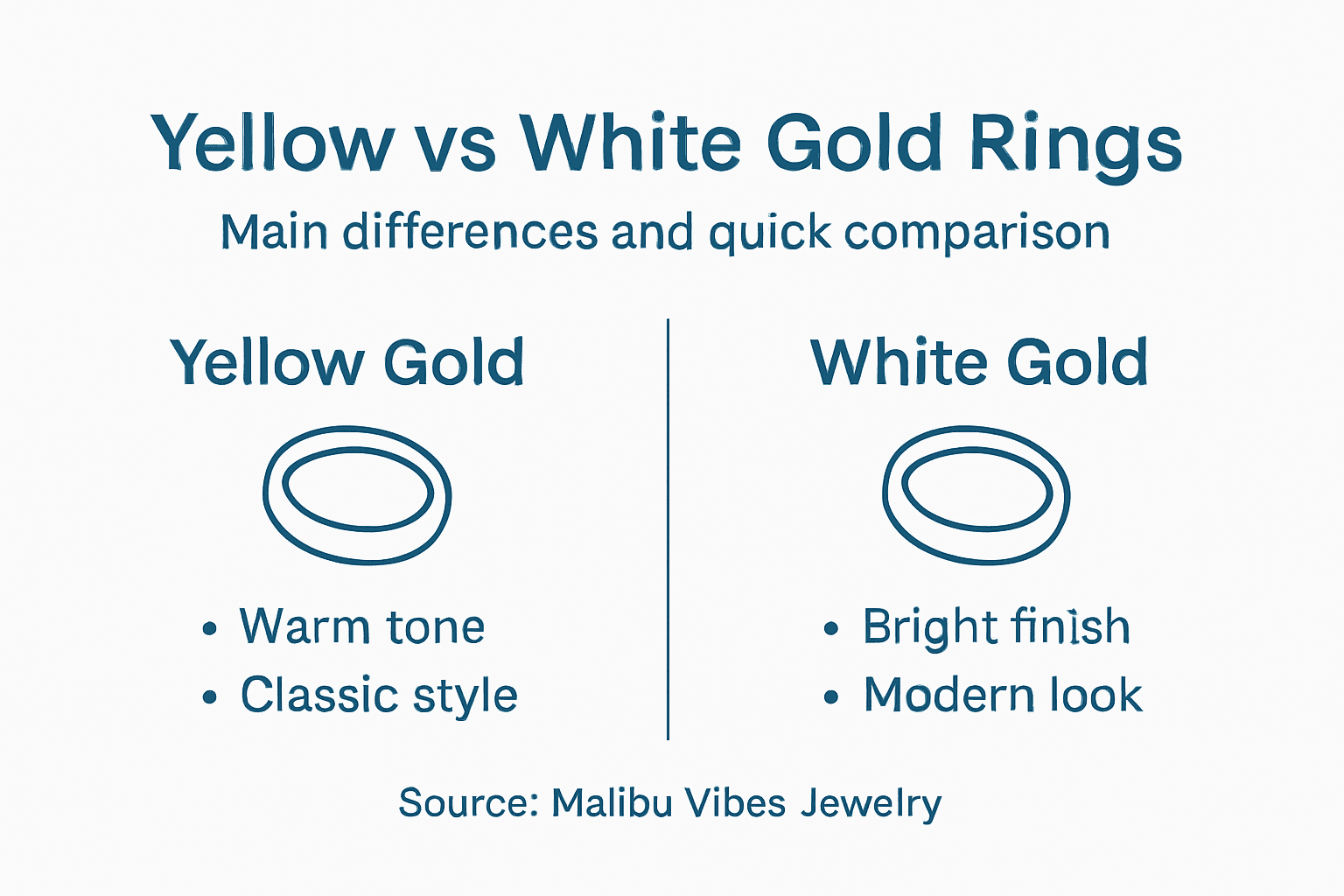
Skin tone and metal sensitivity are paramount when selecting between yellow and white gold. Individuals with warm undertones (yellow or olive skin) typically find yellow gold more complementary, while those with cool undertones (pink or fair skin) often look stunning in white gold’s silvery finish.
Key lifestyle considerations include:
- Daily physical activity levels
- Professional work environment
- Frequency of jewelry maintenance
- Potential for metal allergies
- Personal style aesthetic
White gold is ideal for active individuals due to its enhanced durability and scratch resistance from rhodium plating. However, those with nickel sensitivities should exercise caution, as many white gold alloys contain nickel, which can trigger allergic reactions. Yellow gold, being hypoallergenic in higher karats, offers a gentler alternative for those with sensitive skin.
Your ring should not just accessorize your outfit, but become an extension of your personal narrative.
Consider your daily routine and personal habits when making your selection. Professionals in hands-on industries might prefer more durable white gold, while those seeking a classic, timeless look might gravitate towards yellow gold’s traditional warmth.
Pro tip: Always request a metal allergy test before committing to a ring, especially if you have a history of skin sensitivities.
Find Your Perfect Gold Ring Match with Malibu Vibes Jewelry
Choosing between yellow and white gold can feel overwhelming when balancing factors like metal composition, durability, and skin sensitivity. Our curated Diamond & Gold Rings for Women | Stackable & Statement | Malibu Vibes – Malibu Vibes Jewelry collection simplifies your decision by showcasing expertly crafted rings in both stunning yellow and white 14k gold options. Each piece reflects superior craftsmanship from Los Angeles, designed to harmonize with your lifestyle and personal style.

Explore timeless designs that offer you the perfect balance of beauty and durability. Whether you prefer the warm glow of yellow gold or the sleek brilliance of white gold, discovering your best match is just a click away. Browse now at Malibu Vibes Jewelry and embrace a ring that tells your unique story with lasting elegance.
Frequently Asked Questions
What is the main difference between yellow gold and white gold?
The primary distinction is in their alloy composition; yellow gold is made by combining pure gold with metals like copper and zinc, while white gold incorporates metals such as nickel, palladium, or silver for a silvery appearance.
How do I maintain my white gold ring compared to my yellow gold ring?
White gold requires regular maintenance, including rhodium replating every 1-2 years to keep its shine, while yellow gold typically needs occasional polishing and develops a natural patina over time.
Is one type of gold more durable than the other?
Yes, white gold is generally more durable due to its harder alloy metals and rhodium plating, which makes it resistant to scratches. Yellow gold can be softer depending on its karat level, especially in higher karats like 18k or 24k.
Can people with sensitive skin wear white gold?
Individuals with nickel sensitivities should approach white gold with caution, as many white gold alloys contain nickel. Higher-karat yellow gold is hypoallergenic and might be a better option for those with sensitive skin.
Recommended
- Oval Blue Topaz Solitaire Ring in 14K Gold, Gemstone Engagement Ring. – Malibu Vibes Jewelry
- Complete Guide to Gold Karat Differences – Malibu Vibes Jewelry
- Elegant Gold Necklaces with a Personal Touch for Every Occasion – Malibu Vibes Jewelry
- Solitaire Ring Explained: Styles, Diamonds, and Value – Malibu Vibes Jewelry
- Gold Vermeil Ring Buying Guide: How To Choose A Ring You’ll Actually Wear Every Day - Arwa Miel