

Finding the perfect bracelet fit can be just as important as choosing the right style for your favorite piece. For many American women, a beautiful luxury bracelet only feels truly special when it sits comfortably and complements every curve of the wrist. With factors like material, clasp design, and daily wrist size changes, understanding wrist measurement gives you the confidence to select jewelry that looks and feels flawless from morning coffee to late-night plans.
Table of Contents
- What Bracelet Size Means And Why Fit Matters
- Key Bracelet Types And Their Sizing Differences
- How To Measure Your Wrist Correctly
- Standard Bracelet Size Charts Explained
- Common Mistakes And Sizing Adjustments
Key Takeaways
| Point | Details |
|---|---|
| Comfort is Key | A well-fitted bracelet should move subtly without being too tight or loose to ensure maximum comfort. |
| Consider Wrist Variations | Measure your wrist at different times of the day to account for natural size changes caused by temperature and activity. |
| Sizing Matters by Style | Different bracelet types, like bangles and chain bracelets, have unique sizing requirements that affect fit and comfort. |
| Common Sizing Mistakes | Avoid measuring too loosely and neglecting to add a comfort buffer to ensure an ideal fit for your bracelet. |
What Bracelet Size Means and Why Fit Matters
Bracelet sizing represents more than just a measurement - it’s about creating a personalized fit that enhances comfort, style, and functionality. Wrist measurement determines how a bracelet will rest, move, and ultimately feel when worn. Understanding these nuances helps you select jewelry that not only looks stunning but feels like a natural extension of your personal style.
The art of bracelet sizing involves several key considerations:
- Comfort: A well-fitted bracelet should move subtly without sliding off or feeling constricting
- Style: Proper sizing impacts how the piece drapes and complements your wrist
- Functionality: Ensuring the bracelet remains secure during daily activities
Professional jewelers recommend understanding wrist size variations that can occur due to temperature, activity level, and time of day. These fluctuations mean your ideal bracelet size might have slight flexibility to accommodate natural changes.
Measuring your wrist accurately requires attention to detail. Most professionals suggest measuring the widest part of your wrist and adding approximately half an inch to determine the perfect bracelet length. This method ensures the bracelet sits comfortably without being too tight or loose.
Fit Categories for Bracelets:
- Snug Fit: Sits close to the wrist with minimal movement
- Standard Fit: Allows slight movement without sliding excessively
- Loose Fit: Provides more space between bracelet and wrist
A perfectly sized bracelet feels like it was custom-made just for you.
Pro tip: Always measure your wrist at different times of day to account for natural size variations and choose a bracelet with slight adjustability.
Key Bracelet Types and Their Sizing Differences
Bracelets come in a fascinating array of styles, each with unique sizing considerations that impact their fit and comfort. Bracelet construction varies significantly across different materials and design approaches, making understanding these nuances crucial for selecting the perfect piece.
Primary Bracelet Types and Their Sizing Characteristics:
- Bangles: Rigid loops requiring precise hand measurements
- Chain Link Bracelets: Flexible designs with adjustable clasps
- Charm Bracelets: Typically expandable with multiple attachment points
- Cuff Bracelets: Open-ended designs with some adjustability
Metal chain bracelets offer remarkable versatility in sizing. Their construction allows for subtle adjustments through different clasp mechanisms, enabling a more personalized fit. Gemstone and bead bracelets, by contrast, rely more heavily on precise initial measurements to ensure proper draping and comfort.
The width and material of a bracelet dramatically influence its sizing requirements. Thicker bracelets need more careful measurement, while thinner designs provide more flexibility. Different material types impact bracelet sizing significantly - metal chains stretch minimally, while leather or cloth bracelets might have more give.
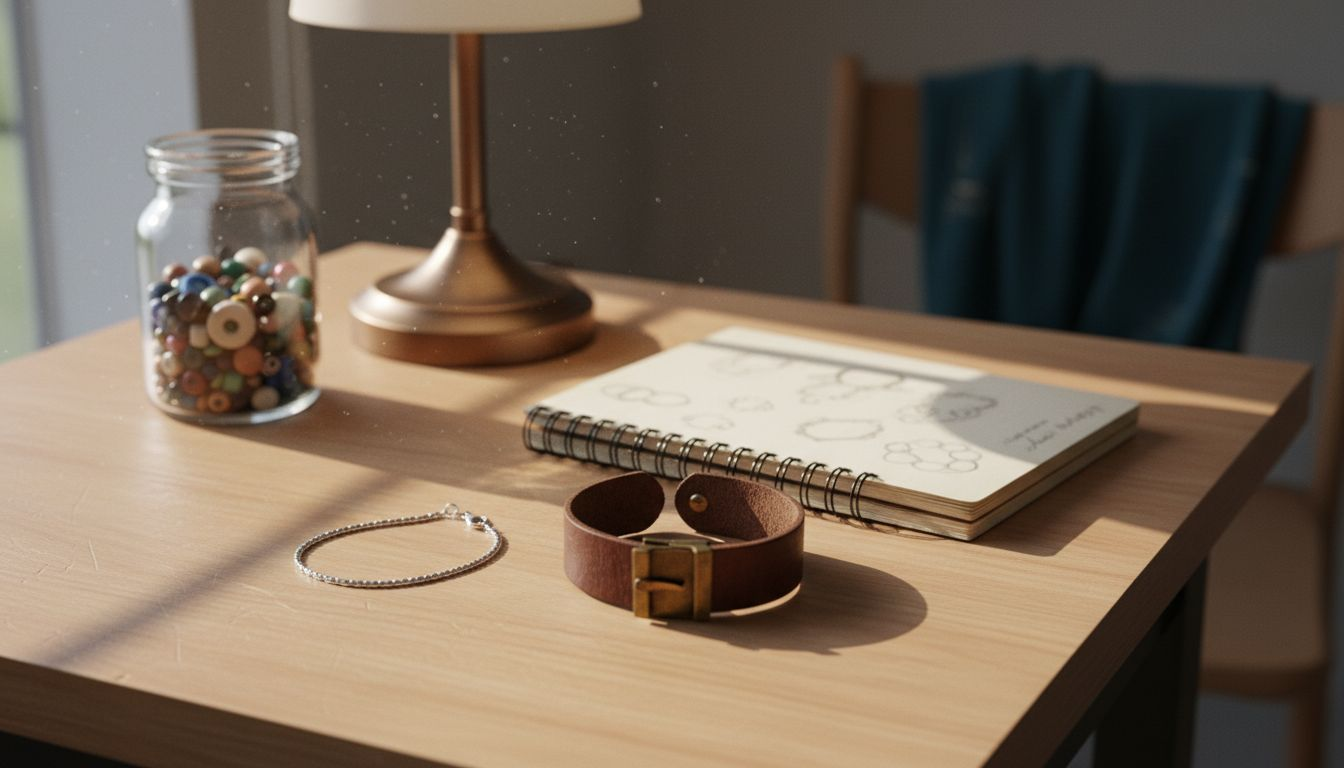
Here’s a quick comparison of how different bracelet materials affect sizing and comfort:
| Material Type | Sizing Flexibility | Comfort Level | Durability Impact |
|---|---|---|---|
| Metal (Chain/Bangle) | Minimal stretch, exact fit needed | Moderate to high | Very durable |
| Leather | Some natural give | Soft and flexible | May wear over time |
| Beaded (Elastic) | Highly adjustable | Gentle, flexible | Can lose elasticity |
| Fabric/Cloth | Most flexible | Lightweight, comfortable | Susceptible to damage |
Choosing the right bracelet is about understanding how different styles interact with your unique wrist shape.
Sizing Guidelines for Popular Bracelet Types:
- Bangles: Measure hand width at widest point
- Chain Link: Add 0.5-1 inch to wrist measurement
- Charm Bracelets: Allow extra space for charms and movement
- Cuff Bracelets: Select based on wrist diameter and desired fit
Pro tip: Always try on bracelets or use adjustable sizing options to ensure the most comfortable and flattering fit.
How to Measure Your Wrist Correctly
Accurate wrist measurement is the foundation of finding the perfect bracelet fit. Wrist circumference measurement techniques require precision and careful attention to detail to ensure your jewelry sits comfortably and looks stunning.
Essential Measurement Tools:
- Flexible measuring tape
- String or ribbon
- Ruler
- Smartphone with measurement app (optional)
The key to successful wrist measurement is understanding exactly where and how to measure. Wrap your measuring tool around the widest part of your wrist, typically just below the wrist bone. This spot represents the standard placement for most bracelets and provides the most accurate sizing reference.
Step-by-Step Measurement Process:
- Stand with your arm relaxed at your side
- Use a soft, flexible measuring tape
- Wrap tape snugly around wrist’s widest point
- Record measurement without pulling tape too tight
- Add 0.5 inches for comfortable bracelet fit
Professional jewelers recommend measuring your wrist at the end of the day when it might be slightly larger due to natural daily fluctuations.
Unique factors can influence your wrist measurement. Temperature, hydration levels, and even time of day can cause subtle changes in wrist size. Some experts suggest taking multiple measurements to ensure accuracy and consistency.
Common Measurement Mistakes to Avoid:
- Measuring too loosely
- Using a rigid measuring tool
- Forgetting to account for bracelet style
- Measuring when hands are cold
Pro tip: Measure your wrist three times and take the average for the most reliable sizing result.
Standard Bracelet Size Charts Explained
Standard bracelet size measurements provide essential guidance for finding the perfect jewelry fit. Understanding these charts helps you navigate the subtle nuances of bracelet sizing across different styles and brands.
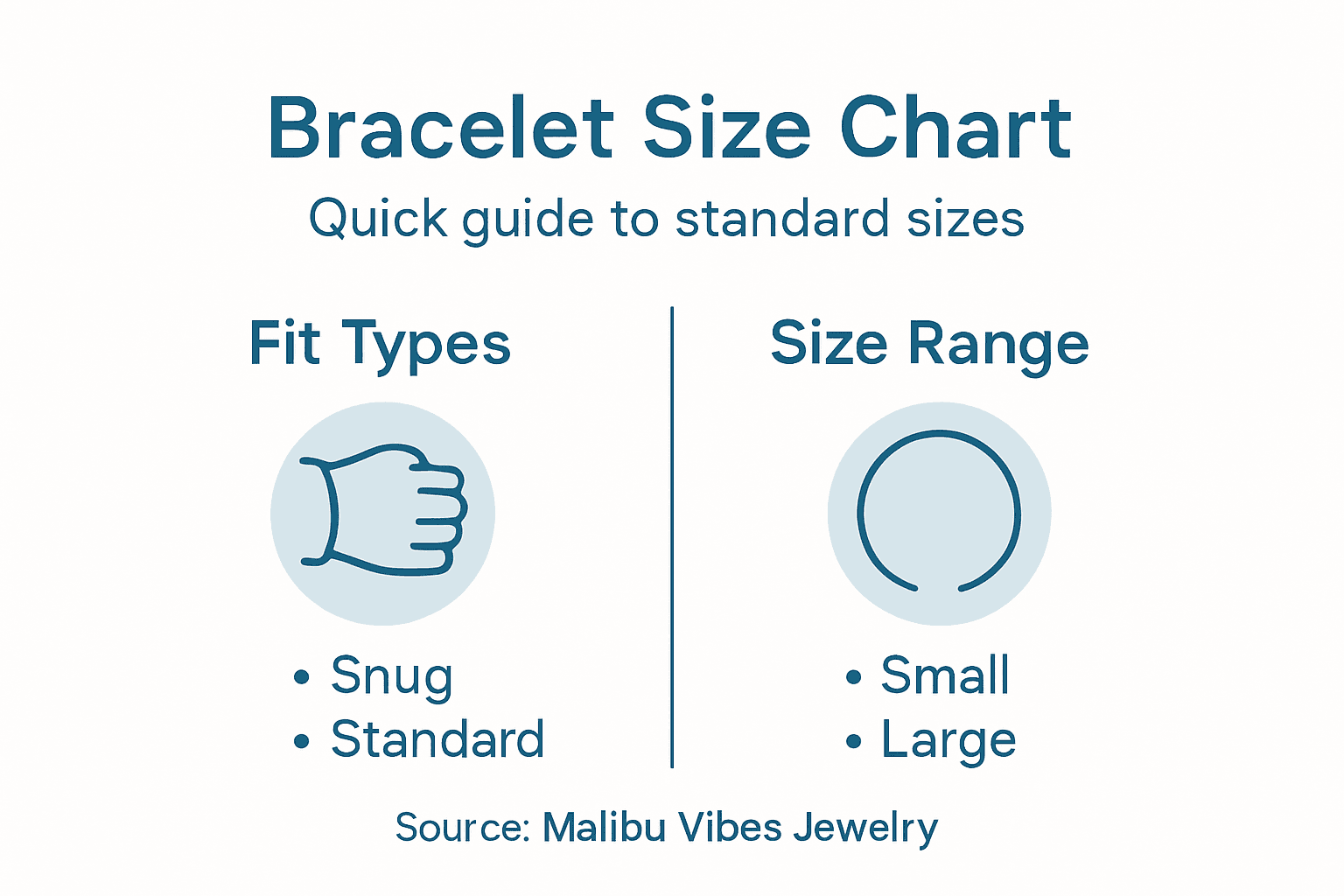
Typical Bracelet Size Ranges:
Refer to this overview for standard bracelet sizes and their typical uses:
| Size Range (inches) | Target Wearer | Common Use | Ideal Bracelet Type |
|---|---|---|---|
| 6 – 7 | Women | Everyday, petite fit | Chain links, thin bangles |
| 7 – 8 | Women/Men | Standard fit | Charm, cuff, beaded |
| 8 – 9 | Men | Larger wrists | Wide cuffs, thick bangles |
| Adjustable | All | Gifting, flexibility | Sliding, expandable styles |
- Women’s Sizes: 6 to 8 inches
- Men’s Sizes: 7 to 9 inches
- Adjustable Bracelets: Flexible sizing options
- Specialty Sizes: Custom lengths available
Bracelet size charts typically work by adding a small buffer to your actual wrist measurement. Most charts recommend adding approximately 0.5 inches to your wrist circumference to ensure a comfortable, secure fit. This slight additional space prevents the bracelet from feeling too tight while maintaining a sleek, elegant appearance.
Sizing Considerations by Bracelet Type:
- Chain Bracelets: More flexible sizing
- Bangles: Precise measurement critical
- Charm Bracelets: Allow extra space for embellishments
- Cuff Styles: Depends on wrist width and design
Professional jewelers understand that perfect sizing is about more than just numbers - it’s about how the piece feels and moves with your body.
Different bracelet styles require nuanced approaches to sizing. Wrist circumference variations can impact how a bracelet fits, making it crucial to consider factors like material flexibility, clasp type, and personal comfort preferences.
Sizing Conversion Tips:
- Always measure at the end of the day
- Account for potential wrist size fluctuations
- Consider the specific bracelet style
- Test fit before final purchase
Pro tip: When in doubt between two sizes, choose the slightly larger option for maximum comfort and versatility.
Common Mistakes and Sizing Adjustments
Bracelet sizing mistakes can transform a beautiful piece of jewelry into an uncomfortable accessory. Understanding common pitfalls helps you make informed decisions and ensure your bracelet looks and feels perfect.
Top Measurement Errors to Avoid:
- Measuring wrist too loosely
- Not adding recommended comfort buffer
- Using incorrect measuring point
- Ignoring material and style variations
- Measuring when hands are cold or swollen
Precision matters when selecting bracelet sizes. Most individuals make critical errors by assuming a one-size-fits-all approach or relying on existing bracelets without considering design nuances. Different bracelet types - from rigid bangles to flexible chain links - require unique sizing strategies.
Sizing Adjustment Techniques:
- Choose adjustable chain styles
- Select bracelets with multiple clasp positions
- Consider stretchable design options
- Use bracelet extenders for minor fit issues
- Consult professional sizing recommendations
A perfectly fitted bracelet feels like a natural extension of your personal style, not an uncomfortable constraint.
Bracelets for smaller or larger wrists demand special attention. Petite sizing options provide tailored solutions for those struggling with standard sizing, offering more inclusive and comfortable jewelry experiences.
Comfort Adjustment Strategies:
- Layer multiple thin bracelets
- Use bracelet sizing adapters
- Select styles with flexible clasps
- Consider custom sizing services
Pro tip: Always try on bracelets and move your wrist to test comfort before making a final purchase.
Find Your Perfect Bracelet Fit with Malibu Vibes Jewelry
Choosing the right bracelet size can transform your jewelry experience from uncomfortable to truly personal. This guide helps you understand key sizing concepts like wrist measurement, comfort fit, and the unique sizing needs of styles like bangles or chain links. At Malibu Vibes Jewelry, we are dedicated to helping you find that ideal fit with our handcrafted collection that blends luxury with everyday wearability.

Explore our curated selection of Bracelets Malibu Vibes Jewelry featuring adjustable and versatile designs tailored for comfort and elegance. Discover the craftsmanship behind each piece by visiting our landing page for special offers and new arrivals. For those who love the charm of detailed jewelry, consider browsing our 14k Gold Charm Necklaces that complement your bracelet perfectly.
Take the next step toward owning jewelry that fits like it was made for you. Shop now and enjoy the confidence that comes with the right fit and exquisite style.
Frequently Asked Questions
What is the best way to measure my wrist for bracelet sizing?
To measure your wrist accurately, wrap a flexible measuring tape around the widest part of your wrist. Make sure it’s snug but not tight, then note the measurement. For comfort, add about 0.5 inches to your wrist measurement.
How do temperature and activity affect bracelet sizing?
Temperature and physical activity can cause your wrist size to fluctuate. It’s recommended to measure your wrist at different times of the day, ideally at the end of the day when your wrist may be slightly larger due to natural changes.
What are the different fit categories for bracelets?
Bracelets typically come in three fit categories: snug fit (close to the wrist with minimal movement), standard fit (allows slight movement without sliding), and loose fit (provides more space between the bracelet and wrist).
Can the type of bracelet affect the sizing I need?
Yes, different types of bracelets have unique sizing characteristics. For instance, bangles require precise measurements, while chain link bracelets are adjustable and more flexible in sizing. It’s essential to consider the type when selecting the appropriate size.
Recommended
- How to Measure Wrist for Bracelet? | Malibu Vibes Jewelry
- Bracelet Size Chart – Ensuring Perfect Fit and Style – Malibu Vibes Jewelry
- Ring Size Guide – Malibu Vibes Jewelry
- What is a Tennis Bracelet? Understanding This Elegant Jewelry – Malibu Vibes Jewelry
- Letter M Crystal Pendant Earrings for Women - Beecollectibles