

Nothing feels more disappointing than noticing a dull haze creeping over your favorite handcrafted jewelry. For fashion-forward American women who cherish their high-quality pieces, maintaining their shine and brilliance is more than just aesthetic—it is about protecting a meaningful investment. Discover effective, proven strategies for gentle cleaning, specialized treatments, and smart storage that keep your jewelry radiant and resist tarnishing, ensuring your beloved accessories stay as stunning as the day you bought them.
Table of Contents
- Step 1: Prepare Your Jewelry With Gentle Cleaning
- Step 2: Apply Protective Treatments To Precious Metals
- Step 3: Store Pieces In Optimal Conditions
- Step 4: Wear Jewelry Correctly To Minimize Exposure
- Step 5: Check For Tarnish And Refresh Protection
Quick Summary
| Key Point | Explanation |
|---|---|
| 1. Clean Jewelry Gently | Use a soft cloth and mild soap to clean without damage. Always handle one piece at a time. |
| 2. Apply Protective Coatings | Use treatments like rhodium plating and anti-tarnish sprays to prevent oxidation and tarnishing. |
| 3. Store Jewelry Carefully | Use individual bags and airtight containers to avoid scratches and moisture that causes tarnish. |
| 4. Wear Jewelry Mindfully | Remove jewelry during physical activities and avoid chemicals to minimize damage and tarnishing. |
| 5. Monitor for Tarnish Regularly | Inspect jewelry for discoloration; early detection allows for easier tarnish removal and maintenance. |
Step 1: Prepare your jewelry with gentle cleaning
Preparing your fine jewelry for cleaning requires careful attention and a soft touch. The goal is to remove accumulated dirt, oils, and grime without causing damage to delicate metals or precious stones. Proper cleaning techniques are essential for maintaining your jewelry’s brilliance and longevity.
Start by gathering your cleaning materials. You’ll need:
- Soft, lint-free microfiber cloth
- Lukewarm water
- Mild, unscented dish soap
- Soft-bristled brush (like a clean makeup brush)
- Small, clean bowl
Create a gentle cleaning solution by mixing a few drops of mild dish soap with lukewarm water. Avoid hot water, which can potentially damage certain gemstones or loosen settings. Submerge your jewelry carefully and let it sit for a few minutes to help loosen dirt and oils.
Gentle cleaning is the foundation of jewelry maintenance, preserving both the beauty and structural integrity of your precious pieces.
Use the soft-bristled brush to lightly clean around settings and intricate details, being careful not to scrub aggressively. Rinse thoroughly with clean, lukewarm water to remove all soap residue.
Pro tip: Always clean one piece of jewelry at a time to prevent scratching and ensure thorough, individualized care.
Step 2: Apply protective treatments to precious metals
Protecting your jewelry from tarnish requires strategic application of specialized treatments that create a barrier between your precious metals and environmental factors. Protective metal coatings are essential for preserving your jewelry’s pristine appearance and preventing oxidation.
Choose from several professional protective treatment options:
- Rhodium plating for white gold and platinum
- Clear lacquer coatings
- Anti-tarnish sprays
- Specialized jewelry sealants
Each treatment works differently to shield your metals. Rhodium plating provides an extra layer of protection, creating a smooth, reflective surface that resists scratching and tarnishing. When applying any protective treatment, ensure you work in a clean, dust-free environment and follow manufacturer instructions precisely.
Professional protective treatments can extend the life of your jewelry by creating an effective barrier against environmental oxidation.
For DIY enthusiasts, anti-tarnish strips or specialized jewelry storage bags can provide additional protection between professional treatments. These solutions help absorb moisture and prevent sulfur compounds from interacting with your metal surfaces.
Here’s a quick comparison of common protective treatments for jewelry metals:
| Treatment Type | Best For | Key Benefit | Longevity |
|---|---|---|---|
| Rhodium plating | White gold, platinum | Highly reflective surface | 1–2 years typical |
| Clear lacquer coating | Silver, base metals | Shields from air/moisture | Several months |
| Anti-tarnish spray | Silver, sterling silver | Delays oxidation/tarnish | Few months |
| Jewelry sealant | Mixed metal pieces | Blocks environmental damage | 6–12 months |
Pro tip: Consider professional reapplication of protective coatings every 1-2 years to maintain maximum tarnish resistance.
Step 3: Store pieces in optimal conditions
Preserving your jewelry’s beauty requires strategic storage that protects against environmental damage and tarnishing. Controlled storage environments are crucial for maintaining your precious pieces in pristine condition.
Create an ideal jewelry storage system with these essential elements:
- Individual soft cloth bags or compartments
- Airtight containers with anti-tarnish strips
- Cool, dry storage locations away from direct sunlight
- Separate storage for different metal types
- Silica gel packets to absorb excess moisture
Separate storage is critical to prevent scratching and chemical interactions between different metals. Silver pieces, which are particularly prone to tarnishing, require special attention. Avoid storing jewelry in bathrooms or areas with high humidity, as moisture can accelerate oxidation and damage your precious pieces.
Proper storage is your first line of defense against environmental factors that cause jewelry tarnish and degradation.
Consider investing in specialized jewelry boxes with individual compartments and anti-tarnish linings. These containers create a protective barrier against sulfur compounds and other contaminants that can cause discoloration and damage to your favorite pieces.
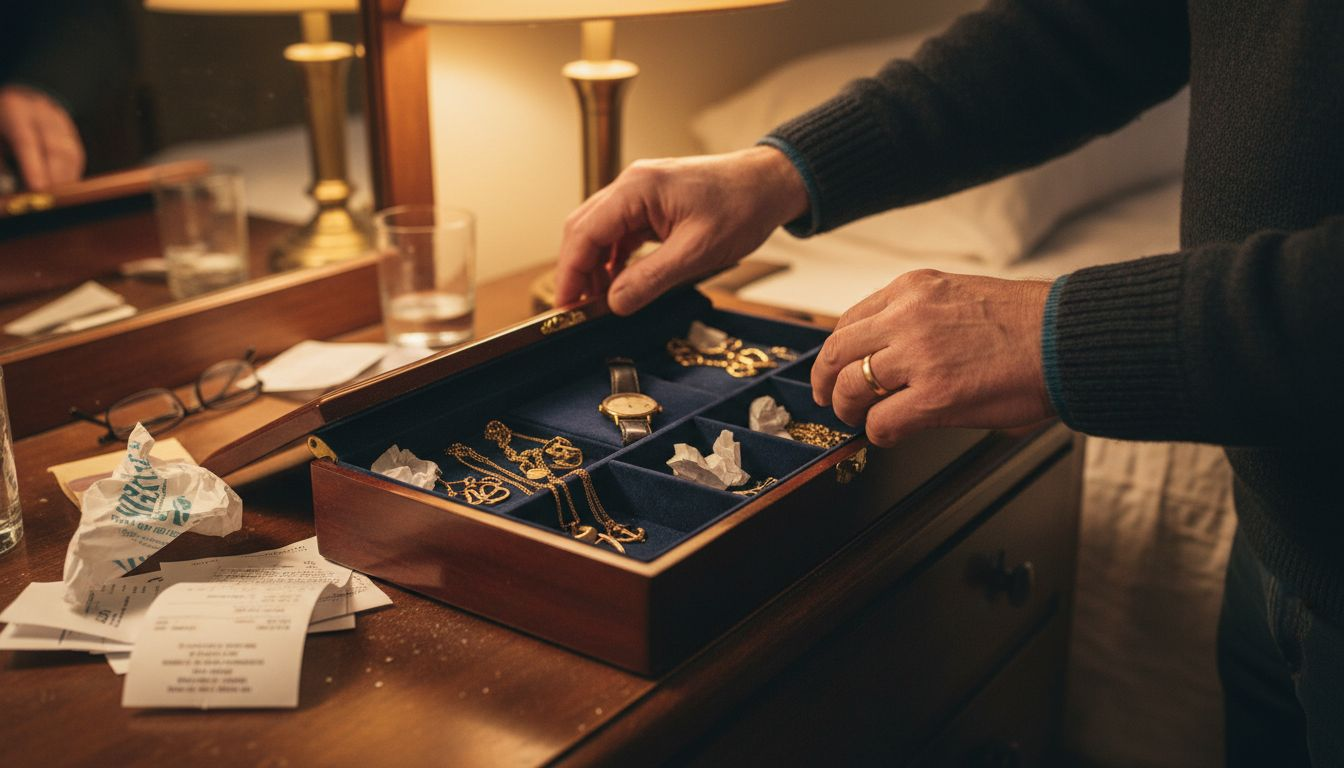
Below is a summary of ideal jewelry storage strategies for maximum protection:
| Storage Method | Main Purpose | Best For |
|---|---|---|
| Individual soft cloth bags | Prevents scratches | All jewelry types |
| Airtight container + strips | Limits moisture and sulfur | Silver and tarnish-prone items |
| Separate by metal type | Prevents chemical reactions | Gold, silver, platinum pieces |
| Silica gel packet inclusion | Controls humidity | All jewelry, especially silver |
Pro tip: Rotate your jewelry storage method seasonally, checking for any signs of tarnish or environmental damage.
Step 4: Wear jewelry correctly to minimize exposure
Protecting your precious jewelry starts with understanding how everyday activities can accelerate tarnishing and damage. Proper jewelry wearing techniques can significantly extend the life and brilliance of your favorite pieces.
Adopt these strategic wearing guidelines to minimize potential damage:
- Remove jewelry before physical activities
- Apply makeup and perfume before putting on jewelry
- Avoid contact with harsh chemicals
- Take off rings when washing hands
- Keep jewelry away from chlorinated water
Chemical exposure is one of the primary culprits behind jewelry deterioration. Substances like perfumes, lotions, and cleaning products contain compounds that can react with metal surfaces, causing discoloration and accelerated tarnishing. Always put on your jewelry after completing your beauty routine to create a protective barrier.
Mindful wearing is your first defense against premature jewelry aging and tarnish development.
Pay special attention to delicate pieces during activities that involve manual labor, sports, or water exposure. Silver and gold jewelry are particularly susceptible to environmental damage, so creating a habit of removing your pieces during high-risk activities is crucial for long-term preservation.
Pro tip: Create a designated jewelry removal zone near your entryway to make protecting your accessories a seamless part of your daily routine.
Step 5: Check for tarnish and refresh protection
Maintaining your jewelry’s brilliance requires consistent monitoring and proactive care. Regular jewelry inspection techniques help you catch potential tarnish before it becomes a significant issue.
Establish a comprehensive tarnish checking routine with these steps:
- Examine jewelry under bright, natural light
- Check metal surfaces for discoloration
- Inspect settings and intricate details
- Use soft white cloth to test for subtle color changes
- Compare current condition to original piece appearance
Subtle color changes often indicate early tarnish development. Silver pieces are particularly prone to quick oxidation, so pay extra attention to these items. Focus on areas that frequently contact skin or come into regular exposure with environmental factors like humidity or chemicals.
Early detection of tarnish allows for immediate intervention and prevents long-term damage to your precious jewelry pieces.
Depending on the severity of tarnish, you may need professional cleaning or at-home restoration techniques. Some light tarnish can be removed with gentle polishing, while more advanced oxidation might require specialized treatments or professional refinishing.
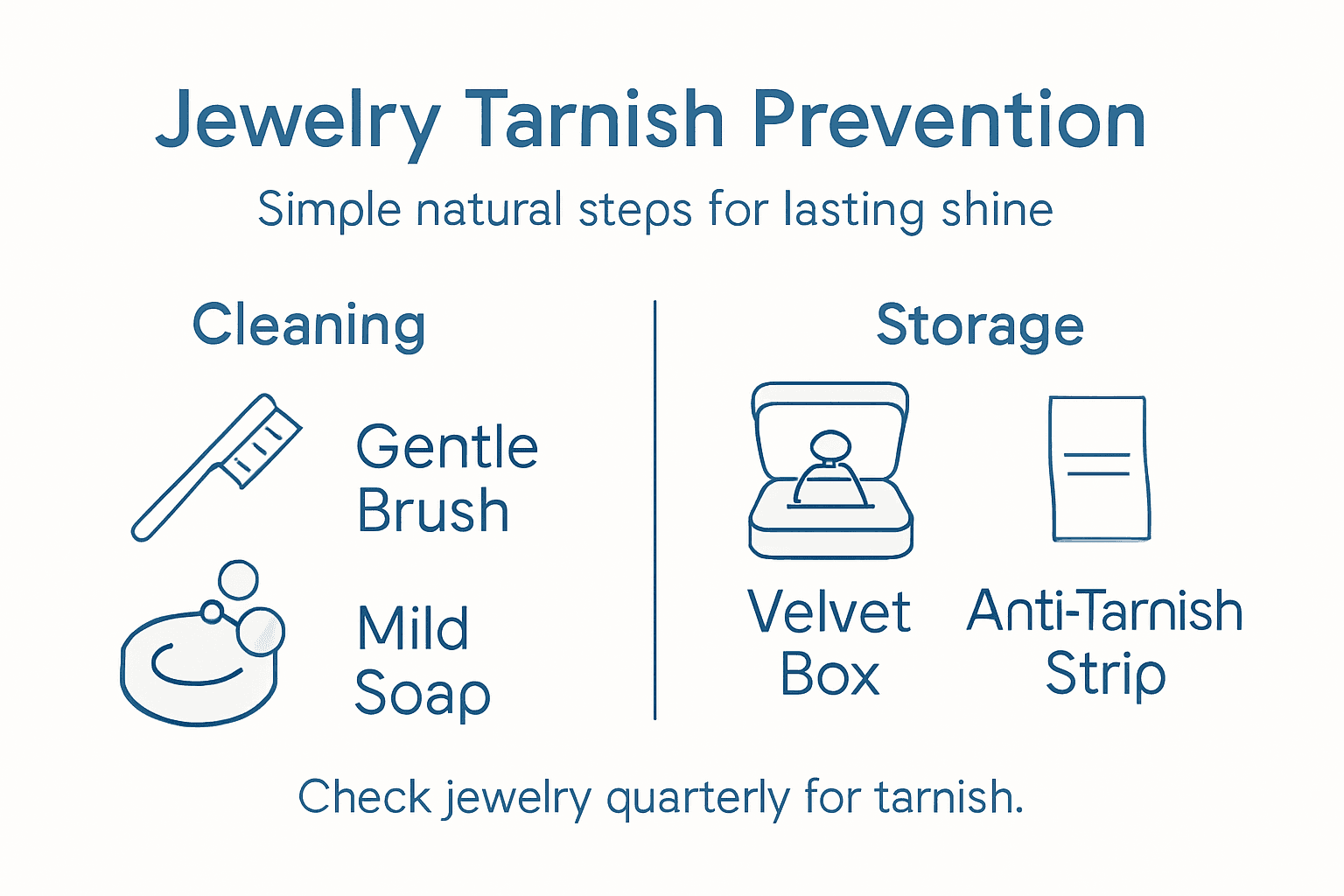
Pro tip: Create a quarterly jewelry maintenance calendar to ensure consistent and systematic inspection of your precious pieces.
Keep Your Jewelry Stunning and Tarnish-Free with Malibu Vibes Jewelry
Protecting your precious jewelry from tarnish and damage is essential for maintaining its lasting beauty. This article highlights key steps like gentle cleaning, applying protective treatments, and proper storage to shield your pieces from environmental wear and oxidation. At Malibu Vibes Jewelry, we understand these challenges and offer handcrafted fine jewelry made from durable precious metals like 14k gold and sterling silver designed to retain their brilliance with proper care.
Explore our Solid Gold Necklaces and Bezel Jewelry collections that combine timeless style with craftsmanship meant for everyday wear and long-term enjoyment.

Elevate your jewelry experience today by browsing Malibu Vibes Jewelry for pieces crafted to resist tarnish naturally and built with quality you can trust. Visit Malibu Vibes Jewelry and discover how easy it is to own lasting luxury. Shop now and enjoy elegant designs that keep their glow for years to come.
Frequently Asked Questions
How can I clean my jewelry without damaging it?
To clean your jewelry gently, create a solution of lukewarm water with a few drops of mild dish soap. Submerge your jewelry for a few minutes, then use a soft-bristled brush to clean intricate areas, and rinse with clean, lukewarm water.
What should I use to protect my jewelry from tarnish?
Apply protective treatments like rhodium plating or anti-tarnish sprays to create a barrier against tarnishing agents. Follow the manufacturer’s instructions carefully for maximum effectiveness.
How should I store my jewelry to prevent tarnish?
Store your jewelry in individual soft cloth bags or airtight containers with anti-tarnish strips. Keep your pieces in a cool, dry place away from direct sunlight and humidity to minimize tarnishing.
What are the best practices for wearing jewelry to avoid tarnishing?
Always remove your jewelry before engaging in physical activities or applying lotions and perfumes. Avoid exposing your pieces to harsh chemicals by taking them off when cleaning or swimming in chlorinated water.
How often should I check for tarnish on my jewelry?
Inspect your jewelry every few months to catch any early signs of tarnish. Use bright, natural light to examine surfaces and utilize a soft white cloth to check for color changes, addressing any tarnish promptly.
Recommended
- Why Does Jewelry Tarnish? Complete Guide to Causes – Malibu Vibes Jewelry
- Jewelry Cleaning at Home: Restore Shine Safely and Easily – Malibu Vibes Jewelry
- How to Clean Gold Jewelry Naturally: A Step-by-Step Guide – Malibu Vibes Jewelry
- How to Care for Gold Jewelry: Your Ultimate Guide – Malibu Vibes Jewelry
- Why Does Jewellery Tarnish? Causes, Prevention & Care Tips - Arwa Miel
- How to Care for Cork Accessories for Long-lasting Beauty – The Cork Store