

Stacking wedding rings can quickly become frustrating when rings feel too tight, create uneven gaps, or rub uncomfortably against each other throughout the day. Many women struggle to achieve a polished, cohesive look that highlights their personal style without compromising comfort. This guide provides professional techniques to master stylish and comfortable ring stacking, helping you wear your most meaningful jewelry with confidence and ease.
Table of Contents
- What You Need Before You Start: Prerequisites For Stacking
- Step-By-Step Guide To Stacking Your Wedding Rings
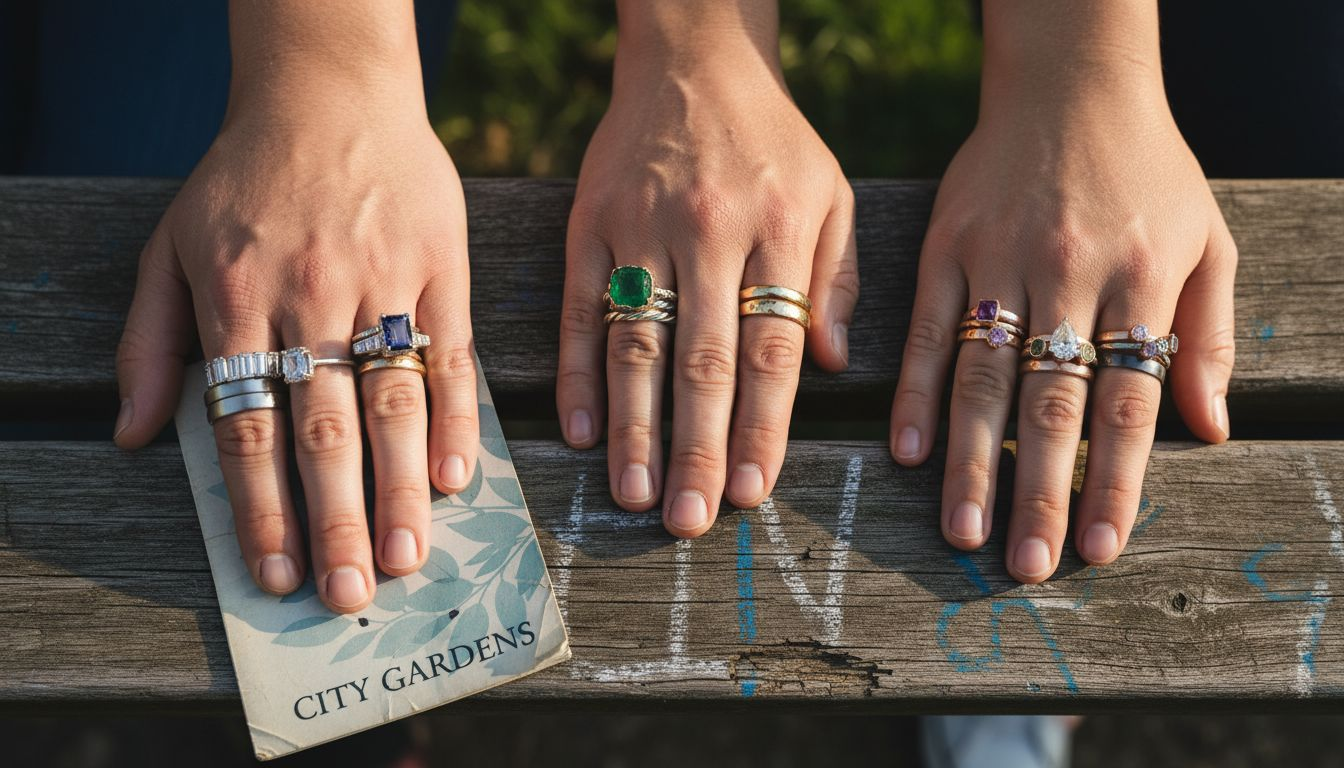
- Mixing Metals And Gemstones In Your Stack: What Works And What To Avoid
- Common Mistakes When Stacking Wedding Rings And How To Fix Them
- Expected Results And Care Tips For Stunning, Durable Stacked Rings
- Explore Malibu Vibes Jewelry’s Premium Stacking Ring Collections
- Frequently Asked Questions About Stacking Wedding Rings
Key takeaways
| Point | Details |
|---|---|
| Sizing and spacing | Proper ring widths (1.5-3mm) and sizing with ~0.5mm spacing ensure comfort and alignment when stacking. |
| Placement strategy | Stack the engagement ring in the center flanked by compatible wedding bands for balanced style. |
| Metal mixing | Mixing 14k gold and sterling silver is safe with proper craftsmanship and polishing. |
| Comfort maintenance | Avoid stacking rings too tightly; adjust sizes to prevent irritation and wear. |
| Care routine | Monthly cleaning and beveled ring edges extend the lifespan and look of your stack by 30%. |
What you need before you start: prerequisites for stacking
Successful ring stacking begins with choosing the right rings and preparing them properly. Without the correct widths, sizing, and materials, even the most beautiful rings can cause discomfort or damage over time.
Start by selecting compatible ring styles and widths that work well together. Ideal ring widths between 1.5mm to 3mm ensure comfortable stacking with proper alignment. Rings narrower than 1.5mm may appear delicate and get lost in the stack, while bands wider than 3mm can overwhelm smaller fingers and create uncomfortable pressure points.
Proper sizing is just as important as width. Ensure rings are sized with approximately 0.5mm spacing between each band to prevent tightness and allow natural movement. This small gap lets your skin breathe and reduces irritation from metal rubbing directly against metal or skin.
Material quality matters significantly for durability:
- Choose rings made from durable materials like 14k gold, noted for hardness and scratch resistance
- Select rings with beveled edges to minimize friction and wear over time
- Avoid mixing metals with vastly different hardness levels to protect ring integrity
- Verify all rings are properly finished and polished before stacking
Pro Tip: Before committing to a full stack, wear your selected rings together for a few days to test comfort and visual balance. This trial period helps you identify any sizing or compatibility issues early.
Invest time in this preparation stage to avoid costly adjustments later. Learning expert ring stacking techniques ensures your stack looks intentional and feels comfortable for all-day wear.
Step-by-step guide to stacking your wedding rings
Once you have properly sized rings with compatible widths, you can assemble your stack using these professional methods. Following these expert ring stacking steps creates a polished look that stays comfortable throughout your day.
- Begin with clean, dry hands and rings to ensure proper fit assessment
- Start with your engagement ring as the centerpiece, typically featuring your largest stone or most prominent design element
- Add wedding bands on either side of the engagement ring, choosing bands with compatible widths and profiles for visual balance
- Check that rings with compatible widths and profiles prevent discomfort and uneven gaps by ensuring smooth transitions between each band
- Verify approximately 0.5mm spacing exists between rings to allow comfortable movement and prevent metal-on-metal friction
- Test the stack by making a fist and rotating your hand through normal daily motions
Pro Tip: If your stack feels tight during movement but loose when stationary, you need a quarter size up on one or more bands. This ensures comfort during hand swelling throughout the day.
The table below shows optimal ring arrangements based on engagement ring profile:
| Engagement Ring Profile | Recommended Band Placement | Width Ratio |
|---|---|---|
| High solitaire setting | Contoured bands below and above | 1:1 or 2:1 |
| Low profile or flush | Straight bands on both sides | 1:1 |
| Halo or vintage style | Matching curved bands | 1:1.5 |
Mixing metals requires extra attention to craftsmanship. Limit combinations to 14k gold and sterling silver with professional polishing to avoid damage. Different metals wear at different rates, so beveled edges become even more important when mixing materials.
Explore additional ring stacking methods to find arrangements that match your personal style and comfort preferences. Apply professional stacking techniques consistently to maintain the integrity and beauty of your stack over time.
Mixing metals and gemstones in your stack: what works and what to avoid
Combining different metals and gemstones adds visual interest to your stack, but improper mixing can lead to discoloration, scratches, or even stone damage. Understanding material compatibility protects your investment and keeps your rings beautiful.
Mixing 14k gold and sterling silver is safe when done correctly. Quality workmanship, proper sealing, and regular polishing prevent metal reactions that cause discoloration. The key is ensuring both metals receive the same level of finishing and care.
Follow these guidelines for successful metal mixing:
- Mix 14k gold and sterling silver safely with quality workmanship and sealing
- Avoid mixing metals with vastly different hardness to prevent wear and discoloration
- Polish and seal mixed-metal stacks regularly to prolong appearance and prevent corrosion
- Keep platinum separate from softer metals unless professionally finished
Gemstone pairing requires equal care. Select gemstones with compatible hardness to avoid damage when stacked together. Diamonds (hardness 10) can scratch softer stones like opals (hardness 5-6) or pearls (hardness 2.5-4) if rings shift during wear. Group similar hardness levels together for protection.
Ensure all gemstone settings are secure before stacking to prevent stone loss. Prong settings should sit flush without catching on adjacent rings, and bezel settings should have smooth, rounded edges. Loose stones become looser faster in stacked arrangements due to increased movement and friction.
Explore the 14k gold gemstone rings collection for stacking options designed with compatible settings and profiles. Professionally crafted rings account for these compatibility factors during the design process, making stacking easier and safer.
When mixing metals or gemstones, have your jeweler inspect the stack annually. Professional assessment catches potential issues before they become expensive repairs.
Common mistakes when stacking wedding rings and how to fix them
Even with careful planning, stacking errors happen. Recognizing these common issues quickly helps you maintain comfort and protect your rings from unnecessary wear.
The most frequent mistake is stacking rings too tightly. This causes irritation, restricts blood flow, and puts pressure on ring shanks that can lead to warping. Seek professional sizing with approximately 0.5mm spacing between bands to correct this issue. Your jeweler can measure your current stack and recommend precise size adjustments.
Avoid these additional stacking errors:
- Do not stack thick or high-profile rings without adjustments to ring height and finger fit
- Never ignore discomfort or skin irritation; these signal sizing or metal reaction problems
- Avoid wearing stacks during activities that could bend or damage rings
- Do not skip regular maintenance; dirt buildup accelerates metal wear
“Proper ring spacing and regular inspection prevent 85% of stacking-related damage and discomfort. Monthly care routines catch issues before they require expensive repairs.”
Use stacking sleeves or alternate ring order if discomfort or deformation occurs. Sleeves provide temporary relief while you arrange professional resizing, and changing ring order sometimes eliminates pressure points entirely.
Clean and inspect stacked rings monthly to prevent dirt buildup and metal corrosion. Soap residue, lotion, and natural skin oils create a film that traps moisture between rings, leading to tarnish and irritation. A soft toothbrush with warm soapy water removes most buildup effectively.
Regular maintenance extends your stack’s beauty and prevents costly repairs. Simple monthly care costs nothing but saves hundreds in potential restoration work. For detailed guidance on correcting stacking mistakes, review professional troubleshooting techniques that address specific comfort and appearance issues.
Expected results and care tips for stunning, durable stacked rings
Proper stacking technique delivers both immediate visual impact and long-term wearability. Understanding realistic expectations helps you maintain satisfaction with your stack over time.
Well-executed ring stacking creates a cohesive, intentional look that draws attention without overwhelming your hand. Proper monthly cleaning extends stacked ring lifespan by 30% and keeps shine bright, while regular inspection prevents small issues from becoming major repairs.
Stacked rings with beveled edges reduce wear by 15% compared to flat-edged rings. The rounded profile minimizes metal-on-metal contact, distributing pressure across a wider surface area. This small design detail makes a significant difference in durability.
The appeal of stacked rings continues growing. 62% of women aged 25-40 prefer stacked rings for added visual interest in fashion, making this styling choice both timeless and trendy. Your stack becomes a personalized statement piece that evolves with your jewelry collection.
Key care practices include:
- Clean rings monthly with warm soapy water and a soft brush
- Inspect settings and prongs for looseness or damage
- Remove rings during hand-intensive activities
- Store rings separately when not wearing to prevent scratching
- Schedule professional polishing every 12-18 months
Proper spacing and stacking prevent finger irritation and ring deformation over time. When rings sit correctly, metal doesn’t dig into skin or bend under normal pressure. You should be able to wear your stack comfortably for 12-14 hours without noticing it.
| Care Activity | Frequency | Expected Benefit |
|---|---|---|
| Home cleaning | Monthly | Maintains shine, prevents buildup |
| Professional inspection | Every 6 months | Catches loose stones, worn prongs |
| Professional polishing | Every 12-18 months | Restores original luster |
| Setting tightening | As needed | Prevents stone loss |
Pro Tip: Keep a jewelry care log noting cleaning dates and any issues observed. This record helps jewelers identify patterns and recommend preventive measures specific to your wearing habits.
For inspiration on wearing your stack beyond special occasions, explore styling stacked rings for everyday wear. Daily styling ideas help you maximize the value and enjoyment of your carefully curated stack.
Explore Malibu Vibes Jewelry’s premium stacking ring collections
Now that you understand professional stacking techniques, discover rings designed specifically for comfortable, stylish stacking. Malibu Vibes offers expertly crafted pieces in 14k gold and sterling silver, featuring beveled edges and profiles that work seamlessly together.
Browse the 14k gold stacking rings collection for luxurious options that combine durability with timeless design. Each piece is handcrafted in Los Angeles with attention to the details that make stacking successful, from proper edge finishing to compatible widths.

For mixed-metal enthusiasts, the sterling silver stacking rings complement gold bands beautifully when properly maintained. These collections include rings specifically designed to pair well with different metal tones.
Learn about the fine jewelry craftsmanship behind each Malibu Vibes piece. Understanding the creation process helps you appreciate the quality and care invested in rings built to last through years of daily wear and stacking.
Frequently asked questions about stacking wedding rings
How tight should stacked wedding rings fit?
Rings should have about 0.5mm spacing to avoid irritation and allow comfortable wear throughout the day. Too tight stacking risks skin irritation, restricted blood flow, and ring damage from constant pressure. You should be able to slide rings on and off with slight resistance but no pain.
Can you safely mix different metals in a stacked ring set?
Mixing 14k gold and sterling silver is safe if rings are well polished and sealed by a professional jeweler. Avoid mixing metals with big hardness differences without professional finishing, as softer metals will wear faster and may discolor. Regular polishing maintains the protective layer that prevents reactions.
How often should I clean and maintain stacked wedding rings?
Monthly cleaning and inspection prevent dirt buildup and metal corrosion that accelerate wear. Use warm soapy water with a soft brush for home cleaning. Regular polishing by a jeweler every 12-18 months enhances shine and durability while allowing professional inspection of settings.
What are some stylish ways to stack multiple rings for special occasions?
Center your engagement ring and flank with coordinating bands, mixing metals where appropriate for visual interest. Use thinner rings with beveled edges for comfort in all-day wear, and consider adding a third or fourth band on the opposite side of your engagement ring for asymmetric balance. Explore styling stacked rings for specific occasion-based arrangements that elevate your look.