

TL;DR:
- A jewelry box for earrings keeps pairs organized, protected, and easily accessible. It features compartments designed to prevent tangling, scratching, and damage, extending jewelry longevity. Choosing the right capacity, material, and organization method enhances your collection’s safety and ease of use.
A jewelry box for earrings is a specialized storage solution designed to keep earrings organized, visible, and protected from damage and loss. Unlike general jewelry boxes, earring-specific organizers use individual compartments, fabric-lined slots, and secure closures to prevent tangling, scratching, and mismatched pairs. The right earring storage solution protects your investment and makes your daily routine faster. Whether you own five pairs of gold studs or a growing collection of chandelier earrings, the box you choose shapes how well your jewelry holds up over time.
What makes a jewelry box for earrings different from general storage?
A standard jewelry box treats all pieces the same. An earring-specific organizer is built around the unique physical demands of earrings: small backs that fall off, delicate posts that bend, and hoops that tangle with everything nearby. Individual compartments and fabric-lined slots prevent friction and damage, directly improving the longevity of your pieces. That separation also makes daily selection faster because you can see every pair at a glance.
Earring organizer boxes typically hold between 50 to 75 pairs, with dedicated slots for larger hoops and chandelier styles. That range covers most personal collections without wasting counter space. The industry term for this category is “earring display case” or “earring holder box,” and both terms describe the same core product: a compartmented case built to store pairs together and keep them accessible.
How do you choose the right capacity and compartment type?
Capacity is the first decision, and it depends on how many pairs you own and what styles dominate your collection. Studs need small, snug slots. Hoops need wider openings. Chandelier earrings need tall, open sections that do not crush the drop.
Specialized earring boxes hold 50 to 75+ compartments, with some models adding four or more large slots for oversized styles. A box sized at approximately 8.5 x 8.5 x 3.5 inches handles that range without taking over your dresser. Larger form factors with mirrors and additional drawers exist for collectors with 100+ pairs.
| Earring style | Ideal compartment type | Recommended capacity |
|---|---|---|
| Studs | Small grid slots (1 x 1 inch) | 50–75 slots |
| Hoops | Wide open slots or ring bars | 10–20 dedicated slots |
| Chandeliers | Tall open sections | 4–8 large slots |
| Drop earrings | Medium padded slots | 15–25 slots |
| Mixed collection | Combination tray with varied sizes | 50+ total with mixed types |
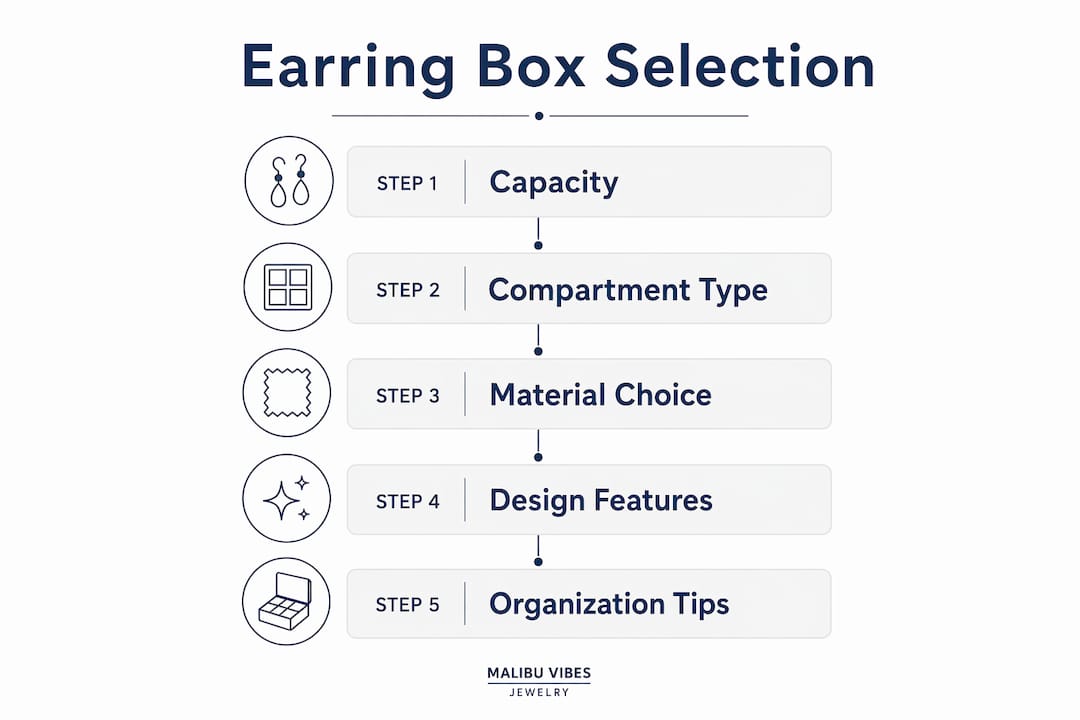
Pro Tip: Before buying, count your pairs by style and write them down. Knowing you own 40 studs, 10 hoops, and 5 chandeliers tells you exactly which compartment breakdown to look for, and saves you from buying a box that fits only half your collection.
What materials and design features protect earrings best?
Material choice determines both durability and how well the box protects your jewelry. The two most common constructions are PU leather over an MDF wood frame and clear acrylic. Each has a distinct advantage.
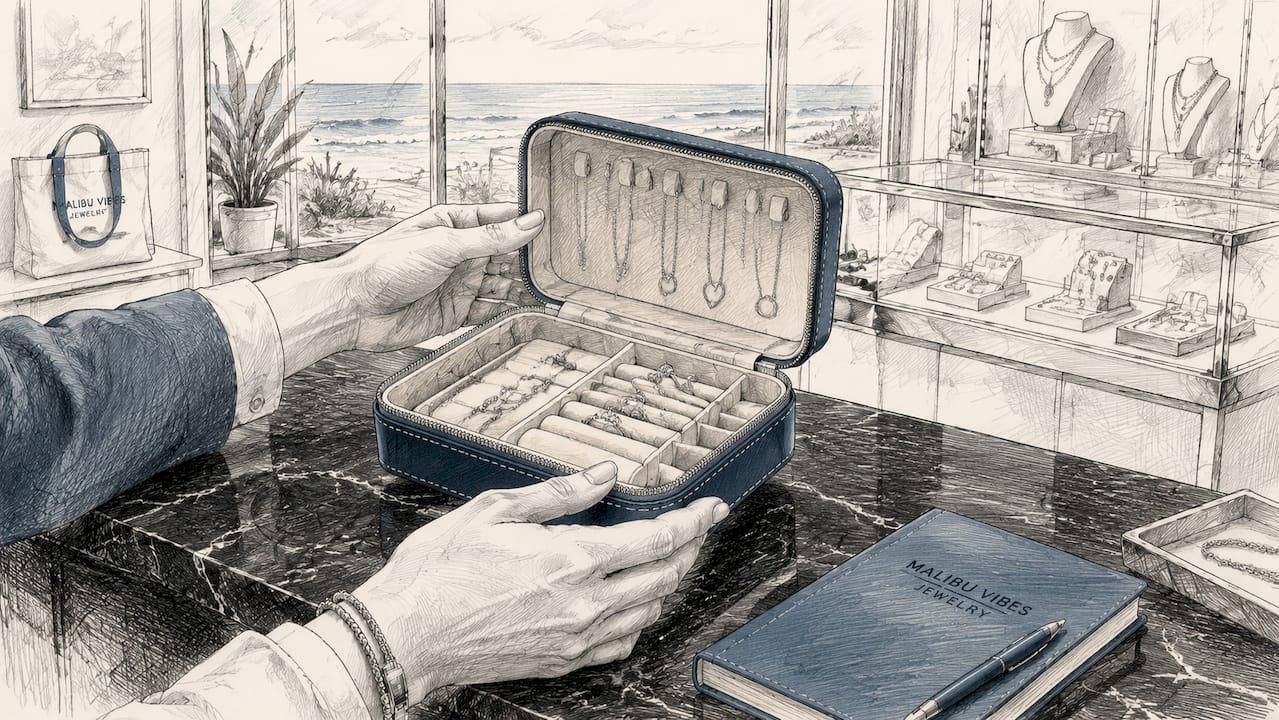
PU leather boxes, like those built with a wood frame, magnetic snaps, and fabric-lined compartments, offer a structured, elegant look and solid protection. The magnetic closure keeps the lid shut during travel or storage, preventing earrings from spilling. Fabric lining, especially velvet, cushions posts and prevents the micro-scratches that dull metal over time.
Velvet-lined drawers reduce wear on delicate pieces and add a visual richness that makes the box feel like a display case rather than a utility bin. Clear acrylic organizers take a different approach. They prioritize visibility, letting you see every pair without opening anything. Acrylic tabletop units typically cost around $25 and use sliding or stackable designs that work well on a vanity or bathroom counter.
Key features to evaluate when choosing your earring holder box:
- Lining material: Velvet or soft fabric prevents scratching on gold, silver, and gemstone settings.
- Closure type: Magnetic snaps are more reliable than friction lids for travel use.
- Visibility: Clear lids or acrylic sides let you identify pairs without handling them.
- Mirror inclusion: Built-in mirrors add function without requiring extra counter space.
- Removable trays: Modular inserts let you reconfigure the layout as your collection changes.
- Frame rigidity: MDF wood frames hold their shape under weight; thin plastic frames warp over time.
Visibility and separation are the two features storage experts consistently rank highest. A box that hides your earrings in a pile defeats its own purpose.
What are the best ways to organize earrings inside the box?
Organization method matters as much as the box itself. A well-chosen box filled randomly still wastes time every morning. The goal is a system where you can find any pair in under ten seconds.
Follow these steps to set up a system that actually holds:
- Empty and audit your collection. Lay every pair on a flat surface. Identify any singles, broken pieces, or earrings you no longer wear. Remove them before organizing.
- Group by style first. Separate studs, hoops, drops, and chandeliers into distinct piles. This tells you how much space each category needs.
- Assign zones within the box. Place daily wear earrings in the most accessible section, typically the front or top tray. Reserve deeper compartments for occasion pieces.
- Use vertical panels for hoops. Vertical wall space and stackable inserts maximize storage without requiring a larger box. A vertical panel inside the lid holds hoops without bending them.
- Keep pairs together physically. Thread both posts through the same slot or use a small zip bag inside a large compartment for oversized earrings. Never store a pair in two separate locations.
- Review monthly. Collections grow. A monthly check catches overcrowding before it causes damage.
Stackable trays and vertical organizers scale with your collection without requiring you to buy a new box every year. That flexibility is worth prioritizing when you first choose a storage system.
Pro Tip: Arrange earrings by color within each style group. Gold studs together, silver studs together. This visual shortcut cuts decision time in half on busy mornings and makes it obvious when a pair is missing.
How do you match a jewelry box to your space, style, and budget?
The right earring display case fits your room as well as your collection. A compact box measuring under 9 inches wide works on a small nightstand or bathroom shelf. A larger multi-drawer organizer suits a dedicated vanity with more surface area.
Style preference splits into two clear directions. Modern acrylic designs suit minimalist, contemporary spaces and cost roughly $25 for a quality tabletop unit. Classic leather-bound boxes with velvet interiors suit traditional or maximalist spaces and typically run $30–$60 for mid-range options. Premium versions with mirrors, multiple drawers, and locking mechanisms can exceed $80.
| Price range | Typical features | Best for |
|---|---|---|
| Under $25 | Acrylic or basic fabric, 20–40 slots | Small collections, first-time buyers |
| $25–$50 | PU leather, 50–75 slots, magnetic snap | Mid-size collections, daily use |
| $50–$80 | Wood frame, velvet lining, mirror, drawers | Large collections, vanity display |
| $80 and above | Multi-tier, locking, premium materials | Serious collectors, fine jewelry |
Budget constraints are real, but the $25–$50 range covers most needs well. A box in that range holds a full collection, uses quality materials, and lasts several years with basic care. Spending less often means replacing the box sooner, which costs more over time.
Malibuvibesjewelry carries sterling silver and 14k gold earrings that deserve storage at the $30+ tier. Fine metals and gemstone settings require fabric lining and individual slots, not a shared tray. Matching your storage quality to your jewelry quality is a direct investment in preservation.
Check the latest jewelry trends for 2025 and 2026 if you want to align your new box with the styles you plan to add to your collection.
Common mistakes that damage earrings and shorten box life
Most earring damage happens not from wear but from storage. The most frequent mistake is overcrowding compartments. When posts press against each other, they bend. When hoops stack without separation, they scratch.
Overcrowding and skipping regular cleaning are the two habits that shorten both box and earring lifespan fastest. A full box is not a well-organized box. If you cannot place each pair in its own slot, the box is too small for your collection.
Troubleshooting tips that prevent the most common problems:
- Do not mix metals in the same slot. Gold and silver in contact cause micro-abrasion over time. Keep them in separate sections.
- Clean the box every 2–3 months. Dust and skin oils accumulate in fabric lining and transfer to your jewelry. A soft dry cloth handles most buildup.
- Store a single earring separately. Keep lost-pair singles in a small labeled pouch inside the box. Do not discard them. Pairs turn up.
- Avoid humidity. Bathrooms are convenient but humid. Moisture degrades fabric lining and accelerates tarnish on silver. A bedroom dresser is a better location.
- Rotate your collection. Earrings stored at the back of a box for months can tarnish from inactivity. Periodic rotation keeps all pieces in good condition.
Key Takeaways
A jewelry box built specifically for earrings protects your collection, saves time, and extends the life of fine metals and gemstone settings.
| Point | Details |
|---|---|
| Capacity matters | Choose a box with 50–75 slots and dedicated large sections for hoops and chandeliers. |
| Material drives protection | Velvet or fabric lining prevents scratching; PU leather frames add durability and structure. |
| Organization method is half the system | Group by style, assign zones, and keep pairs physically together in the same slot. |
| Match box quality to jewelry quality | Fine metals and gemstones need fabric-lined individual slots, not shared trays. |
| Maintenance extends lifespan | Clean the box every 2–3 months and avoid storing it in humid environments. |
Why I think most people buy the wrong earring box
Most buyers pick a jewelry organizer for earrings based on how it looks in a product photo. That is the wrong filter. A beautiful box that holds 20 pairs is useless if you own 60. I have seen this mistake repeatedly: someone buys a sleek acrylic case, fills it in a week, and ends up piling the overflow on the counter anyway.
The feature I always recommend prioritizing first is compartment variety, not total count. A box with 75 identical small slots fails anyone with a serious hoop collection. The boxes worth buying combine small grid slots for studs with at least four to six open sections for larger styles. That combination covers real-world collections.
I also think the acrylic versus leather debate is mostly personal preference, with one exception: if you travel with your earrings, a rigid PU leather box with a magnetic snap is meaningfully better. Acrylic cracks under pressure. Fabric-lined wood frames absorb impact. For home use, either works. For travel, structure wins.
The last thing I will say is this: buy slightly more capacity than you need right now. Collections grow, especially once you start paying attention to quality. A box that fits your current 30 pairs perfectly will feel cramped after one good jewelry purchase. Give yourself room.
— Ara
Fine jewelry worth storing well, from Malibuvibesjewelry
Malibuvibesjewelry designs handcrafted fine jewelry in Los Angeles, using 14k gold, sterling silver, and genuine gemstones. Every piece is built to last, which means it deserves storage that matches that standard.

The collections include diamond earrings and gemstone pieces that pair beautifully with the organizational systems covered here. If you want to understand what goes into each piece before you buy, the fine jewelry making process page walks through every step from material selection to finished product. Quality jewelry and quality storage belong together.
FAQ
What is a jewelry box for earrings?
A jewelry box for earrings is a compartmented storage case designed to hold earring pairs individually, preventing tangling, scratching, and loss. It typically includes small slots for studs, wider sections for hoops, and fabric lining to protect metal and stone settings.
How many compartments does a good earring box need?
Specialized earring organizer boxes typically hold 50 to 75 pairs, with additional large slots for hoops and chandeliers. The right number depends on your collection size and the mix of earring styles you own.
What is the best material for an earring storage box?
PU leather over an MDF wood frame with velvet lining offers the best combination of durability and protection for fine jewelry. Clear acrylic works well for visibility and modern styling but is less suitable for travel use.
How do I keep earrings from tarnishing in storage?
Store earrings in a fabric-lined box away from humidity, and avoid mixing metals in the same compartment. Cleaning the box every 2–3 months removes the oils and dust that accelerate tarnish on silver and gold.
Can I use a regular jewelry box for earrings?
A general jewelry box can hold earrings, but it lacks the individual slots and fabric-lined compartments that prevent posts from bending and surfaces from scratching. Visibility and separation are the two features that make earring-specific storage worth the investment.
Recommended
- Gold Ring Type Earrings: Styles, Quality, and How to Buy – Malibu Vibes Jewelry
- How to Choose Jewelry Gifts for Every Special Occasion – Malibu Vibes Jewelry
- Gold Diamond Earrings | Hoops, Studs & Drops | Malibu Vibes Jewelry
- 7 Essential Tips for How to Choose Earrings with Confidence – Malibu Vibes Jewelry