

Buying handcrafted jewelry in 2026 doesn’t have to feel overwhelming. Whether you’re treating yourself or selecting a meaningful gift, the sheer variety of metals, gemstones, and styles can make decision-making tricky. This comprehensive checklist breaks down the essential criteria you need to evaluate quality, ask the right questions, and compare options confidently. From verifying authenticity to understanding return policies, you’ll gain the clarity to invest in pieces that truly reflect your style and values. Let’s transform your jewelry shopping experience from confusing to empowering.
Table of Contents
- Evaluating Quality And Authenticity
- Questions To Ask Before Buying
- Comparing Popular Jewelry Options
- Final Tips For Confident Jewelry Purchases
- Explore Handcrafted Fine Jewelry At Malibu Vibes
- FAQ
Key takeaways
| Point | Details |
|---|---|
| Quality verification | Check certifications, hallmarks, and gemstone reports to confirm authenticity before purchasing. |
| Critical questions | Ask about metal types, gemstone origins, customization limits, and warranty details upfront. |
| Comparison strategy | Evaluate jewelry by material, style, price range, and occasion suitability to find the best fit. |
| Policy awareness | Understand return, repair, and insurance options, especially for bespoke or high-value pieces. |
Evaluating quality and authenticity
Authenticity separates treasured heirlooms from disappointing purchases. Start by requesting authenticity certificates and appraisals for any significant investment. These documents verify the materials and craftsmanship behind your jewelry. Reputable sellers provide gemological reports from recognized laboratories that detail gemstone characteristics and confirm natural versus lab-created origins.
Hallmark stamps reveal critical information about metal content. Look for stamps like “925” for sterling silver or “14K” for gold purity. These tiny markings guarantee you’re getting what you pay for. If stamps are missing or unclear, ask the seller to explain why. Legitimate handcrafted pieces always include proper identification.
Gemstone quality depends on the four Cs: color, clarity, cut, and carat weight. Color should be vibrant and evenly distributed without visible zoning. Clarity refers to internal flaws, with fewer inclusions indicating higher quality. The cut affects brilliance and sparkle, while carat measures size. Apply jewelry quality expert tips 2026 to assess these factors systematically.
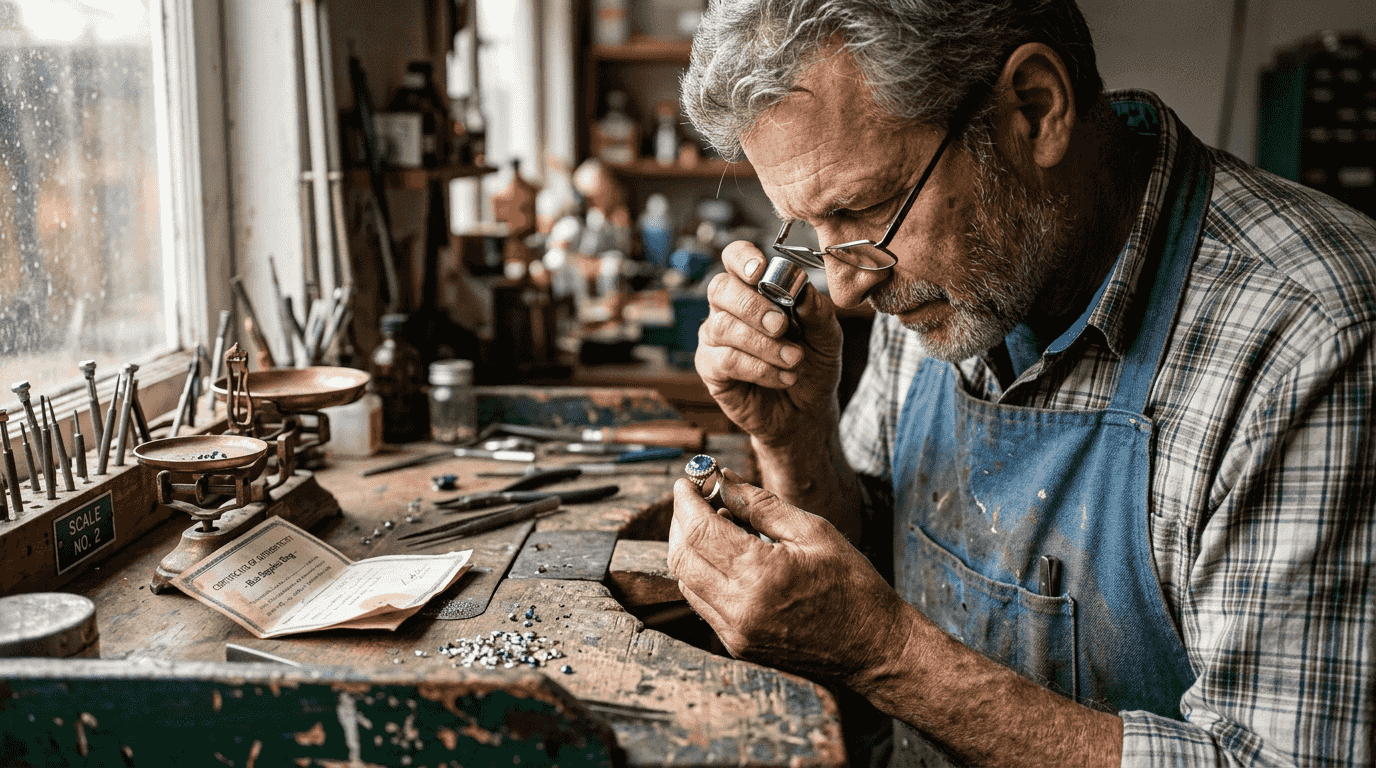
Craftsmanship standards matter just as much as materials. Examine prongs holding gemstones to ensure they’re secure and evenly spaced. Check clasps and closures for smooth operation. Inspect surfaces for consistent finishing without rough patches or visible solder marks. High-quality handcrafted jewelry demonstrates meticulous attention to these details.
Brand reputation provides another layer of confidence. Research customer reviews and look for transparent information about sourcing and production. Established brands with Los Angeles-based craftsmanship often maintain stricter quality controls. Understanding jewelry appraisal importance helps you protect your investment long term.
Pro Tip: Always review returns and repairs policies before purchasing, especially for bespoke pieces that may be exempt from standard returns. Clarify these terms upfront to avoid surprises.
Return and repair policies deserve careful scrutiny. Standard return windows typically span 14 to 30 days, but custom pieces follow different rules. Many sellers exclude personalized items from returns due to their unique nature. Ask about repair services, turnaround times, and whether the brand offers lifetime maintenance. These details protect your investment and ensure lasting satisfaction.
Questions to ask before buying
The right questions transform uncertainty into confidence. Start with metal specifics: What type of metal is used, and where does it originate? Ask whether the piece contains 14k gold, 18k gold, or sterling silver. Understanding metal composition helps you gauge durability and value. Some sellers blend metals for strength, so clarify the exact makeup.
Gemstone origins matter significantly. Inquire whether stones are natural, lab-created, or treated. Natural gemstones command higher prices but carry unique characteristics. Lab-created alternatives offer ethical sourcing and consistent quality at lower costs. Treated stones may have enhanced color or clarity, which affects long-term value. Transparency about these details builds trust.
Return, repair, and warranty terms require explicit confirmation. Ask about the return window, restocking fees, and whether custom modifications void warranties. Request written documentation of these policies. Understanding bespoke item exemptions prevents disappointment if you need to make changes later.
Customization limits and timelines need upfront discussion. If you’re pursuing the custom jewelry design process, ask how many revision rounds are included and what changes cost extra. Clarify production timeframes, especially for gifts with specific deadlines. Rush orders may incur additional fees, so plan accordingly.
Aftcare recommendations preserve your jewelry’s beauty. Ask what cleaning methods the seller recommends and how often professional maintenance is needed. Some metals and gemstones require specific care routines. For example, pearls need gentler handling than diamonds. Understanding what is custom jewelry helps you appreciate the unique care requirements.
Pro Tip: Create a written checklist of these questions and bring it to consultations or online chats. This ensures you cover every critical detail and can compare answers across different sellers.
Pricing transparency matters. Request itemized breakdowns showing material costs, labor, and design fees. This information helps you understand value and compare options fairly. Apply fine jewelry buying tips to evaluate whether pricing aligns with quality standards.
Insurance and appraisal availability should be confirmed. Ask if the seller provides appraisal documents suitable for insurance purposes. Some pieces require professional appraisals from independent gemologists. Knowing this upfront helps you budget for total ownership costs beyond the purchase price.
Comparing popular jewelry options
Metal choices form the foundation of any jewelry decision. Sterling silver offers affordability and versatility, perfect for everyday wear and minimalist styles. The sterling silver jewelry collection showcases how this metal complements both casual and formal occasions. Gold provides timeless elegance, with 14k offering durability for active lifestyles and 18k delivering richer color for special pieces.
Alternative metals like rose gold and white gold expand your options. Rose gold’s warm pink hue suits romantic styles and vintage aesthetics. White gold mimics platinum’s cool tone at a lower price point. Each metal requires different maintenance, with white gold needing periodic replating to maintain its finish.
Gemstone selection dramatically impacts appearance and budget. Diamonds remain the classic choice for engagement rings and statement pieces, available through the diamond jewelry collection. Colored gemstones like sapphires, rubies, and emeralds offer vibrant alternatives. The 14k color gemstone rings demonstrate how these stones create eye-catching designs.
Synthetic and lab-created options provide ethical and budget-friendly alternatives. These stones possess identical physical properties to natural gems but cost significantly less. They appeal to environmentally conscious buyers seeking conflict-free sourcing. Natural stones carry unique inclusions that some buyers prefer for their one-of-a-kind character.
Style categories help narrow your search:
- Minimalist designs feature clean lines and subtle elegance, ideal for daily wear and professional settings
- Statement pieces showcase bold gemstones or intricate metalwork, perfect for special occasions and evening events
- Vintage-inspired jewelry incorporates antique details and romantic flourishes, suited for those who love timeless aesthetics
- Modern geometric styles emphasize angular shapes and contemporary design, appealing to fashion-forward tastes
Price ranges vary dramatically based on materials and craftsmanship. Sterling silver pieces typically start around $50 to $200, while solid gold necklaces range from $300 to several thousand dollars. Diamond jewelry spans the widest spectrum, from $500 for small accent stones to $10,000+ for significant center stones.
| Jewelry Type | Metal Options | Gemstone Choices | Price Range | Best For |
|---|---|---|---|---|
| Everyday rings | Sterling silver, 14k gold | Small diamonds, sapphires | $100 to $800 | Daily wear, stacking |
| Statement necklaces | 14k gold, 18k gold | Large gemstones, diamonds | $500 to $5,000 | Special events, gifts |
| Stud earrings | Sterling silver, white gold | Diamonds, colored gems | $75 to $2,000 | Versatile occasions |
| Bracelets | Mixed metals, gold | Accent stones, no stones | $150 to $3,000 | Layering, solo wear |
Occasion suitability guides your final choice. Engagement rings demand durability and timeless appeal, making platinum or 14k gold with quality diamonds ideal. Anniversary gifts benefit from personalized touches like birthstones or engraving. Everyday jewelry should withstand regular wear, favoring sturdy metals and secure settings.
Gift recipient preferences require thoughtful consideration. Observe their existing jewelry style, metal color preferences, and lifestyle. Active individuals need durable pieces with secure closures. Those with sensitive skin may require hypoallergenic metals like platinum or high-karat gold.
Final tips for confident jewelry purchases
Documentation protects your investment and provides peace of mind. Before finalizing any purchase, verify that you receive complete certifications, receipts, and appraisal documents. These papers prove authenticity and establish value for insurance claims or future resale. Store digital and physical copies in secure locations.
Keep organized records of all jewelry-related paperwork:
- Original purchase receipts with itemized descriptions and seller contact information
- Gemological certificates from recognized laboratories detailing stone characteristics
- Appraisal documents updated every two to three years to reflect current market values
- Warranty cards and care instructions specific to your pieces
- Photos of your jewelry from multiple angles for insurance documentation
Repair options and timelines deserve advance planning. Ask sellers about their repair services, whether they handle work in-house or outsource to specialists. Understand typical turnaround times for common repairs like resizing, prong tightening, or replating. Some brands offer lifetime repair services, while others charge per incident. Knowing returns and repairs policies for bespoke items prevents future frustration.
Insurance coverage becomes essential for high-value pieces exceeding $1,000. Contact your homeowner’s or renter’s insurance provider to discuss jewelry riders or separate policies. Standard coverage often caps jewelry claims at $1,000 to $2,000, insufficient for significant investments. Specialized jewelry insurance covers loss, theft, and damage with minimal deductibles.
Professional appraisals establish accurate values for insurance purposes. Schedule appraisals every two to three years as precious metal and gemstone markets fluctuate. Choose independent, certified appraisers with gemological credentials. Their objective assessments carry more weight with insurance companies than seller-provided valuations.
Pro Tip: Photograph your jewelry against a ruler to document size and next to a color card to capture true gemstone hues. These images supplement written appraisals and help insurance adjusters process claims efficiently.
Trust your instincts while relying on objective criteria. If a deal seems too good to be true, investigate further before committing. Legitimate sellers welcome questions and provide transparent answers. Apply fine jewelry buying tips to validate your choices against industry standards.
Review the seller’s fine jewelry making process to understand their craftsmanship standards. Brands that openly share production details demonstrate confidence in their quality. Look for information about metal sourcing, stone selection criteria, and quality control measures.
Maintenance schedules preserve beauty and structural integrity. Schedule professional cleanings every six months for pieces worn regularly. Between appointments, clean jewelry at home using appropriate solutions. Remove jewelry before swimming, exercising, or applying beauty products. These simple habits extend lifespan significantly.
Budget realistically by including all ownership costs. Beyond the purchase price, factor in insurance premiums, periodic appraisals, and maintenance expenses. Setting aside 1% to 2% of the jewelry’s value annually covers these ongoing costs. This comprehensive approach prevents financial surprises and ensures your pieces remain protected.
Explore handcrafted fine jewelry at Malibu Vibes
Ready to apply your new knowledge? Malibu Vibes Jewelry offers an extensive collection of handcrafted fine jewelry that meets the quality standards outlined in this checklist. Every piece reflects meticulous Los Angeles-based craftsmanship and transparent sourcing practices. Explore the fine jewelry making process to see how dedication to quality shapes each design.
Browse diverse collections tailored to various styles and occasions. The sterling silver jewelry collection provides elegant everyday options, while the 14k color gemstone rings showcase vibrant statement pieces. Each collection demonstrates the versatility and beauty of handcrafted jewelry. Start your selection journey with confidence, knowing you have the tools to make informed decisions that reflect your unique style and values.
FAQ
Is it risky to buy bespoke or custom jewelry without a return policy?
Custom jewelry often comes with stricter return policies because pieces are made specifically for you. Many sellers exclude bespoke items from standard returns, so understanding these terms before ordering is critical. Request detailed design previews and approve each stage to minimize the risk of dissatisfaction. If returns aren’t available, ensure the seller offers modification options within a reasonable timeframe after delivery.
How can I verify the authenticity of a gemstone when buying online?
Request certified gemological reports from recognized laboratories like GIA or AGS that detail the stone’s characteristics. Ask sellers to provide high-resolution photos and videos showing the gemstone from multiple angles under different lighting conditions. Purchase only from reputable sellers with transparent return policies and authenticity guarantees. Learning how to identify quality gemstones empowers you to spot red flags before committing to a purchase.
What are the best practices for caring for handcrafted fine jewelry?
Store each piece separately in soft pouches or lined compartments to prevent scratches and tangling. Clean jewelry regularly using solutions recommended for specific metals and gemstones, avoiding harsh chemicals that can damage finishes. Remove jewelry before swimming, exercising, or applying lotions and perfumes to minimize exposure to damaging substances. Following fine jewelry buying tips includes understanding proper care routines that preserve beauty and structural integrity for years.
Recommended
- Determine jewelry quality with expert tips in 2026 – Malibu Vibes Jewelry
- Fine Jewelry Buying Tips for High-Quality Selections – Malibu Vibes Jewelry
- 2025 jewelry style trends: Elevate your luxury look – Malibu Vibes Jewelry
- 7 Jewelry Trends for 2025 You Need to Know – Malibu Vibes Jewelry
- 7 Essential Tips for Collecting Vintage Jewellery