

TL;DR:
- Gold engagement rings are categorized by karat purity and color, affecting durability, appearance, and maintenance needs. While 14K and 18K gold are most popular for daily wear, the choice between yellow, white, or rose gold depends on personal style and upkeep willingness. Selecting the right combination involves assessing lifestyle, budget, and aesthetic preferences to find a timeless, practical ring.
Types of gold engagement rings are defined by two factors: karat purity and gold color, which together determine a ring’s durability, appearance, and suitability for daily wear. Most couples shopping for an engagement ring encounter 10K, 14K, and 18K gold, each representing a different percentage of pure gold content. Yellow, white, and rose gold then add a second layer of choice that shapes the ring’s look and maintenance needs. Resources like GIA (Gemological Institute of America), Blue Nile, and Shane Co. all frame their ring education around these same two axes. Getting both decisions right means you end up with a ring that looks beautiful on day one and still holds up after years of daily wear.
What are the different types of gold engagement rings by karat?
Karat is the unit that measures gold purity, and it directly controls how hard, how valuable, and how rich-looking your ring will be. 10K, 14K, and 18K gold correspond to 41.7%, 58.3%, and 75% pure gold content, with the remaining percentage made up of alloy metals like copper, zinc, and silver. More alloy means a harder ring. More gold means a richer color and a higher price tag.
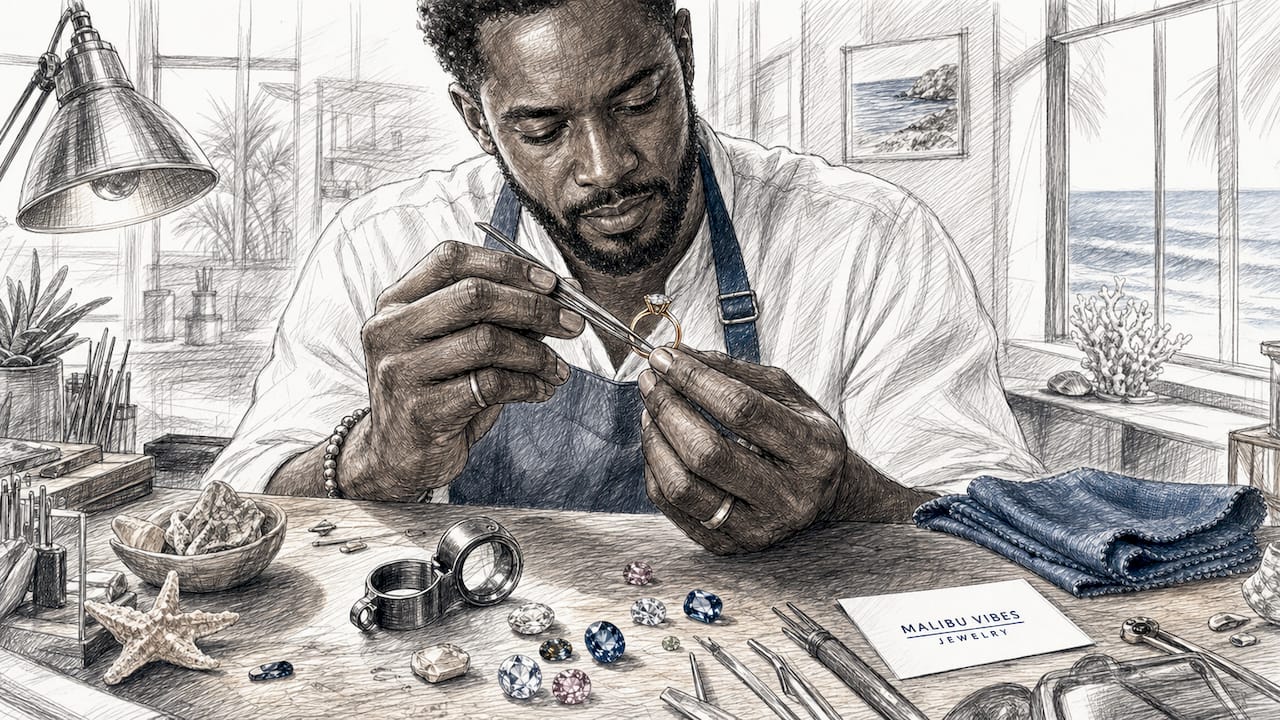
24K gold is nearly pure but too soft for a ring worn every day. It bends, scratches, and deforms under normal use, which is why jewelers almost never set diamonds or gemstones in it. The practical sweet spot for engagement rings sits between 14K and 18K.
14K and 18K gold are the two most popular choices for engagement rings because they balance durability, value, and visual appeal. Expert jewelers consistently recommend 14K gold for daily wear because its higher alloy content resists scratching better than 18K, while still delivering a warm, rich gold tone. 18K suits buyers who want maximum gold richness and plan to treat the ring with extra care.
Pro Tip: If your partner works with their hands or leads an active lifestyle, 14K is the smarter pick. The added alloy metals make it noticeably more scratch-resistant than 18K without any visible difference in everyday wear.
Here is a quick comparison to anchor your decision:
| Karat | Pure gold content | Hardness | Best for |
|---|---|---|---|
| 10K | 41.7% | Highest | Budget buyers, high-activity wear |
| 14K | 58.3% | High | Daily wear, best value balance |
| 18K | 75% | Moderate | Luxury look, occasional wear |
| 24K | 99.9% | Very low | Collectibles, not rings |
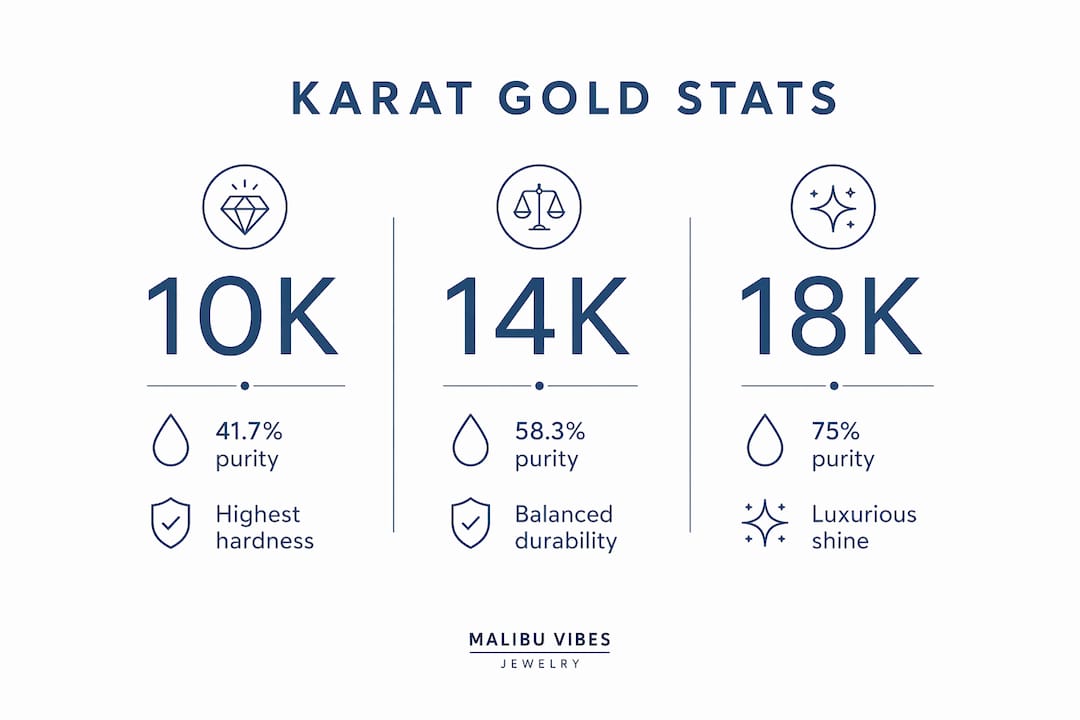
The table makes one thing clear: karat choice balances purity versus practicality, and there is no universally correct answer. Your lifestyle and budget set the boundary, and then you choose within it.
How do yellow, white, and rose gold differ for engagement rings?
Gold color is determined entirely by the alloy metals mixed into the gold, not by the karat level. This is the distinction that confuses most buyers. You can have an 18K yellow gold ring and an 18K white gold ring with identical purity, but completely different appearances and care requirements.
Gold color variations arise from specific alloy mixes: yellow gold uses silver and copper to preserve the classic warm tone, white gold uses palladium or nickel to neutralize the yellow, and rose gold uses a higher copper ratio to create its signature warm pink blush. Each color suits different skin tones and personal styles, and maintenance differs significantly across the three.
Here is what you need to know about each color before you buy:
- Yellow gold delivers the most traditional look and requires the least maintenance. Its color does not fade or change over time, making it genuinely low-effort for daily wear. It flatters warm and olive skin tones most naturally.
- White gold achieves its bright, platinum-like finish through rhodium plating. That plating wears off over time and needs to be reapplied every one to two years, adding an ongoing maintenance cost most buyers do not anticipate. It pairs well with cool and fair skin tones.
- Rose gold gets its color from copper alloys, which also add a slight durability advantage. Rose gold engagement rings are rising in popularity in 2026 for their warm, vintage-adjacent tone that flatters virtually every skin tone. It requires no plating and holds its color naturally.
Pro Tip: White gold looks stunning in photos and in-store lighting, but factor in the cost of rhodium replating before you commit. A jeweler typically charges between $50 and $150 per replating, and most white gold rings need it within 12 to 18 months of regular wear.
The care and long-term look of any gold ring depends on consistent cleaning, professional inspections, and, for white gold specifically, plating upkeep. Choosing a color you love is only half the decision. Choosing one you are willing to maintain is the other half.
What are the popular styles of gold engagement rings?
Ring style refers to the setting design and overall silhouette, and it interacts directly with your karat and color choice. Popular engagement ring styles include solitaire, halo, vintage, and crown-inspired designs, each pairing differently with gold types in terms of both aesthetics and structural demands.
A solitaire setting places a single stone on a plain or tapered band. It is the most timeless gold engagement ring style and works in any gold color. Yellow gold solitaires with round brilliant diamonds are the most classic combination in fine jewelry. White gold solitaires with princess-cut or cushion-cut stones have dominated the last decade of engagement ring sales.
Halo settings surround the center stone with a ring of smaller diamonds or gemstones. They amplify the visual size of the center stone and work especially well in white gold, where the metal disappears into the diamond halo for a seamless look. Rose gold halos with oval or pear-shaped stones are one of the strongest trends heading into 2026.
Vintage and crown-inspired styles use intricate metalwork, milgrain detailing, and geometric patterns that showcase the gold itself as a design element. These styles shine in yellow gold and rose gold, where the warm tones complement the ornate craftsmanship. 18K yellow gold is particularly popular for vintage settings because its richer color enhances the antique aesthetic.
Here is a quick style-to-gold pairing reference:
- Solitaire: Works in all gold colors. Yellow gold for classic, white gold for modern, rose gold for romantic.
- Halo: Best in white gold for a seamless look, or rose gold for a warm, fashion-forward feel.
- Vintage/Art Deco: Yellow gold and rose gold bring out the detail work. 18K adds richness.
- Crown/Tiara: Rose gold and yellow gold amplify the regal feel. Pairs well with oval and marquise cuts.
- Three-stone: All gold colors work. White gold highlights the stones; yellow and rose gold frame them warmly.
Diamond shape and setting style influence the durability of the gold ring itself. Prong settings in 14K gold hold stones more securely over time than the same setting in 18K, because the harder alloy resists prong wear. Bezel settings in any karat offer the most protection for the stone and the metal alike.
How to choose the right type of gold engagement ring for your lifestyle and budget
Choosing the right ring comes down to four practical questions: How active is your partner’s lifestyle? What is your maintenance tolerance? What is your budget? What is their personal style?
Work through them in this order:
- Assess daily wear demands. Active lifestyles, hands-on jobs, or frequent gym use call for 14K gold over 18K. The higher alloy content in 14K resists scratching and bending better under physical stress.
- Decide on a color based on maintenance willingness. Yellow gold and rose gold are genuinely low-maintenance. White gold requires periodic rhodium replating. If your partner is not the type to schedule jewelry maintenance appointments, yellow or rose gold is the more practical choice.
- Set a realistic budget. 10K gold is the most affordable but carries a slightly less rich color. 14K hits the best value point for most buyers. 18K costs more for the same ring design due to higher gold content, with a modest reduction in durability.
- Match the style to your partner’s wardrobe and taste. Someone who wears silver-toned jewelry daily will likely prefer white gold. Someone drawn to warm tones and vintage fashion will feel at home with rose or yellow gold.
Pro Tip: Before you buy, look at the jewelry your partner already wears every day. The metal color they gravitate toward in their existing collection is almost always the right answer for their engagement ring.
Buyers often confuse karat and gold color as the same decision, but they operate independently. You can have a durable, affordable 14K ring in any color you want. Separating these two choices makes the whole process significantly less overwhelming.
Key takeaways
The best gold engagement ring combines the right karat for durability with the right color for personal style and maintenance tolerance.
| Point | Details |
|---|---|
| Karat determines durability | 14K gold offers the best balance of hardness, value, and appearance for daily wear. |
| Color is an alloy decision | Yellow, white, and rose gold differ in alloy composition, not purity level. |
| White gold needs maintenance | Rhodium plating on white gold wears off and requires periodic professional reapplication. |
| Rose gold is gaining ground | Its copper alloy gives it both a warm vintage tone and a slight durability edge. |
| Style and karat interact | Intricate vintage settings benefit from 18K richness; active-wear rings need 14K hardness. |
What I’ve learned from watching couples choose gold rings
After years of observing how couples approach this decision, the single most consistent mistake is treating karat and color as one choice instead of two. A buyer walks in wanting “white gold” and leaves with an 18K white gold ring because it sounds more luxurious, without realizing that 18K is softer and that the white color requires replating regardless of karat. They have paid more for a ring that needs more care.
My honest recommendation for most couples in 2026 is 14K gold in whichever color genuinely reflects the wearer’s style. The 14K vs 18K comparison almost always tips toward 14K when durability and value are both on the table. The color choice, though, is deeply personal and worth spending real time on.
Rose gold is the most interesting option right now. Its copper-driven warmth photographs beautifully, suits almost every skin tone, and requires zero special maintenance. I have watched it go from a niche preference to a genuine first choice for couples who want something that feels current without being trendy in a way that will look dated in ten years.
The one piece of advice I give every couple: do not buy a ring based on how it looks in a display case under jewelry store lighting. Ask to see it outside, in natural light, on the actual hand it will live on. That is the only test that matters.
— Ara
Find your perfect gold ring at Malibuvibesjewelry
Malibuvibesjewelry crafts every ring from its Los Angeles studio with a commitment to quality over volume. Whether you are drawn to the warm richness of 14K yellow gold, the modern edge of white gold, or the romantic blush of rose gold, the collection covers every color and style discussed in this guide. Browse the 14K gemstone ring collection to see how gold color and stone choice work together in finished pieces. If you want to understand what goes into each ring before you buy, the fine jewelry process page walks you through every step from metal selection to final polish. Knowing how a ring is made makes choosing one significantly easier.
FAQ
What karat gold is best for an engagement ring?
14K gold is the most recommended karat for engagement rings because it balances durability, gold content, and price. Its higher alloy percentage makes it harder than 18K, which matters for a ring worn every day.
What is the difference between white gold and yellow gold?
White gold and yellow gold share the same karat purity but differ in alloy composition. White gold uses palladium or nickel to neutralize the yellow tone and requires rhodium plating to maintain its bright finish, while yellow gold holds its color naturally without any additional treatment.
Are rose gold engagement rings durable?
Rose gold engagement rings are among the more durable gold options because copper, the primary alloy, adds hardness to the metal. The color also holds naturally over time without any plating or special maintenance.
Is 18K gold too soft for daily wear?
18K gold is softer than 14K because it contains 75% pure gold with less hardening alloy. It is suitable for daily wear with reasonable care, but buyers with active lifestyles or hands-on jobs are better served by 14K.
What gold color suits all skin tones?
Rose gold is widely considered the most universally flattering gold color because its warm copper-pink tone complements both cool and warm skin tones. Yellow gold flatters warm and olive tones most naturally, while white gold tends to suit fair and cool-toned skin.
Recommended
- Gold Wedding Rings: Your 2026 Style and Buying Guide – Malibu Vibes Jewelry
- Engagement Ring Styles List: Your 2026 Style Guide – Malibu Vibes Jewelry
- Rose gold vs yellow gold engagement ring guide 2026 – Malibu Vibes Jewelry
- Modern engagement ring styles: top types & trends 2026 – Malibu Vibes Jewelry