

Choosing between a rose gold and yellow gold engagement ring can feel overwhelming when you’re trying to balance timeless style with personal taste. Both metals offer unique beauty and durability, but their differences in composition, color warmth, and how they complement your skin tone matter more than you might think. Understanding what sets these two popular gold options apart will help you select a ring that reflects your aesthetic and stands up to everyday wear. This guide breaks down the key distinctions so you can make a confident, informed choice in 2026.
Table of Contents
- Understanding The Composition And Durability Of Rose And Yellow Gold
- Style, Skin Tone, And Personal Preference: Choosing The Right Gold Color For Your Engagement Ring
- Rose Gold Vs Yellow Gold Engagement Ring: Side By Side Comparison
- Making Your Choice: Practical Tips For Selecting Rose Or Yellow Gold Engagement Rings
- Explore Stunning Rose And Yellow Gold Engagement Rings At Malibu Vibes Jewelry
- Frequently Asked Questions About Rose Gold Vs Yellow Gold Engagement Rings
Key takeaways
| Point | Details |
|---|---|
| Rose gold’s pink hue | Higher copper content creates the warm, romantic pink tone that defines rose gold rings. |
| Yellow gold’s classic color | Copper and silver alloys combine with pure gold to produce the traditional yellow luster. |
| Karat affects durability | 14K gold offers greater strength for daily wear, while 18K provides richer color but softer metal. |
| Skin tone influences choice | Yellow gold flatters warm tones, rose gold complements cooler complexions beautifully. |
| Both metals are durable | Properly alloyed rose and yellow gold withstand daily engagement ring wear without issue. |
Understanding the composition and durability of rose and yellow gold
The fundamental difference between rose and yellow gold lies in their alloy composition. Yellow gold is alloyed with copper and silver to enhance durability while maintaining its signature warm hue. Rose gold achieves its distinctive pink color through a higher percentage of copper mixed with pure gold, creating that romantic blush tone so popular in modern engagement rings.
Karat level directly impacts both the color intensity and structural integrity of your ring. Pure gold is too soft for daily wear, so jewelers mix it with other metals to create durable alloys. A 14K gold ring contains 58.3% pure gold, while 18K contains 75% pure gold. The karat composition affects color richness and how well the metal holds up over time. Understanding the difference between 14k and 18k gold helps you balance beauty with practicality.
| Metal Type | Pure Gold Content | Primary Alloys | Color Intensity | Durability Rating |
|---|---|---|---|---|
| 14K Rose Gold | 58.3% | Copper (high), silver | Medium pink | Excellent |
| 18K Rose Gold | 75% | Copper (high), silver | Deep pink | Good |
| 14K Yellow Gold | 58.3% | Copper, silver | Medium yellow | Excellent |
| 18K Yellow Gold | 75% | Copper, silver | Rich yellow | Good |
The copper content in rose gold not only creates its color but also increases hardness. Yellow gold’s balanced alloy provides classic beauty with reliable strength. Both metals resist tarnishing when properly cared for, making them excellent choices for rings you’ll wear every day.
When deciding between karats, consider your lifestyle. Active hands benefit from 14K gold’s superior scratch resistance. If you prioritize color depth and don’t mind occasional maintenance, 18K offers stunning richness. Learning about gold karat differences and the carat vs karat jewelry difference ensures you understand exactly what you’re purchasing.
Pro Tip: Choosing 14K gold offers greater durability for everyday wear while 18K provides richer color depth but requires more gentle handling to prevent scratches and dents.
Style, skin tone, and personal preference: choosing the right gold color for your engagement ring
Your skin’s undertone plays a surprisingly significant role in which gold color looks most flattering. Yellow gold naturally complements warm skin tones, those with peachy, golden, or olive undertones. The rich yellow hue enhances the warmth in your complexion, creating a harmonious, glowing effect. Rose gold, with its pink copper tones, beautifully flatters cooler skin with pink, red, or blue undertones.
Yellow gold offers a classic look while rose gold provides a romantic and modern aesthetic, making personal style equally important as skin tone. If you gravitate toward vintage inspired pieces and timeless elegance, yellow gold’s traditional appeal might resonate more. Rose gold suits contemporary tastes and adds a soft, feminine touch that stands out without overwhelming.
Consider these style indicators when choosing your metal:
- Classic, traditional style pairs naturally with yellow gold’s heritage appeal
- Modern, trendy aesthetics align with rose gold’s contemporary popularity
- Romantic, soft personalities often prefer rose gold’s warm blush tones
- Bold, statement lovers may choose yellow gold for its striking presence
- Minimalist designs work beautifully in either metal depending on skin tone
Your existing jewelry collection offers valuable clues. If you primarily wear yellow gold pieces, continuing that theme creates cohesion. Mixed metal lovers can confidently choose either option, as both rose and yellow gold pair well with white metals in stacked or layered looks. Exploring yellow gold vs white gold rings can further clarify your metal preferences.
The gemstone you select also influences which gold color works best. Diamonds sparkle brilliantly against both metals, but colored stones create different effects. Warm toned gems like morganite, citrine, and champagne diamonds glow against rose gold. Sapphires, emeralds, and aquamarines pop against yellow gold’s contrasting warmth. Browse 14k color gemstone rings to see how different stones interact with various gold colors.
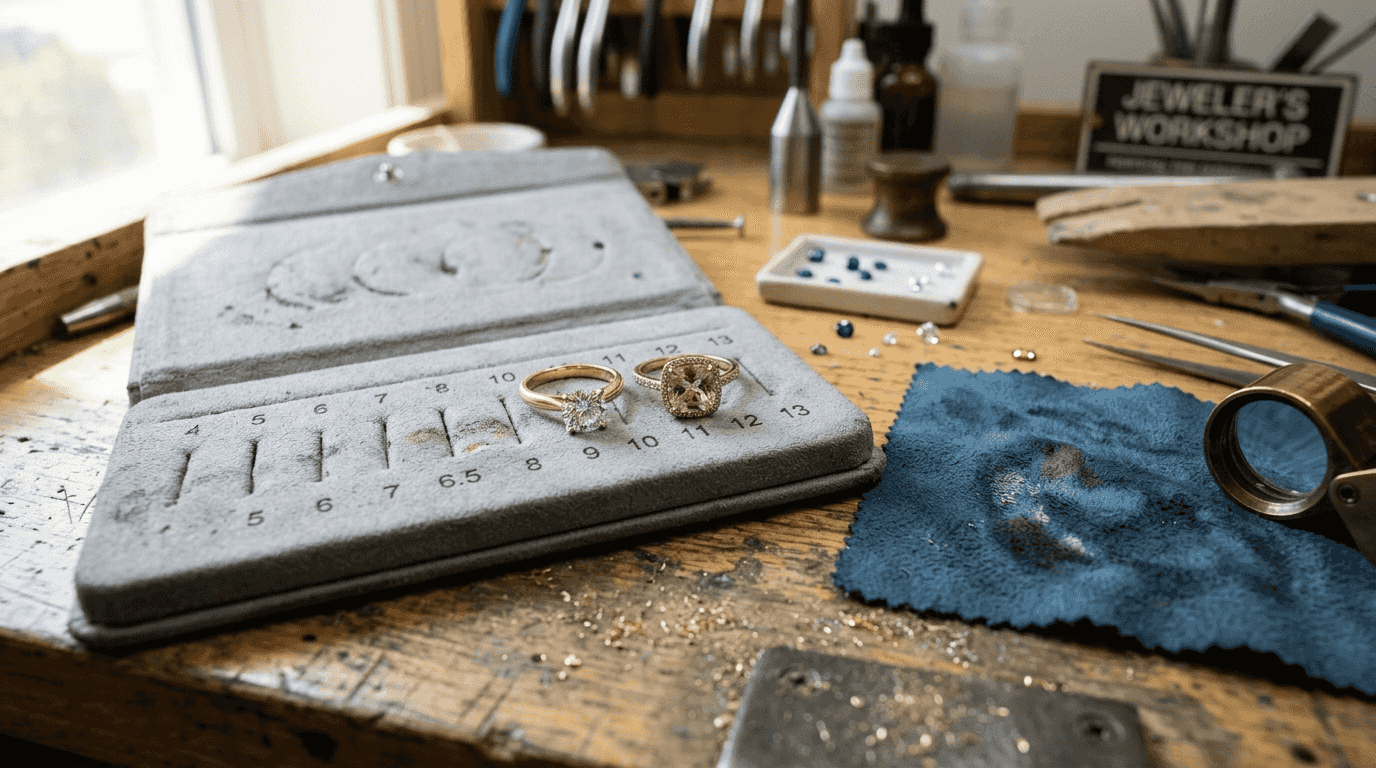
Pro Tip: Try on both rose and yellow gold rings under natural daylight to see which metal truly harmonizes with your skin tone, as indoor lighting can distort how colors appear on your hand.
Understanding types of gold rings luxury craftsmanship helps you appreciate the artistry behind each piece, regardless of color choice.
Rose gold vs yellow gold engagement ring: side by side comparison
Comparing these metals directly clarifies their practical differences beyond aesthetics. This breakdown covers the attributes that matter most when you’re investing in an engagement ring you’ll wear for decades.
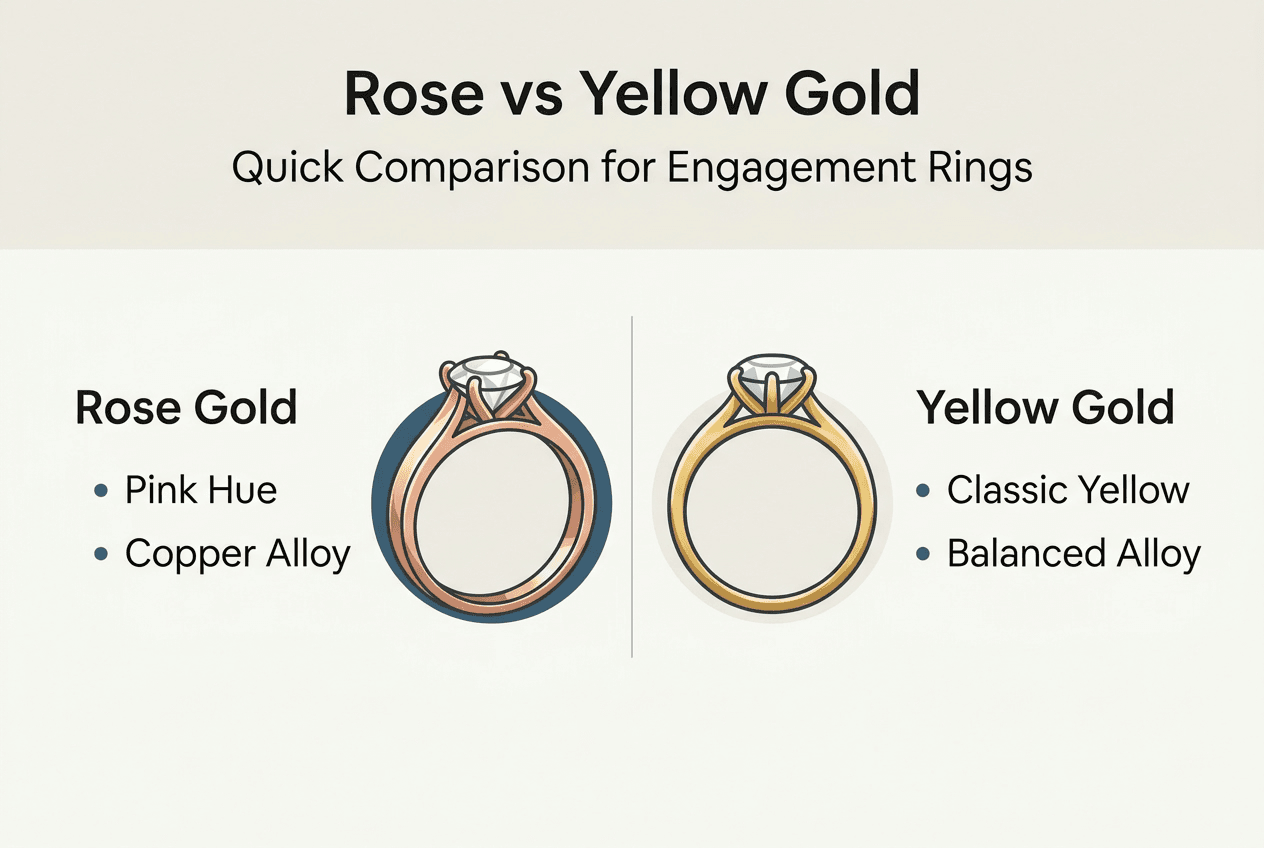
| Attribute | Rose Gold | Yellow Gold |
|---|---|---|
| Color Tone | Warm pink with copper blush | Rich, classic yellow |
| Durability | Excellent, copper strengthens alloy | Excellent, balanced alloy composition |
| Price Range | Comparable, varies by karat and design | Comparable, varies by karat and design |
| Maintenance | Occasional polishing for patina | Regular cleaning maintains luster |
| Popularity Trend | Increasingly popular, modern appeal | Timeless, consistently favored |
| Scratch Visibility | Scratches blend into warm tone | Scratches more visible on surface |
Rose gold’s higher copper content creates natural durability advantages. The copper alloy increases hardness without compromising the metal’s workability for intricate designs. Yellow gold’s traditional alloy balances strength with malleability, allowing jewelers to craft detailed settings and delicate bands.
Key pros and cons help frame your decision:
- Rose gold hides minor scratches better due to its consistent color throughout the alloy
- Yellow gold requires more frequent polishing to maintain its bright, reflective finish
- Rose gold may develop a subtle patina over time, adding vintage character some love
- Yellow gold offers broader resale recognition as the traditional engagement ring metal
- Rose gold’s trendy status means styles evolve quickly, though classic designs remain timeless
- Yellow gold’s heritage appeal ensures it never goes out of style across generations
Maintenance needs differ slightly between the two. Both metals benefit from gentle cleaning with mild soap and a soft cloth every few weeks. Rose gold’s copper can oxidize minimally over years, creating a deeper, richer tone some find appealing. If you prefer the original bright pink, professional polishing once yearly restores the initial color. Yellow gold maintains its hue more consistently but shows oils and dirt more readily, requiring more frequent at home cleaning.
Price differences between rose and yellow gold typically reflect design complexity and karat level rather than the metal itself. Both cost similarly when comparing identical karat weights and craftsmanship. Your budget stretches equally far with either choice. Comparing yellow vs white gold rings reveals how different gold colors affect overall ring cost.
For inspiration, a morganite engagement ring 14k rose gold showcases how rose gold enhances pink toned gemstones beautifully, while yellow gold creates stunning contrast with cooler colored stones.
Making your choice: practical tips for selecting rose or yellow gold engagement rings
Applying what you’ve learned requires a systematic approach that balances emotion with practicality. Follow these steps to narrow your decision confidently:
- Assess your personal style by reviewing your current jewelry and clothing color preferences
- Determine your skin undertone by checking vein color or how silver versus gold looks on you
- Set a realistic budget that accounts for the ring setting, center stone, and metal choice
- Evaluate your lifestyle and how much wear your ring will endure daily
- Consider long term maintenance willingness and whether you prefer frequent polishing or minimal upkeep
- Visit jewelers to try both metals on your hand under various lighting conditions
Personal style and skin tone ultimately guide most successful choices. Trust your initial reaction when you see each metal on your finger. The right choice often feels immediately apparent once you compare them side by side.
Lifestyle factors that should influence your metal selection include:
- Active careers or hobbies that expose rings to impacts favor 14K gold’s durability
- Sensitive skin may react to certain alloys, though pure gold content minimizes this risk
- Frequent hand washing or sanitizer use affects how quickly metals show wear
- Climate and humidity levels can influence how metals age and patina over time
- Personal tolerance for visible scratches versus preference for pristine appearance
Pro Tip: Consider matching your engagement ring metal with other jewelry you wear daily, like your watch or favorite necklace, to create a cohesive, intentional look that feels polished.
Consulting with experienced jewelers provides invaluable insight into alloy quality and finishing techniques. Ask about the specific copper and silver ratios in their rose and yellow gold offerings. Inquire whether they use nickel in their alloys, as some people develop sensitivities. Understanding the difference between 14k and 18k gold helps you ask informed questions about durability trade offs.
Don’t rush this decision. Wear test rings for a few hours if possible to see how each metal feels and looks as you move through your day. Notice which color you forget you’re wearing versus which constantly catches your eye. Both reactions offer valid guidance. Browse the complete rings collection to see how different designs showcase each metal’s unique character.
Explore stunning rose and yellow gold engagement rings at Malibu Vibes Jewelry
Now that you understand the distinctions between rose and yellow gold, discovering the perfect ring becomes an exciting next step. Malibu Vibes Jewelry offers a carefully curated selection of engagement rings in both metals, each piece showcasing the exceptional craftsmanship our Los Angeles studio is known for.

Our rings collection features designs ranging from classic solitaires to contemporary halo settings, all available in your choice of rose or yellow gold. Each ring reflects our commitment to quality over quantity, with attention to detail that ensures your engagement ring becomes a cherished heirloom. Explore the fine jewelry making process to see how our artisans transform precious metals into wearable art.
Whether you’re drawn to the romantic warmth of rose gold or the timeless elegance of yellow gold, our bezel jewelry collection includes unique settings that protect your center stone while showcasing the beauty of your chosen metal. Every piece is crafted to withstand daily wear while maintaining the stunning appearance you fell in love with.
Frequently asked questions about rose gold vs yellow gold engagement rings
Are rose gold engagement rings durable enough for daily wear?
Yes, rose gold’s higher copper content increases durability, making it excellent for engagement rings worn every day. The copper alloy strengthens the metal without compromising its beauty. Rose gold withstands daily activities, impacts, and exposure as well as yellow gold when properly alloyed at 14K or 18K.
Can yellow gold or rose gold cause skin allergies?
Skin reactions to properly alloyed rose or yellow gold are uncommon. Nickel allergies occasionally occur if nickel is used in the alloy, though reputable jewelers avoid this. Higher karat gold contains more pure gold and fewer alloy metals, reducing potential sensitivity. If you have known metal allergies, request nickel free alloys and consider the difference between 14k and 18k gold for your skin’s needs.
How do you maintain the shine of rose gold compared to yellow gold?
Both metals benefit from regular gentle cleaning using mild soap, warm water, and a soft cloth. Rose gold’s copper may develop a subtle patina over years, adding vintage character but requiring occasional professional polishing to restore original brightness. Yellow gold maintains its color more consistently but shows fingerprints and oils more readily, needing more frequent at home cleaning to preserve its reflective luster.
Is it best to match wedding bands to the engagement ring’s gold color?
Matching your wedding band to your engagement ring’s gold color creates a cohesive, traditional look that many prefer. However, mixing rose and yellow gold can be stylish and modern when done thoughtfully. Some couples choose complementary metals to add visual interest. The decision depends entirely on your aesthetic preference and whether you value uniformity or creative contrast in your bridal set.
Recommended
- Yellow vs White Gold Rings: Choosing Your Best Match – Malibu Vibes Jewelry
- Yellow Gold vs White Gold Rings—Style and Value – Malibu Vibes Jewelry
- Gold vs White Gold Rings: Style and Durability Impact – Malibu Vibes Jewelry
- 14K Gold Gemstone Rings | Solid Gold Ruby, Emerald & Sapphire Rings – Malibu Vibes Jewelry
- Vintage Gold Ball Cluster Necklace | My Vintage