

TL;DR:
- A solitaire diamond features a single stone set alone to maximize light return and sparkle. Its simple design symbolizes exclusivity, commitment, and personal achievement, making it versatile for various jewelry types. Setting style and metal choice impact both appearance and practicality, with quality cut being the most important factor for beauty.
A solitaire diamond is defined as a single diamond set alone in a piece of jewelry, with no side stones competing for attention. The word “solitaire” translates directly to “alone,” and that solitude is the entire point. A single stone setting maximizes light return and sparkle by removing every visual distraction. You will find solitaire diamonds in rings, necklaces, earrings, and bracelets, though the engagement ring remains the most iconic application. Whether you are buying for yourself or someone else, understanding what makes this design work will help you choose with confidence.
What makes a solitaire diamond different from other settings?
A solitaire diamond ring features one diamond on a plain band, with nothing else present to compete with the stone. That simplicity is a deliberate design choice, not a limitation. Fine jewelry solitaires rely entirely on diamond quality and setting to deliver visual impact, which means every facet of the stone does real work.
Compare that to a halo setting, where smaller accent diamonds surround the center stone to create the illusion of greater size. Or a three-stone ring, where two flanking diamonds share the spotlight. Both styles are beautiful, but they distribute visual weight across multiple stones. A solitaire concentrates everything on one diamond.
The table below shows how solitaire compares to the two most popular alternative settings:
| Setting style | Center stone focus | Side stones | Best for |
|---|---|---|---|
| Solitaire | Maximum | None | Showcasing diamond quality |
| Halo | Moderate | Many small stones | Creating size illusion |
| Three-stone | Shared | Two flanking stones | Symbolic storytelling |
The aesthetic versatility of solitaires extends well beyond rings. A solitaire diamond pendant on a gold chain reads as formal at a dinner and understated at the office. Solitaire stud earrings work the same way. That range makes the design one of the most practical choices in fine jewelry.
Key solitaire diamond features that set this style apart:
- Single stone focus: All light and attention go to one diamond.
- Unobstructed brilliance: No surrounding stones block light from entering the diamond.
- Timeless silhouette: The design does not follow trends, so it never looks dated.
- Easier maintenance: Fewer prongs and no side stones mean less cleaning complexity.
- Setting flexibility: Works in prong, bezel, and tension styles across multiple jewelry types.
Pro Tip: If you want the diamond to look its largest, choose a solitaire with a thin band. A narrow band creates contrast that makes the center stone appear bigger without adding carat weight.
What is the symbolic meaning behind solitaire diamonds?
The solitaire diamond symbolizes one love, undivided and complete, focused entirely on one person. That symbolism has persisted for over a century and remains recognized across cultures worldwide. The single stone is not just a design choice. It is a statement about exclusivity and commitment.
“A solitaire diamond does not need anything added to it. Its power comes from what is not there.”
That idea of completeness through simplicity runs through every cultural tradition that uses solitaire rings. The diamond itself reinforces the message. Diamonds are the hardest natural material on earth, which makes them a natural metaphor for enduring love and permanence.
The symbolism has expanded significantly in 2026. Modern buyers choose solitaire rings to mark personal achievements, career milestones, and acts of self-love, not just engagements. A woman buying herself a solitaire ring after a promotion is making a statement about personal strength and autonomy. That shift has broadened the market and deepened the meaning.
Reasons buyers choose solitaire diamonds today:
- Romantic commitment: The classic engagement ring, representing undivided love.
- Personal milestones: Graduations, promotions, and anniversaries.
- Self-expression: A deliberate choice to wear something meaningful every day.
- Inheritance and legacy: Solitaires are often passed down because their design never ages.
The solitaire’s singular presence makes it equally at home on a ring finger, a necklace chain, or an ear. That versatility is part of why the symbolism travels so well across different jewelry types and life occasions. You can find more on how this design reflects personal identity in modern solitaire styles.
How do solitaire diamond ring designs and settings vary?
The setting is the structure that holds the diamond, and it shapes both the look and the practicality of the piece. Three setting styles dominate solitaire design: prong, bezel, and tension. Each one makes a different trade-off between security, light exposure, and visual style.
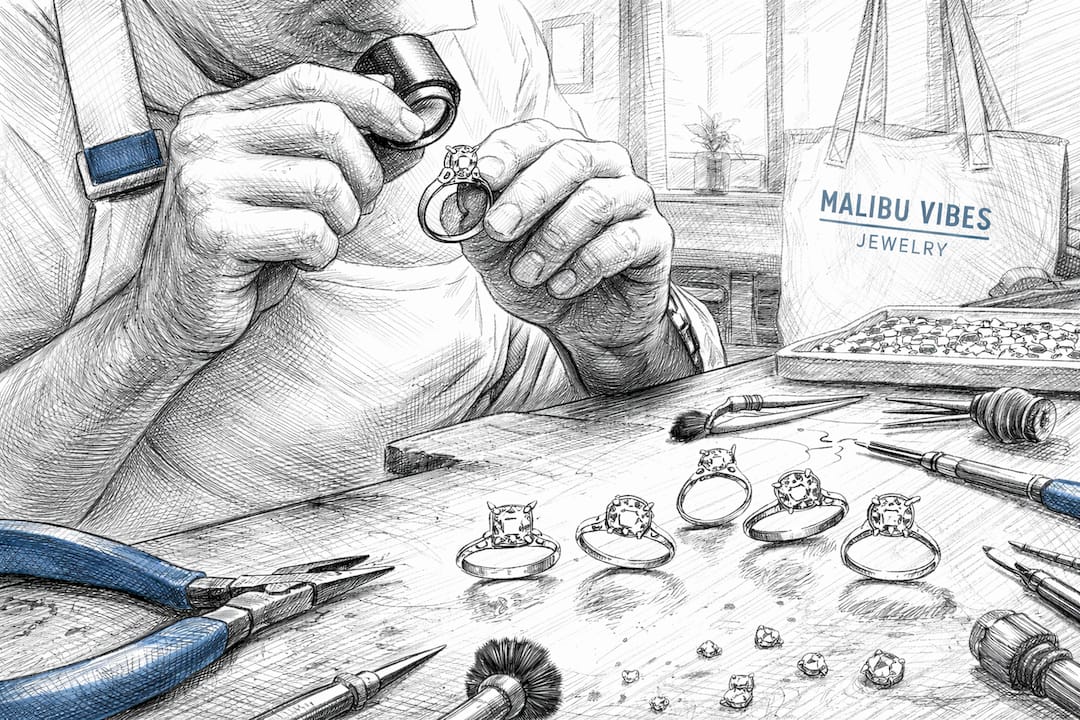
Prong settings use thin metal claws, typically four or six, to grip the diamond from the sides. This exposes the maximum amount of the stone to light, which produces the most brilliant sparkle. The trade-off is that prongs can catch on fabric and require periodic tightening by a jeweler.
Bezel settings wrap a thin metal rim around the entire girdle of the diamond. The stone sits lower and is fully protected on all sides. This is the best choice for buyers with active lifestyles or physical jobs. The bezel setting’s lower profile reduces snagging risk but slightly limits light entry compared to prongs. You can browse bezel solitaire options to see how this style translates across different metals.
Tension settings use the pressure of the metal band itself to hold the diamond suspended between two sides. The effect is dramatic and modern. However, tension settings require precise sizing and are harder to resize later.
Metal choice matters just as much as setting style. The three most common options are:
- 14k gold: Durable, warm in tone, and the most popular choice for fine jewelry in the United States.
- Platinum: Heavier and more resistant to wear than gold, with a cool white color that complements colorless diamonds.
- Sterling silver: Lightweight and affordable, with a bright finish that suits everyday wear. Sterling silver solitaire rings offer accessible luxury without sacrificing classic beauty.
Setting height is a practical consideration that buyers often overlook. A high-profile setting lifts the diamond far above the band, which maximizes light reflection and visual drama. A low-profile setting keeps the stone closer to the finger, which improves comfort and reduces the chance of the ring catching on things. The right height depends on your daily routine.
Pro Tip: If you plan to wear a wedding band alongside a solitaire engagement ring, choose a low-profile or flat-base setting. High-profile prong settings often leave a gap between the two rings, which can feel uncomfortable and look uneven.
How to choose and care for a solitaire diamond piece
The four quality factors that determine a diamond’s beauty and value are cut, clarity, color, and carat. These are known in the industry as the Four Cs, and they apply directly to solitaire diamonds. Because a solitaire has no side stones to distract the eye, the quality of the center diamond is fully exposed.
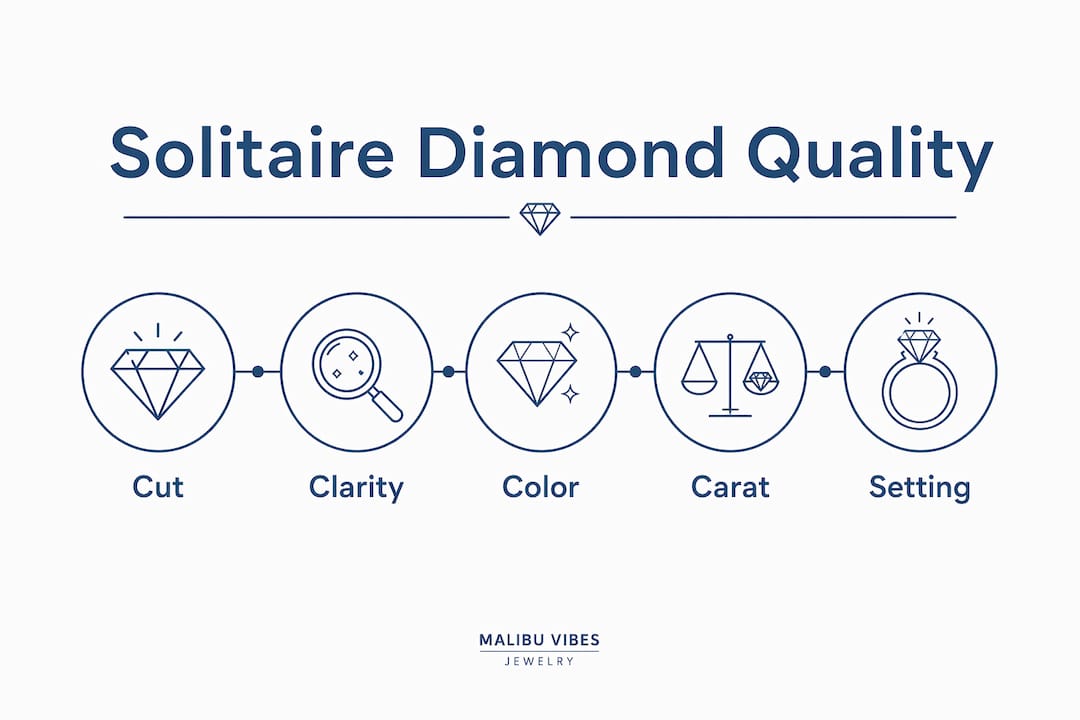
Cut is the most important of the four. A smaller, excellently cut solitaire will outshine a larger diamond with a poor cut. Cut determines how light enters and exits the stone, which controls the brilliance you actually see. Prioritize cut grade above carat weight when your budget requires a trade-off.
A practical buying checklist for solitaire diamonds:
- Set a cut grade minimum. Look for Excellent or Very Good cut grades from grading labs like the Gemological Institute of America (GIA) or the American Gem Society (AGS).
- Choose color based on metal. Diamonds in yellow gold settings look warmer, so a G or H color grade reads as white. Platinum settings show color more clearly and benefit from D through F grades.
- Evaluate clarity in person. Many inclusions are invisible to the naked eye. An SI1 or SI2 clarity grade often looks identical to a flawless stone without magnification.
- Match carat to finger size. A 1-carat round diamond looks proportional on most finger sizes. Elongated shapes like oval or marquise appear larger per carat than round stones.
- Request a grading certificate. Any reputable seller provides a GIA or AGS certificate with the stone. Never buy a solitaire diamond without one.
Caring for a solitaire diamond is straightforward. Clean the stone every two to three weeks with warm water, mild dish soap, and a soft toothbrush. Avoid ultrasonic cleaners for bezel-set stones, as vibration can loosen the metal rim over time. Have a jeweler inspect the prongs or bezel setting once a year. A loose prong caught early costs far less to fix than a lost diamond.
Pro Tip: Store your solitaire ring separately from other jewelry. Diamonds are hard enough to scratch gold, platinum, and other gemstones. A fabric-lined box or individual pouch prevents surface damage.
For buyers considering a solitaire as a gift, the solitaire ring style guide at Malibuvibesjewelry covers styles and value considerations in detail.
Key Takeaways
A solitaire diamond delivers maximum brilliance through a single stone, and its value depends entirely on cut quality, setting choice, and the metal that frames it.
| Point | Details |
|---|---|
| Definition and design | A solitaire is one diamond set alone, with no side stones, to maximize light and visual focus. |
| Cut quality first | An excellently cut smaller diamond outshines a larger, poorly cut stone every time. |
| Setting affects lifestyle fit | Prong settings maximize sparkle; bezel settings protect active wearers from snagging. |
| Symbolism has expanded | Solitaires now mark personal milestones and self-love, not just romantic engagements. |
| Metal choice shapes appearance | Yellow gold suits warmer color grades; platinum and silver complement colorless diamonds. |
Why solitaire diamonds still earn their place in 2026
I have watched jewelry trends cycle through maximalist clusters, colored gemstone halos, and mixed-metal stacks. The solitaire diamond outlasts all of them. Not because it is safe or predictable, but because it asks the most of the stone itself. There is nowhere to hide a mediocre diamond in a solitaire setting. That accountability is what makes it honest.
What I find most interesting in 2026 is how the symbolism has shifted without the design changing at all. The same ring that once meant “I want to marry you” now equally means “I did something worth celebrating.” That flexibility is rare in jewelry. Most pieces carry fixed associations. The solitaire carries intention, and the wearer defines what that intention is.
The practical advice I give most often is this: do not let the carat number drive your decision. I have seen a 0.7-carat round with an Excellent cut stop people in their tracks. I have also seen a 1.5-carat stone with a mediocre cut look flat and lifeless. The cut is the soul of the diamond. Everything else is context.
If you are buying for everyday wear, the bezel setting is underrated. It protects the stone, sits flush against the finger, and looks clean and modern. The prong setting gets all the attention because it shows more diamond, but the bezel is the more practical choice for most people’s actual lives. Choose the setting that fits how you live, not just how the ring looks in a photograph.
— Ara
Solitaire diamonds at Malibuvibesjewelry
Malibuvibesjewelry designs and handcrafts solitaire diamond pieces from its Los Angeles studio, with a focus on quality over volume. Each piece is built to wear daily, not just for special occasions.

The 14K gold diamond rings collection includes solitaire styles in prong and bezel settings, crafted in 14k gold for durability and warmth. For buyers who prefer a lighter option, the sterling silver collection offers solitaire pieces with the same attention to detail at a more accessible price. Every piece comes with full product descriptions and transparent pricing. You can also read about the handcrafted jewelry process to understand what goes into each setting before you buy.
FAQ
What does solitaire diamond mean?
A solitaire diamond means a single diamond set alone in a piece of jewelry, with no additional stones. The word “solitaire” translates to “alone,” reflecting the design’s focus on one stone.
What are the main differences in solitaire diamonds?
The main differences in solitaire diamonds come from cut, carat, color, clarity, and setting style. A prong setting maximizes sparkle, while a bezel setting offers more protection for active wear.
Is a solitaire diamond only for engagement rings?
No. Solitaire diamonds appear in rings, earrings, necklaces, and bracelets for both formal and everyday wear. The design works across all jewelry types.
How do I know if a solitaire diamond is good quality?
Request a grading certificate from GIA or AGS and prioritize cut grade above all other factors. An Excellent cut grade in a smaller stone delivers more brilliance than a larger stone with a poor cut.
What is the best setting for a solitaire diamond ring?
The best setting depends on your lifestyle. A four or six-prong setting maximizes light and brilliance. A bezel setting protects the stone and suits buyers with active daily routines.
Recommended
- Solitaire Engagement Rings 2026: 40% US Market Share – Malibu Vibes Jewelry
- Unique Solitaire Engagement Rings for Modern Proposals – Malibu Vibes Jewelry
- Solitaire Ring Explained: Styles, Diamonds, and Value – Malibu Vibes Jewelry
- Simple Solitaire Engagement Rings: Style and Value – Malibu Vibes Jewelry