

Choosing quality jewelry can feel overwhelming, especially with countless options online and in stores. You want pieces that reflect your style, last for years, and justify your investment. The difference between genuine fine jewelry and lower-quality alternatives often comes down to specific, recognizable signs that reveal true craftsmanship and material integrity. This guide walks you through seven definitive indicators that separate exceptional handcrafted jewelry from mass-produced pieces. By understanding these quality markers, you’ll shop with confidence and build a collection that truly honors your taste and values lasting beauty.
Table of Contents
- 1. Expert Metal Purity And Hallmark Verification
- 2. Superior Craftsmanship And Finishing Details
- 3. Authentic Gemstones With Certification And Clarity
- 4. Weight And Durability Tests For Lasting Value
- 5. Authenticity Documentation, Certificates, And Appraisals
- Explore Handcrafted Fine Jewelry Collections At Malibu Vibes
- Frequently Asked Questions
Key takeaways
| Point | Details |
|---|---|
| Metal purity matters | Hallmark stamps like 14k, 18k, and 925 confirm authentic precious metal content and durability. |
| Craftsmanship shows quality | Smooth polishing, clean soldering, and perfect symmetry indicate expert handwork and attention to detail. |
| Gemstone certification builds trust | Third-party certificates from GIA or AGS verify authenticity, clarity, and ethical sourcing. |
| Weight indicates solid construction | Appropriate heft relative to size suggests genuine materials rather than hollow or plated alternatives. |
| Documentation protects your investment | Certificates and appraisals provide proof of value and authenticity for resale and insurance purposes. |
1. Expert metal purity and hallmark verification
Authentic fine jewelry always carries visible hallmark stamps that indicate the precious metal content. These tiny markings, usually found on the inside of rings or clasps of necklaces, serve as your first line of defense against counterfeit or misrepresented pieces. Common stamps include 14k or 585 for 14-karat gold, 18k or 750 for 18-karat gold, and 925 for sterling silver. Metal purity is crucial for durability and authentic value in fine jewelry, directly impacting how your pieces age and maintain their luster over decades.
When examining jewelry, look for crisp, clear hallmarks rather than faint or irregular stamps that might indicate forgery. Genuine stamps appear professional and uniform, while fake marks often look hand-etched or blurry. Higher purity metals offer significant benefits beyond authenticity. They resist tarnishing better, maintain their color without fading, and prove hypoallergenic for sensitive skin. A 14k gold piece contains 58.3% pure gold mixed with durable alloys, while 18k contains 75% pure gold for richer color and softer feel.
Understanding metal purity in jewelry empowers you to evaluate pieces accurately:
- Check for multiple hallmarks including metal type, purity, and sometimes maker’s marks
- Verify stamps appear in standard locations like ring bands, bracelet clasps, or pendant bails
- Avoid pieces with no visible markings or only vague “gold-tone” descriptions
- Request metal certification documents for high-value purchases
Pro Tip: Ask jewelers for metal testing reports or certification when buying significant pieces. Reputable sellers gladly provide documentation proving their claims about metal purity and composition.
2. Superior craftsmanship and finishing details
Exceptional jewelry reveals itself through meticulous finishing that transforms raw materials into wearable art. When you examine a piece closely, the surface should feel completely smooth without rough edges, visible file marks, or uneven textures. Quality polishing creates mirror-like reflections that catch light beautifully, while inferior finishing leaves dull spots or scratches that detract from the overall appearance. Fine jewelry stands out through meticulous crafting techniques ensuring durability and aesthetic perfection, with each element carefully considered and executed.
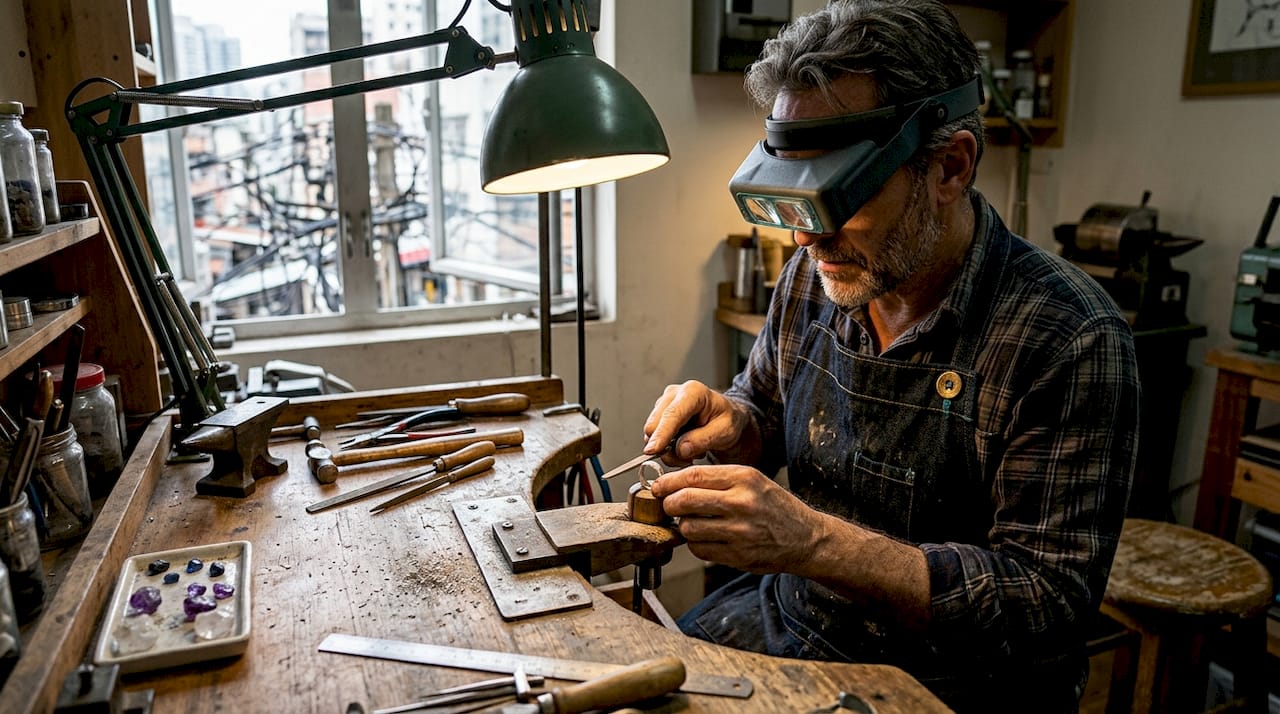
Soldering joints deserve special attention during your inspection. Expert jewelers create seamless connections where metal pieces join, leaving no visible gaps or excess solder material. Poor quality pieces often show bumpy solder lines, discoloration at joints, or even glue residue attempting to hold components together. These flaws not only look unprofessional but also compromise structural integrity, leading to breakage or stone loss over time.
Symmetry and balance separate handcrafted masterpieces from rushed production. Examine how stones align, whether prongs sit evenly, and if design elements mirror each other perfectly. A well-balanced ring feels comfortable on your finger without tilting to one side, while a quality necklace hangs straight without twisting. Following fine jewelry buying tips helps you spot these crucial details:
- Inspect all surfaces under natural daylight to reveal true polish quality
- Run your finger along edges to detect any sharp or rough areas
- Check prong tips for smooth, rounded ends rather than sharp points
- Verify clasps and closures operate smoothly without sticking
Pro Tip: Hold jewelry under direct sunlight or a bright lamp and rotate it slowly. Quality finishing produces consistent, brilliant reflections across all surfaces, while inferior work shows dull patches or inconsistent shine.
3. Authentic gemstones with certification and clarity
Genuine gemstones display distinctive visual characteristics that set them apart from synthetic or treated alternatives. Natural stones show depth and fire, with light dancing through facets in captivating ways that imitations struggle to replicate. Color saturation should appear rich and even, though natural variations and inclusions often prove authenticity rather than detract from value. Certified gemstones guarantee authenticity and quality standards in fine jewelry, providing peace of mind that your investment represents genuine material value.
Third-party certification from respected organizations like the Gemological Institute of America (GIA) or American Gem Society (AGS) offers objective verification of gemstone quality. These certificates detail the stone’s characteristics including cut, color, clarity, and carat weight, along with any treatments applied during processing. Reputable jewelers readily provide these documents, while sellers of questionable stones often avoid certification due to cost or fear of exposure.
Understanding how to identify quality gemstones involves examining multiple factors:
- Look for vibrant color that appears consistent throughout the stone
- Check clarity by viewing the stone under magnification for natural inclusions
- Verify the cut quality through symmetry and light reflection patterns
- Request disclosure of any treatments like heating or filling
| Gemstone Type | Key Quality Indicators | Certification Standards |
|---|---|---|
| Diamonds | Colorless to near-colorless, high clarity, excellent cut | GIA, AGS grading reports |
| Sapphires | Deep, saturated color, minimal inclusions, good transparency | GIA colored stone reports |
| Emeralds | Rich green hue, acceptable inclusions, good saturation | GIA, AGL certification |
| Rubies | Vivid red color, fluorescence, clarity relative to type | GIA, Gubelin reports |
Always verify the gemstone’s origin and any treatments disclosed by sellers, as these factors significantly impact both value and long-term durability of your jewelry.
4. Weight and durability tests for lasting value
The physical weight of jewelry often reveals more about quality than appearance alone. Genuine precious metal pieces possess appropriate heft relative to their size, feeling substantial in your hand without being uncomfortably heavy. This weight indicates solid construction rather than hollow forms or thin plating over base metals. Weight directly impacts jewelry durability and indicates genuine material usage, helping you distinguish investment pieces from costume jewelry.
You can perform simple tests to evaluate jewelry weight and construction. Compare similar-sized pieces to develop a sense of appropriate heft for different metals and styles. A solid gold ring feels noticeably heavier than a gold-plated alternative of the same dimensions. Sterling silver carries more weight than silver-plated brass, and this difference becomes obvious when you handle both types side by side.
Hollow or excessively light pieces often indicate lower quality construction designed to reduce material costs. While some hollow designs serve legitimate purposes in creating larger statement pieces at accessible prices, they lack the durability and longevity of solid construction. These pieces dent more easily, wear through faster, and may collapse under normal use. Following determine jewelry quality expert tips helps you assess construction integrity:
- Hold the piece and assess whether weight feels appropriate for its size
- Gently squeeze rings or bracelets to test for hollow construction that flexes easily
- Compare weight to similar pieces in different price ranges
- Be cautious of costume jewelry that feels artificially heavy from base metal cores
Beware of pieces that feel too heavy for their appearance, as some costume jewelry uses dense base metals to create a false impression of quality. True fine jewelry balances appropriate weight with comfortable wearability and expert craftsmanship.
5. Authenticity documentation, certificates, and appraisals
Professional documentation transforms jewelry from a beautiful accessory into a verified investment with traceable value. Certificates for precious metals confirm the alloy composition and purity, while gemstone reports detail the characteristics that determine market value. Certificates and appraisals are essential markers of genuine luxury jewelry and investment pieces, protecting buyers from counterfeit or misrepresented items that flood the market.
Professional appraisals go beyond basic certification by establishing current market value for insurance and resale purposes. A qualified appraiser examines your jewelry, verifies all materials and craftsmanship, and issues a detailed report describing the piece and its estimated value. This documentation proves invaluable for insurance claims, estate planning, or future sales. Reputable jewelers often include appraisals with higher-value purchases or can recommend trusted independent appraisers.
Understanding authenticity certificates and appraisals helps you request appropriate documentation:
- Ask for metal assay certificates confirming precious metal content
- Request gemstone grading reports from recognized laboratories
- Obtain professional appraisals for pieces valued over $1,000
- Keep all documentation in a safe location with photos of your jewelry
| Document Type | What It Covers | Issuing Authority |
|---|---|---|
| Metal Certificate | Precious metal purity and composition | Independent assay offices |
| Gemstone Report | Cut, color, clarity, carat weight, treatments | GIA, AGS, other gem labs |
| Appraisal | Complete description and market value | Certified appraisers |
| Origin Certificate | Gemstone source and ethical mining verification | Mine operators, trade organizations |
Always request documentation before finalizing purchases, especially for higher-end jewelry. Legitimate sellers view these requests as signs of informed buyers rather than challenges to their integrity.
Explore handcrafted fine jewelry collections at Malibu Vibes
Now that you understand the hallmarks of quality jewelry, discover pieces that embody every standard discussed in this guide. Malibu Vibes Jewelry specializes in handcrafted fine jewelry created with meticulous attention to the details that matter most to discerning buyers like you.

Every piece in our collection meets rigorous quality standards, from verified metal purity to expert finishing techniques. Explore our fine jewelry making process to see how Los Angeles-based artisans transform precious materials into wearable art. Our solid gold necklaces collection showcases the brilliant luster and lasting durability that only genuine precious metals deliver. For those seeking the ultimate in luxury and sparkle, our diamond jewelry collection features certified stones set with the expert craftsmanship you deserve. Each purchase includes proper documentation and our commitment to transparency about materials, sourcing, and construction methods. Connect with our team for personalized guidance in selecting pieces that match all seven quality criteria while perfectly expressing your unique style.
Frequently asked questions
What are the most reliable hallmark stamps to look for on fine jewelry?
Common marks include 14k or 585 for 14-karat gold, 18k or 750 for 18-karat gold, and 925 for sterling silver. These stamps indicate the precious metal content and authenticity of your jewelry. Always verify that hallmarks appear crisp and professionally applied rather than hand-etched or blurry, which may signal counterfeit pieces.
How can I verify if a gemstone is natural or synthetic?
Check for third-party certificates from recognized laboratories like GIA or AGS that detail the stone’s characteristics and origin. Natural gemstones typically show slight inclusions visible under magnification, while synthetics often appear too perfect. Look for vivid color, good clarity, and request disclosure of any treatments like heating or filling that affect value and durability.
Is heavier jewelry always higher quality?
Weight often correlates with solid precious metal construction, but beware of artificially heavy costume pieces made from dense base metals. True quality combines appropriate weight for the materials used with comfortable wearability and expert craftsmanship. A piece should feel substantial without being uncomfortably heavy, and the weight should match expectations for the stated metal type and design.
Why are certificates and appraisals important when buying fine jewelry?
They serve as proof of authenticity, material quality, and current market value for your investment. Certificates verify metal purity and gemstone characteristics through objective third-party testing. Appraisals protect you from counterfeit or misrepresented items while providing essential documentation for insurance coverage, estate planning, and potential resale.
How can I tell if jewelry finishing is high quality?
Examine the piece under natural light for smooth, mirror-like surfaces without rough edges, file marks, or scratches. Check soldering joints for seamless connections with no visible gaps or excess material. Quality finishing produces consistent, brilliant reflections across all surfaces, while inferior work shows dull patches or uneven polish that detracts from the overall beauty and value.
Recommended
- 7 Types of Fine Jewelry Every Woman Should Know – Malibu Vibes Jewelry
- 7 Types of Gold Jewelry Every Woman Should Know – Malibu Vibes Jewelry
- 7 Key Benefits of Gold Jewelry Every Woman Should Know – Malibu Vibes Jewelry
- 7 Everyday Jewelry Essentials Every Woman Should Own – Malibu Vibes Jewelry
- 7 Types of Lipsticks Every Woman Should Know – Luméra Cosmetica