

TL;DR:
- Fine jewelry is made from solid precious metals and authentic gemstones, verified by hallmark stamps. It is designed to last decades through repair and resizing, unlike plated or costume jewelry. Choosing genuine material and craftsmanship ensures longevity, value, and personal significance.
Fine jewelry is defined as any piece made from solid precious metals and set with authentic gemstones, meeting established purity standards that guarantee durability and lasting value. The term “fine jewelry” is the recognized industry classification for this category. Understanding what does fine jewelry mean goes beyond price tags or brand names. It comes down to material composition, construction quality, and the ability to repair and wear a piece for decades. Hallmark stamps like 585, 750, and 925 are the official verification system buyers rely on to confirm they are purchasing genuine fine jewelry.
What does fine jewelry mean in terms of materials and craftsmanship?
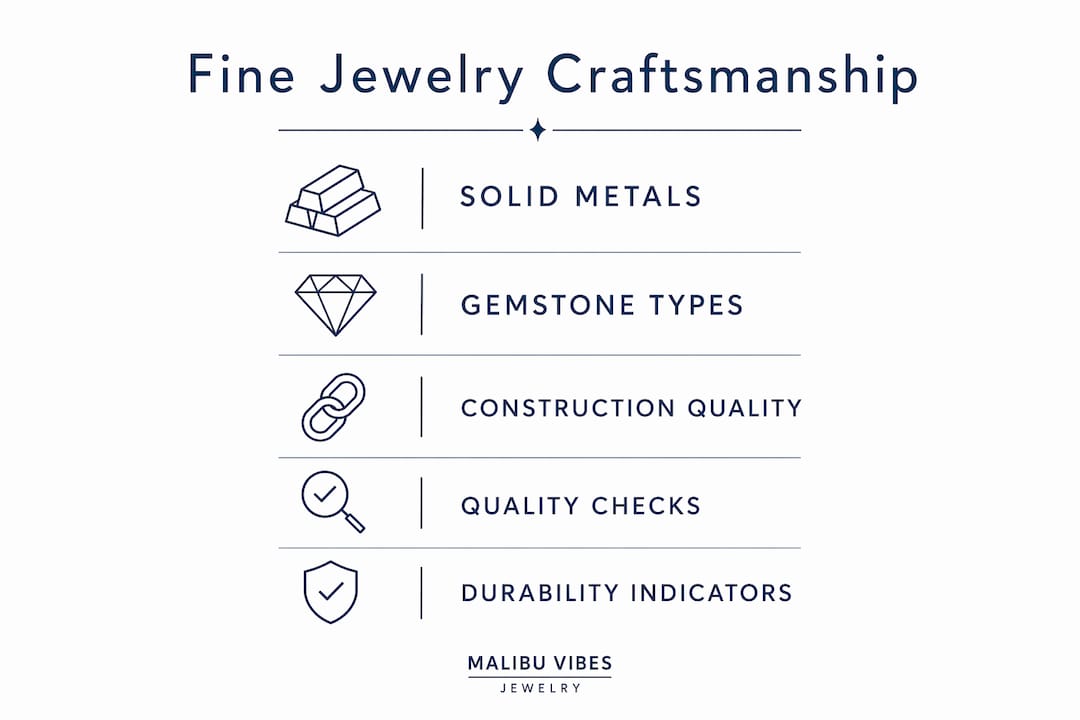
Fine jewelry starts with solid precious metals: gold at a minimum of 10K (41.7% purity), sterling silver at 925 (92.5% pure silver), and platinum at 950 (95% pure platinum). These are not decorative thresholds. They represent the minimum material quality that allows a piece to be polished, resized, and repaired without structural failure.
Gold purity levels carry their own language. 10K gold is the entry point for fine jewelry in the United States. 14K gold (stamped 585) contains 58.5% pure gold and is the most popular choice for everyday wear. 18K gold (stamped 750) contains 75% pure gold and carries a richer color. Each step up in purity affects both value and softness, so buyers balance aesthetics with wearability.
Gemstones in fine jewelry are natural or lab-grown stones, not synthetic imitations or glass. Natural diamonds, rubies, sapphires, and emeralds are the classic examples. Lab-grown stones carry the same chemical and physical properties as their mined counterparts. What disqualifies a stone from fine jewelry status is being a simulant, such as cubic zirconia or glass, which only mimics the appearance without the underlying composition.
Construction method separates fine jewelry from everything else. Solid metal construction means the entire piece is made from the precious metal, not a base metal core with a thin coating. Plated jewelry, including gold-filled and vermeil, uses a base metal underneath. Plating wears through over time and cannot be repaired or resized the same way solid metal can.
Pro Tip: Ask your jeweler to show you the hallmark stamp before purchasing. A reputable seller will always point it out without hesitation.
Craftsmanship indicators in fine jewelry include secure stone settings, smooth polishing on all surfaces, and consistent metal thickness throughout the piece. These details matter because they determine how long a piece holds up under daily wear. A well-made fine jewelry piece from Malibuvibesjewelry, for example, is built to be resized and polished years after purchase without losing its original appearance.
How can you identify and verify if a piece is fine jewelry?
Hallmark stamps are the most reliable way to verify fine jewelry. Standard hallmarks include 585 for 14K gold, 750 for 18K gold, 925 for sterling silver, and PLAT or PT950 for platinum. These stamps appear on the inner band of rings, the clasp of necklaces, or the post of earrings. They are not decorative. They are legal guarantees of metal composition in many countries.
Physical tests give buyers a quick first read before examining stamps:
- Weight test. Fine jewelry feels noticeably heavier than costume pieces of the same size. Precious metals are dense. A lightweight ring or necklace is a strong signal of base metal construction.
- Magnet test. Hold a magnet near the piece. Fine jewelry resists magnets because gold, silver, and platinum are non-magnetic. A piece that clings to a magnet contains iron or other base metals.
- Skin reaction test. Wear the piece for a few hours. Fine jewelry metals are chemically stable and do not react with skin oils. Green or black marks on your skin indicate base metals reacting with your body chemistry.
- Visual inspection. Look for worn edges, color inconsistencies, or patches where a different metal shows through. These are signs of plating wearing away.
- Stamp verification. Use a jeweler’s loupe or magnifying glass to read the hallmark. If no stamp exists, ask for documentation of metal content.
Pro Tip: When buying online, request a close-up photo of the hallmark stamp. Any reputable fine jewelry retailer will provide this without delay.
Durability is another distinguishing factor. Fine jewelry maintains structural integrity through decades of wear, polishing, and resizing. Fashion jewelry made with base metals corrodes, fades, and cannot be professionally repaired. The difference shows up most clearly after two to three years of regular wear.
What are the main differences between fine jewelry, demi-fine, and fashion jewelry?
The three jewelry categories differ primarily in material composition, construction, and long-term performance. Understanding these differences helps buyers make informed decisions based on budget, intended use, and expected lifespan.
| Category | Metal composition | Gemstones | Durability | Repairability |
|---|---|---|---|---|
| Fine jewelry | Solid precious metals (10K+ gold, 925 silver, 950 platinum) | Natural or lab-grown | Decades with proper care | Fully resizable and repairable |
| Demi-fine jewelry | Gold vermeil or gold-filled over silver or base metal | Natural, lab-grown, or synthetic | Several years depending on wear | Limited due to plating |
| Fashion jewelry | Base metals (brass, copper, zinc alloy) | Synthetic or glass simulants | Months to a few years | Not repairable |
Demi-fine jewelry occupies a middle ground. Vermeil, for instance, is genuine gold plated over sterling silver. It uses real materials but the layered construction limits its lifespan compared to solid metal. The gold layer wears through with regular use, and replating is possible but changes the piece’s character over time.
Fashion jewelry, also called costume jewelry, uses base metals and synthetic or glass stones. It serves a clear purpose: affordable, trend-driven pieces for short-term wear. The difference between fine and costume jewelry is not just price. It is the fundamental material composition and what that means for how long the piece lasts and what it does to your skin.
One point buyers often miss: the word “fine” in fine jewelry is a material classification, not a quality grade for craftsmanship. Most brand-marketed fine jewelry is standardized production. “High jewelry” or “haute joaillerie” is the separate category that describes hand-crafted, one-of-a-kind pieces with exceptional complexity. Fine jewelry sits between fashion jewelry and high jewelry on the spectrum.
Why choose fine jewelry? Benefits, value, and longevity explained
Fine jewelry holds its value in ways fashion jewelry cannot. The intrinsic material value of gold, silver, and platinum means a piece can be resold or melted down and retain worth tied to the metal market. Fashion jewelry has no such floor. When a fashion piece goes out of style, its value drops to near zero.
The practical benefits of fine jewelry include:
- Chemical stability. Fine jewelry metals resist oxidation and do not react with skin oils, sweat, or perfume. This prevents the green skin discoloration and rashes that base metals cause.
- Heirloom potential. Solid metal construction means a piece can be passed down through generations. A 14K gold ring from the 1970s can be resized, polished, and worn today without losing structural integrity.
- Repairability. Prongs can be retipped, clasps replaced, and stones reset in fine jewelry. Fashion jewelry is discarded when it breaks.
- Comfort. Fine jewelry sits comfortably against skin without causing reactions, making it suitable for all-day wear including during exercise and sleep.
- Aesthetic longevity. Classic designs in precious metals do not go out of style the way trend-driven fashion pieces do.
Fine jewelry also carries emotional weight that mass-produced pieces rarely achieve. A well-crafted piece becomes part of personal history. Engagement rings, anniversary gifts, and milestone purchases in fine jewelry carry meaning that compounds over time. That combination of material value and personal significance is what makes fine jewelry a genuinely different category from everything else on the market.
Key Takeaways
Fine jewelry is defined by solid precious metals and authentic gemstones, verified by hallmark stamps, and built to last decades through polishing, resizing, and repair.
| Point | Details |
|---|---|
| Material standards | Fine jewelry requires solid precious metals: 10K+ gold, 925 sterling silver, or 950 platinum. |
| Hallmark verification | Stamps like 585, 750, 925, and PLAT confirm metal purity and are the most reliable authenticity check. |
| Construction matters | Solid metal construction enables repair and resizing; plated pieces cannot match this longevity. |
| Category distinctions | Fine, demi-fine, and fashion jewelry differ in metal composition, durability, and repairability. |
| Long-term value | Fine jewelry retains intrinsic material value and can be resold, inherited, or repurposed. |
“Fine” does not mean what most people think it does
Most buyers assume “fine jewelry” means luxury, exclusivity, or artisanal craftsmanship. That assumption leads to overpaying for branded pieces that meet only the minimum material threshold. The word “fine” is a material classification. A $200 sterling silver ring from a small studio and a $2,000 ring from a department store brand can both qualify as fine jewelry if they use the same metal purity.
What I find most useful is shifting the question from “Is this fine jewelry?” to “What exactly is this made from?” Ask for the hallmark stamp. Ask whether the stones are natural, lab-grown, or simulants. Ask whether the piece can be resized. Those three questions tell you everything the marketing copy will not.
The buyers who get the most satisfaction from fine jewelry are the ones who prioritize material authenticity over brand recognition. A solid 14K gold ring with a genuine gemstone from a craftsman you trust will outlast and outperform a plated piece from a famous name every time. Malibuvibesjewelry’s approach, with its Los Angeles-based production and focus on quality gemstone identification, reflects exactly this philosophy. Buy the material, not the logo.
— Ara
Malibuvibesjewelry’s approach to fine jewelry craftsmanship
Malibuvibesjewelry builds every piece from solid 14K gold, sterling silver, and genuine gemstones, the same material standards that define fine jewelry at the industry level. Each piece is designed for everyday wear and long-term ownership, not seasonal trends.

The fine jewelry making process at Malibuvibesjewelry reflects a commitment to construction quality: secure settings, consistent metal thickness, and finishes that hold up through years of wear. Buyers can browse solid gold necklaces, diamond earrings, and sterling silver collections that meet the material standards covered in this article. Every piece comes with the hallmark verification that separates genuine fine jewelry from everything else.
FAQ
What is the fine jewelry definition in simple terms?
Fine jewelry is any piece made from solid precious metals (gold, silver, or platinum) and set with natural or lab-grown gemstones. It meets minimum purity standards and is built to last decades with proper care.
What hallmark stamps should I look for on fine jewelry?
Look for 585 (14K gold), 750 (18K gold), 925 (sterling silver), or PLAT/PT950 (platinum). These stamps confirm the metal’s purity and are the most reliable way to verify a piece is genuine fine jewelry.
What is the difference between fine and costume jewelry?
Fine jewelry uses solid precious metals and authentic gemstones, while costume jewelry uses base metals and synthetic or glass stones. Fine jewelry lasts decades and can be repaired; costume jewelry typically lasts months to a few years.
Does fine jewelry include lab-grown gemstones?
Yes. Lab-grown gemstones share the same chemical and physical properties as natural stones and qualify as authentic gemstones in fine jewelry. Simulants like cubic zirconia do not qualify.
Can fine jewelry cause skin reactions?
Fine jewelry metals are chemically stable and resist reacting with skin oils, which means they do not cause the green discoloration or rashes associated with base metals in fashion jewelry.
Recommended
- How to Buy Fine Jewelry Online: A 2026 Buyer’s Guide – Malibu Vibes Jewelry
- What is Fine Jewelry? Understanding Luxury and Craftsmanship – Malibu Vibes Jewelry
- Complete Guide to Why Invest in Fine Jewelry – Malibu Vibes Jewelry
- Why fine jewelry gifts: meaningful luxury for every occasion – Malibu Vibes Jewelry