

TL;DR:
- Buying gold jewelry requires verifying purity through hallmarks like “585” for 14k, understanding construction type, and assessing craftsmanship for durability.
- Online or in-store, examining hallmark clarity, weight, and return policies helps ensure a lasting, authentic purchase.
Buying gold jewelry means evaluating purity, weight, construction, and seller credibility before spending a dollar. The industry term for this process is fine jewelry due diligence, and it separates buyers who walk away satisfied from those who overpay for pieces that tarnish, break, or disappoint. Brands like Tiffany & Co. built their reputations partly on making these standards visible and consistent. For everyone else shopping the broader market, including online boutiques and independent retailers, knowing how to read a hallmark stamp and assess construction quality is the difference between a lasting purchase and a regrettable one.
What does gold purity mean and why does it matter?
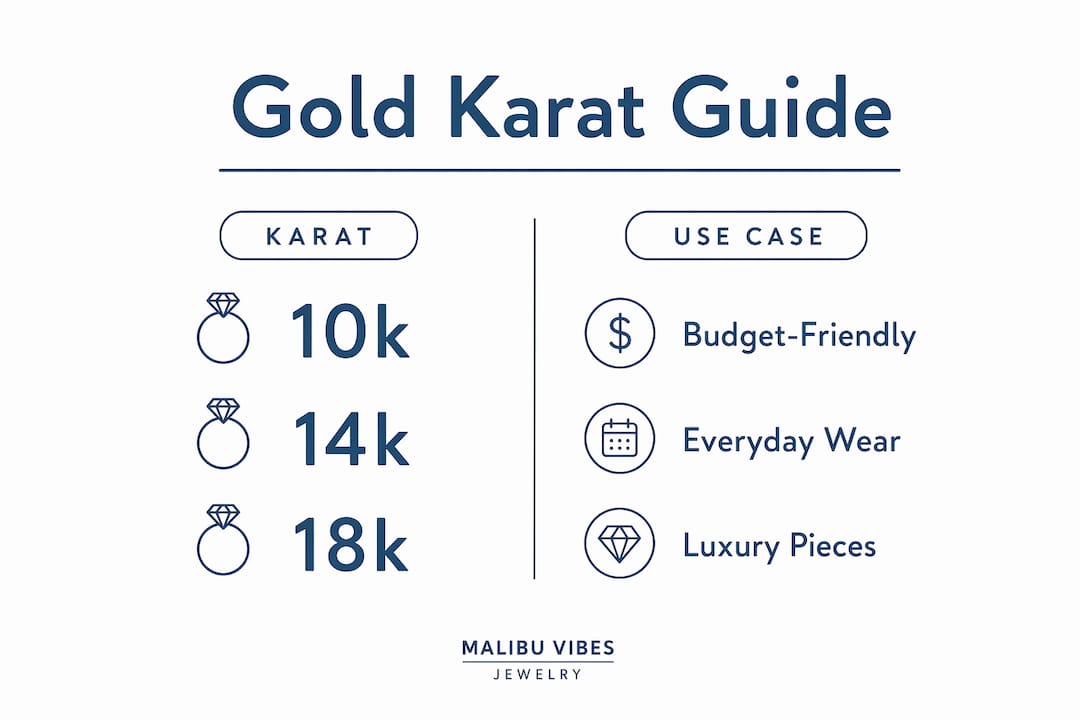
Gold purity is the single most important factor in buying gold jewelry, and it is measured in karats. The standard purity marks are 10k (41.7% gold), 14k (58.3% gold), 18k (75% gold), and 24k (99.9% gold). Higher karat means more gold content, richer color, and a softer metal. Lower karat means more alloy metals mixed in, which increases hardness and durability.
For everyday rings, bracelets, and necklaces, 14k gold is the practical standard. It holds up against daily wear, resists scratching better than 18k, and costs less per gram. For special occasion pieces like engagement rings or anniversary gifts where color depth matters more than toughness, 18k delivers a warmer, more saturated gold tone. You can read a detailed breakdown of 14k vs. 18k differences to decide which suits your purpose.
Hallmarks confirm what the seller claims. Common numeric stamps include “585” for 14k, “750” for 18k, and “417” for 10k. The absence of clear hallmarks is a direct red flag, whether you are shopping in a boutique or scrolling through an online store. Reputable sellers always photograph hallmarks clearly in product listings or display them on request in person.
| Karat | Gold content | Best use case |
|---|---|---|
| 10k | 41.7% | Budget-friendly everyday pieces |
| 14k | 58.3% | Daily wear rings, necklaces, bracelets |
| 18k | 75% | Special occasion and heirloom jewelry |
| 24k | 99.9% | Bullion and decorative pieces, not wearable jewelry |
Pro Tip: When buying gold rings or necklaces online, zoom into product photos specifically to find the hallmark stamp. If the listing does not show one, ask the seller directly before purchasing.
Understanding karat also helps you recognize the difference between gold karats when comparing prices across retailers. A 10k piece priced similarly to an 18k piece is not a bargain. It contains less than half the gold content.
How do weight and construction type affect value?
Gold jewelry value depends on both gram weight and how the piece is physically built. Experienced buyers always verify gram weight and construction before committing to a purchase, because two pieces that look identical can differ dramatically in actual gold content.
Construction falls into three main categories:
- Solid gold: The entire piece is made from the stated karat alloy throughout. This is the most durable and valuable construction type. Solid 14k gold necklaces and rings will outlast hollow alternatives by years under regular wear.
- Hollow gold: The piece has an outer shell of gold with empty space inside. It looks substantial and feels lighter than expected. Hollow pieces cost less but are more prone to denting and crushing.
- Semi-solid gold: A middle ground where some sections are solid and others are hollow or filled. Common in chain necklaces where links alternate in construction.
The practical implication is significant. A hollow gold bracelet weighing 5 grams contains far less actual gold than a solid bracelet of the same visual size. Hollow pieces appear heavy but contain less gold, which affects both the price you should pay and how long the piece will last. Always ask for the exact gram weight in the product description or from the seller directly.
| Construction type | Gold content | Durability | Price point |
|---|---|---|---|
| Solid | Highest | Excellent | Premium |
| Semi-solid | Moderate | Good | Mid-range |
| Hollow | Lowest | Lower | Budget |
Weight measurement in gold jewelry uses grams as the standard unit. When comparing prices across sellers, calculate the cost per gram of gold content by multiplying the gram weight by the karat percentage, then compare that figure against the current spot price of gold. This tells you how much you are paying for the metal itself versus design and labor.
Why does craftsmanship matter beyond the gold content?
Craftsmanship determines whether a piece holds together for years or falls apart within months. Good craftsmanship is evidenced by clean soldering at joints, smooth edges with no sharp burrs, secure clasps that open and close firmly, and balanced symmetry across the design. Poor workmanship creates weak points that crack, snag clothing, or cause clasps to fail.
When shopping online, craftsmanship evaluation requires reading product descriptions carefully and examining high-resolution photos from multiple angles. Look specifically for:
- Solder points at chain links or pendant attachments (they should be invisible or nearly so)
- Clasp mechanisms shown in close-up photos
- Stone settings where prongs should be even and fully pressed down
- Surface finish that appears consistent across the entire piece
Pro Tip: For buying gold necklaces specifically, request a photo of the clasp mechanism before purchasing. Lobster clasps and spring ring clasps are the most reliable. Box clasps on heavier necklaces should have a safety latch.
Design also affects price in ways that go beyond raw gold content. A hand-engraved pendant or a pavé-set diamond ring requires skilled labor hours that a plain band does not. This is legitimate added value. The issue arises when design complexity is used to obscure poor construction underneath. A beautifully styled piece with weak solder joints is still a poorly made piece. Malibuvibesjewelry addresses this directly through its Los Angeles-based production model, where each piece is crafted with attention to both aesthetic detail and structural integrity.
What should you check when buying gold jewelry online vs. in-store?
The channel you choose shapes what you can verify before buying. Both online and in-store purchases have distinct advantages, and the best buyers use each channel strategically.
Buying online gives you access to a wider selection, easier price comparison across sellers, and the ability to research a piece thoroughly before committing. Online shopping for gold jewelry offers broader choice and price competition, but it requires careful examination of hallmark photos, return policies, and seller reputation. The inability to physically handle a piece is the core limitation.
Here is a numbered checklist for online gold jewelry purchases:
- Confirm the hallmark stamp is visible in product photos or request a photo directly from the seller.
- Read the return policy in full. Professional sellers offer at least a 3-day return window with clear terms on restocking fees and exceptions for personalized items.
- Check whether the listing states exact gram weight and construction type (solid, hollow, or semi-solid).
- Verify that shipping is insured. Gold jewelry lost in transit without insurance is a loss the buyer typically absorbs.
- Review seller ratings and look specifically for reviews that mention quality on arrival, not just shipping speed.
Buying in-store lets you inspect the piece directly, feel the weight, examine the clasp, and get personalized guidance from a sales associate. Returns are typically simpler, and you leave with the piece immediately. The trade-off is a narrower selection and less time to research pricing comparisons.
Pro Tip: Whether you shop online or in-store, always ask for a certificate of authenticity or a receipt that states the karat, gram weight, and metal type. This documentation matters if you ever need repairs, resizing, or insurance coverage.
A detailed guide on buying fine jewelry online covers additional trust signals and authentication steps worth reviewing before your first online purchase.
Key takeaways
Buying gold jewelry confidently requires verifying karat purity, construction type, craftsmanship quality, and seller return policies before any purchase.
| Point | Details |
|---|---|
| Karat determines gold content | 14k suits daily wear; 18k offers richer color for special pieces. |
| Construction type affects value | Solid gold outlasts hollow pieces and contains more actual gold per gram. |
| Hallmarks confirm authenticity | Look for stamps like “585” (14k) or “750” (18k); missing marks are a red flag. |
| Craftsmanship signals durability | Check solder joints, clasp security, and surface finish before buying. |
| Return policies signal seller trust | Reputable sellers offer at least a 3-day return window with clear written terms. |
What I’ve learned about buying gold jewelry after years in the industry
Most buyers walk into a gold jewelry purchase thinking about how it looks. That is the right instinct. Where things go wrong is when buyers also expect gold jewelry to function like a financial investment.
Retail markup on finished gold jewelry ranges from 100% to over 300%, accounting for design, labor, branding, and store overhead. This means the resale value of most pieces recovers only the melt value of the gold content, not the retail price you paid. If you buy a $600 necklace and try to sell it two years later, you will likely receive $80 to $150 based on gold weight alone. That is not a flaw in the system. It is simply how finished goods work versus raw commodities.
My honest advice: buy gold jewelry for beauty and sentiment, not as a store of value. The moment you separate those two purposes, your buying decisions become much clearer. You stop agonizing over whether 14k is “worth it” compared to 18k from a financial standpoint, and you start asking the right question: which piece will I love wearing for the next decade?
The buyers I have seen make the worst decisions are the ones chasing “cheap gold jewelry options” without understanding that a hollow 10k piece priced at $40 will look and feel like a $40 piece within six months. The buyers who walk away most satisfied spend a bit more on solid construction and verified purity from a transparent seller. That combination holds its beauty far longer than any bargain piece.
Emerging trends in 2026 are pushing more buyers toward direct-to-consumer brands with visible production stories. That transparency matters. When a brand tells you exactly where and how a piece is made, you have far more confidence in what you are buying.
— Ara
Discover Malibuvibesjewelry’s handcrafted gold collections
If you want gold jewelry where purity, construction, and craftsmanship are documented from the start, Malibuvibesjewelry is worth exploring. Every piece is produced in Los Angeles with a focus on quality over volume, and the brand’s fine jewelry making process is fully detailed so you know exactly what goes into each item before you buy.
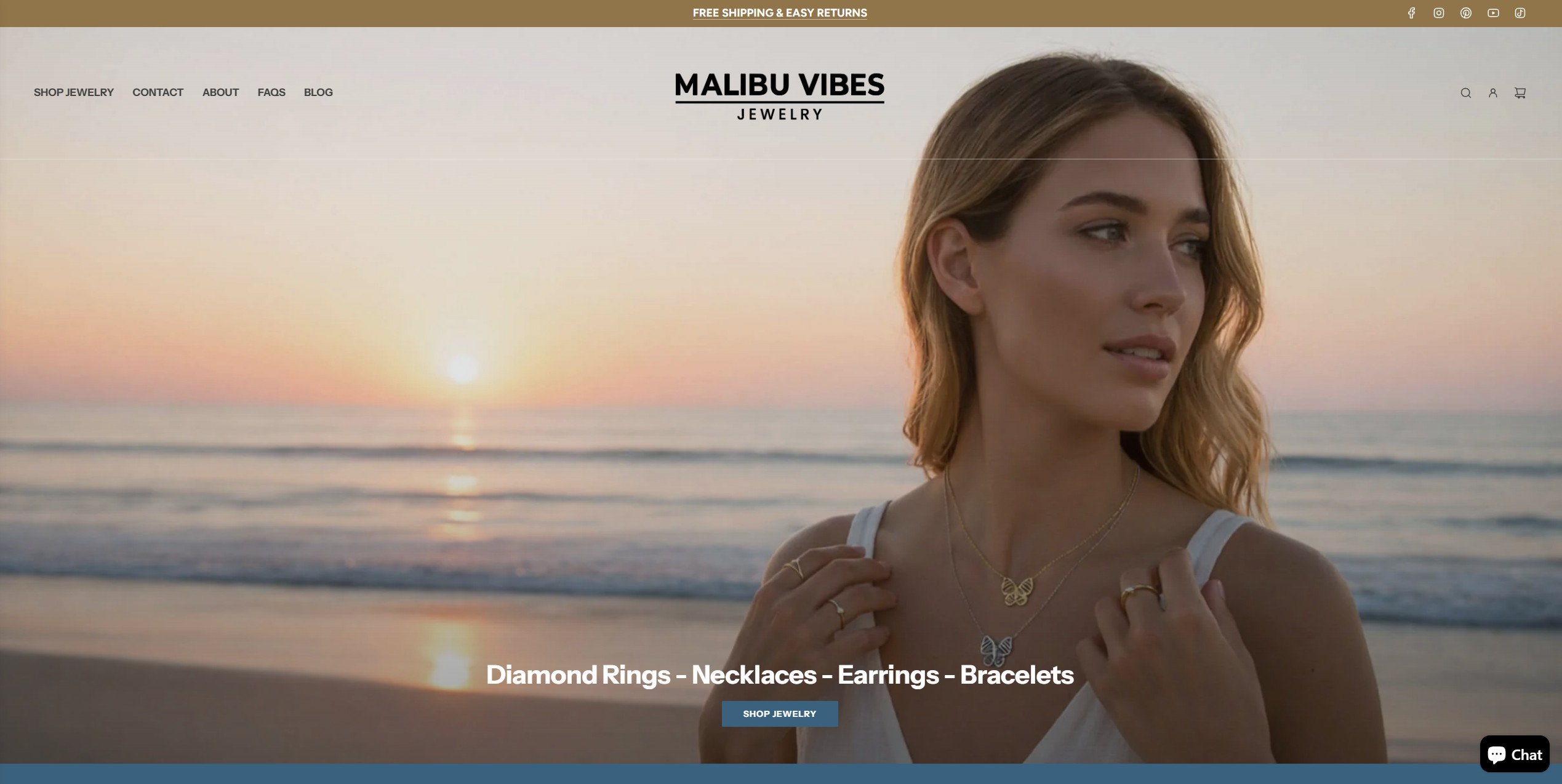
The current collections include solid gold necklaces with 20% off, and a curated selection of 14k gemstone rings that combine colored stones with verified gold construction. Free shipping is available, and product listings include the detail you need to buy with confidence: karat, gram weight, and construction type all stated clearly.
FAQ
What karat gold is best for everyday jewelry?
14k gold is the standard recommendation for daily wear because its alloy content makes it harder and more scratch-resistant than 18k or 24k. It contains 58.3% gold, which balances durability with genuine gold value.
How do I verify a gold jewelry piece is authentic?
Look for hallmark stamps such as “585” for 14k or “750” for 18k, either stamped directly on the piece or documented in the seller’s product listing. Missing or unclear hallmarks are a reliable red flag.
Is buying gold jewelry a good investment?
Gold jewelry is not a reliable financial investment because retail markups of 100% to 300% mean resale value typically returns only the melt value of the gold content. Purchase gold jewelry for personal enjoyment and sentiment rather than financial return.
What is the difference between solid and hollow gold jewelry?
Solid gold pieces are made entirely from the stated karat alloy throughout, making them more durable and valuable. Hollow pieces have a gold shell with empty space inside, which reduces both gold content and long-term durability.
What should I check before buying gold jewelry online?
Verify the hallmark stamp in product photos, confirm the exact gram weight and construction type, read the return policy in full, and check that shipping is insured. Reputable sellers provide all of this information without requiring you to ask.
Recommended
- Gold Bullion Jewelry: Investment Value and Design Guide – Malibu Vibes Jewelry
- Investment Gold Jewelry: Why Handcrafted 30% Boosts Value – Malibu Vibes Jewelry
- Gold vs Silver Jewelry: Style, Luxury & Buying Tips – Malibu Vibes Jewelry
- 7 Types of Gold Jewelry Every Woman Should Know – Malibu Vibes Jewelry