

TL;DR:
- An engagement ring pricing guide breaks down costs driven by diamond quality, setting style, and metal choice. Most couples spend between $3,000 and $6,500, but the right budget depends on personal finances rather than fixed rules. Prioritizing cut quality and considering alternative shapes can offer better value and visual impact.
An engagement ring pricing guide is a structured breakdown of the costs, variables, and decisions that determine what you will pay for a ring. Average spending in the U.S. runs from $5,200 to $6,500, though many couples spend well under $3,000. The traditional “three-month salary” rule is a marketing myth, not a financial standard. What actually drives price is a combination of diamond quality, setting style, metal choice, and a handful of costs most buyers never see coming.
What is the engagement ring pricing guide you actually need?
The industry term for evaluating ring costs is a price breakdown by cost driver, and it covers four main categories: the center stone, the setting, the metal band, and additional fees. No hard rule exists for how much to spend. GIA, the Gemological Institute of America, is the most authoritative source on diamond grading and ring pricing, and their guidance is clear: spend what fits your financial life, not a formula.
The four cost drivers interact with each other. A large diamond in a simple solitaire setting can cost less than a smaller diamond in a pavé halo with a platinum band. Understanding each variable separately gives you real control over the final number.
What are the main factors that determine engagement ring price?
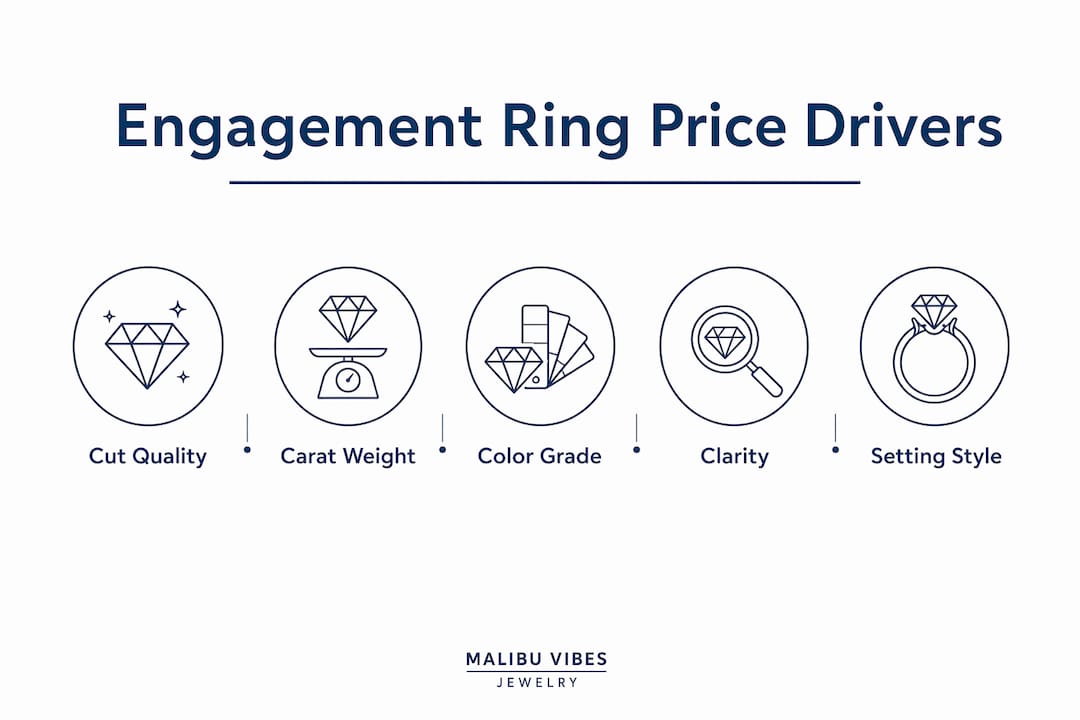
The center stone accounts for the largest share of most ring budgets. GIA grades diamonds on four characteristics, collectively called the 4Cs: cut, color, clarity, and carat. Cut has the biggest visual impact. A well-cut diamond reflects light brilliantly even at a smaller carat weight, which means you can spend less on size and more on sparkle.
How the 4Cs affect your budget
- Cut: The most important of the four. Excellent or Ideal cut grades cost more but deliver noticeably better light performance.
- Color: Diamonds are graded D (colorless) through Z (light yellow). The D–F range commands a premium. G–H grades appear nearly colorless to the naked eye and cost significantly less.
- Clarity: Flawless diamonds are rare and expensive. VS1–VS2 (very slightly included) grades are eye-clean and far more affordable.
- Carat: Price jumps sharply at round numbers. A 0.9-carat diamond costs meaningfully less than a 1.0-carat stone with identical grades.
Setting style adds cost beyond the stone. A classic solitaire uses minimal metal and labor, keeping costs lower. A pavé setting lines the band with small accent diamonds, adding both material and craftsmanship costs. A halo setting surrounds the center stone with a ring of smaller diamonds, which increases visual size but also price. You can read more about how halo settings work before committing to a style.
Design details like engraving, milgrain edges, and filigree work add labor costs that are easy to overlook. Resizing fees and rush order charges are also real expenses. Budget for them before you shop, not after.
Pro Tip: Choose your cut grade first, then work backward through color and clarity. A well-cut G/VS2 diamond looks better in person than a poorly cut D/FL stone at twice the price.
How much do different diamond shapes and settings typically cost?
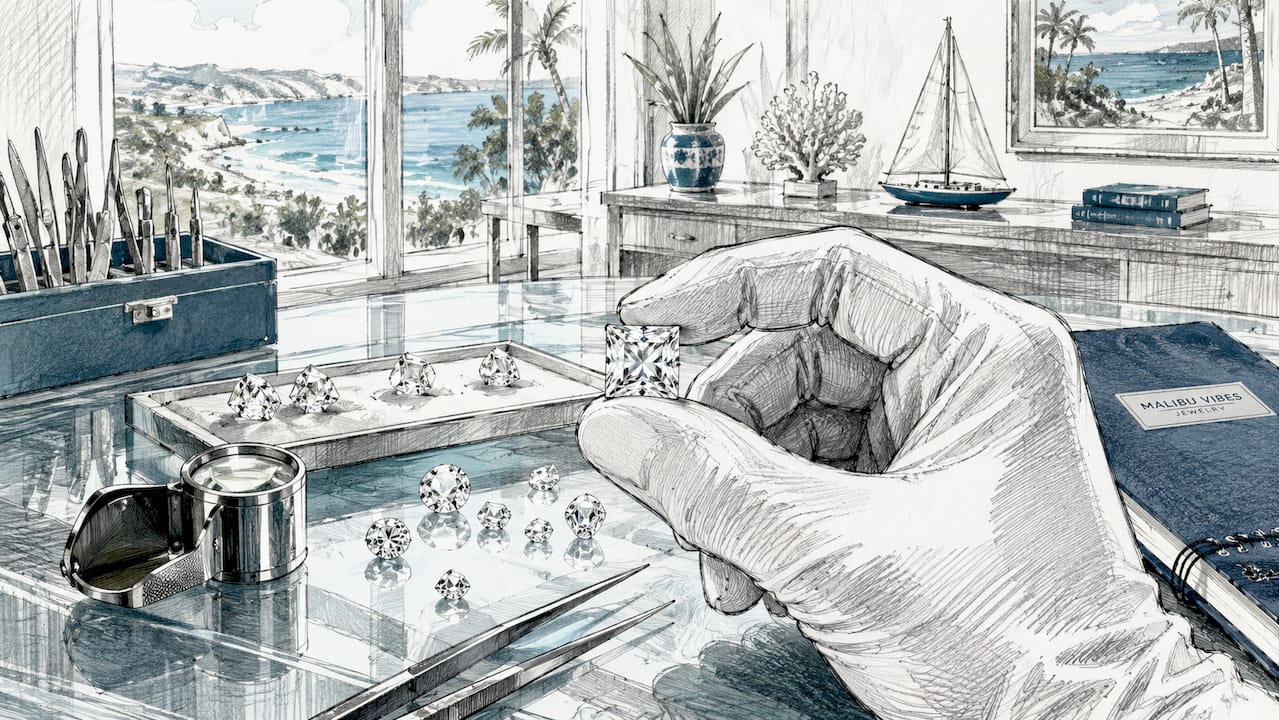
Diamond shape is one of the most direct levers on price. Round brilliant cuts cost more than any other shape because cutting a round diamond wastes more of the rough stone. That waste gets priced into the final cost. Fancy shapes, by contrast, use more of the rough and carry a lower price per carat.
| Shape | Relative cost | Visual character |
|---|---|---|
| Round brilliant | Highest | Maximum brilliance, classic look |
| Princess (square) | Moderate | Sharp corners, modern feel |
| Cushion | Moderate | Soft edges, vintage appeal |
| Oval | Moderate to high | Elongates the finger, very popular |
| Pear | Lower to moderate | Unique silhouette, good value |
| Emerald | Lower | Step-cut facets, elegant and minimal |
For settings, the price range spreads considerably based on complexity.
- Solitaire: One center stone, minimal metal, lowest labor cost. The most budget-friendly setting style.
- Side-stone: Adds smaller diamonds flanking the center stone. Moderate cost increase.
- Pavé: Small diamonds set closely along the band. Higher material and labor costs.
- Halo: A ring of accent diamonds around the center stone. Increases perceived size and total price.
Couples who want visual impact without a large center stone often get the best value from an oval or cushion cut in a halo setting. The combination delivers size and sparkle at a lower per-carat cost than a round solitaire. For a full comparison of diamond cut styles, the shape differences go well beyond price.
How does metal choice impact engagement ring cost?
Platinum is the most expensive band metal. It is denser and rarer than gold, and it requires more labor to work with. A platinum setting typically adds several hundred dollars to the total cost compared to a gold alternative. Platinum also develops a natural patina over time, which some buyers love and others prefer to avoid.
Gold pricing has shifted dramatically in recent years. Gold traded at $4,700 per ounce in may 2026, which has raised setting costs by 40–50% over two years. That increase is material. A ring that cost $1,200 to set in 18K gold two years ago may now cost $1,600 or more for the same design.
Gold options and their price differences
- 18K gold: 75% pure gold. Richer color, slightly softer, and more expensive than 14K.
- 14K gold: 58.3% pure gold. More durable, slightly less vibrant, and the most popular choice in the U.S. for its balance of quality and cost.
- 10K gold: 41.7% pure gold. The most affordable gold option, but noticeably less lustrous.
- Rose gold: Available in 14K or 18K. Priced similarly to yellow or white gold at the same karat.
- White gold: Requires rhodium plating to maintain its bright finish. Factor in replating costs every few years.
Metal choice also affects long-term maintenance. Platinum scratches but does not lose metal. Gold wears down over time and may need prong retipping after years of daily wear. A buying guide for gold types covers the practical differences in detail.
What should couples budget for beyond the ring itself?
The ring price is not the total cost. Several additional expenses catch buyers off guard, and they add up faster than expected.
- Rush fees: Budget $400–$600 for expedited orders if your timeline is tight. Custom and semi-custom rings often take four to six weeks under standard production.
- Insurance: Ring insurance costs 1–2% of the appraised value annually. A $10,000 ring runs $100–$200 per year. Wexford Insurance Solutions and similar specialty insurers offer standalone jewelry policies that cover loss, theft, and damage.
- Resizing: A simple solitaire band resizes for a modest fee. Pavé and halo bands cost more to resize because the accent stones must be reset around the adjustment point.
- Custom design fees: If you work with a jeweler to create an original design, expect a design fee on top of material and labor costs.
- Sales tax: Varies by state but adds 6–10% in most U.S. markets. On a $6,000 ring, that is $360–$600 more.
Pro Tip: Get the ring appraised by an independent GIA-certified gemologist within 30 days of purchase. The appraisal document is required for insurance and gives you a verified value separate from the retail price.
Key takeaways
The most important principle in any engagement ring budget is this: the right price is the one that fits your financial life, not a salary formula or a social expectation.
| Point | Details |
|---|---|
| Average U.S. cost | Most couples spend $5,200–$6,500, but many spend under $3,000. |
| Cut drives value | Prioritize diamond cut grade above color and clarity for the best visual result per dollar. |
| Metal prices have risen | Gold settings cost 40–50% more than two years ago; factor current market rates into your budget. |
| Hidden costs are real | Insurance, resizing, rush fees, and sales tax can add $1,000 or more to the total. |
| Fancy shapes save money | Princess, cushion, and oval cuts cost less per carat than round brilliant with similar visual impact. |
Why I think most engagement ring advice misses the point
The standard advice tells you to spend two or three months of salary and pick a round solitaire. That advice was created by a diamond marketing campaign in the 1930s, and it has no basis in what actually makes a ring meaningful or financially sound.
What I have seen work, time and again, is couples who start with a number they can genuinely afford and then work backward through the variables. They choose a shape that flatters the hand rather than one that ranks highest in resale value. They pick a setting that matches the wearer’s lifestyle, not the most elaborate option in the case. And they account for insurance and resizing before they finalize the budget, not after.
The couples who regret their purchase almost always made one of two mistakes. They overspent to meet an imaginary standard and felt the financial pressure for years. Or they underspent on cut quality and ended up with a dull stone in a beautiful setting. Cut is the one place where spending more is almost always worth it.
Modern engagement ring styles have expanded well beyond the traditional round solitaire. Alternative stones like sapphires, morganite, and lab-grown diamonds offer genuine beauty at a fraction of the cost of a natural round brilliant. The “right” ring is the one the wearer loves and the buyer can afford without stress.
— Ara
Fine jewelry worth the investment, made in Los Angeles
Malibuvibesjewelry handcrafts fine jewelry from 14K gold, 18K gold, and sterling silver, with diamonds and gemstones set by skilled artisans in Los Angeles. Every piece is built to last, not to trend.
For couples who want to understand exactly how a ring goes from concept to finished piece, the fine jewelry making process at Malibuvibesjewelry is worth reading before you buy. The brand’s 14K gold diamond rings collection covers a range of styles and price points, from clean solitaires to detailed pavé designs. Quality and transparency are built into every step.
FAQ
How much do engagement rings cost on average?
The average engagement ring cost in the U.S. ranges from $5,200 to $6,500, with many couples spending under $3,000. The right amount depends on your financial situation, not a salary-based formula.
What is the biggest factor in engagement ring pricing?
The center stone’s cut, color, clarity, and carat weight drive the largest share of the price. Cut quality has the most visible impact and is the variable worth prioritizing first.
Is platinum or gold better for an engagement ring band?
Platinum is more durable and more expensive. Gold in 14K or 18K is more affordable and widely available in yellow, white, and rose finishes. With gold at record highs in 2026, the price gap between gold and platinum has narrowed.
What hidden costs should I budget for?
Insurance runs 1–2% of the ring’s value per year, resizing costs vary by setting complexity, and rush fees can add $400–$600 for expedited orders. Sales tax adds another 6–10% depending on your state.
Are fancy-shaped diamonds a good value?
Yes. Princess, cushion, and oval cuts cost less per carat than round brilliant diamonds and offer distinctive looks. Oval cuts in particular have surged in popularity because they elongate the finger and deliver strong brilliance at a lower price point.
Recommended
- Types of Ring for Engagement: Your 2026 Style Guide – Malibu Vibes Jewelry
- Engagement Ring Styles List: Your 2026 Style Guide – Malibu Vibes Jewelry
- Types of Gold Engagement Rings: Your 2026 Buying Guide – Malibu Vibes Jewelry
- Gold Wedding Rings: Your 2026 Style and Buying Guide – Malibu Vibes Jewelry